












Reducing Maintenance Downtime: Why a High-Quality Large O-Ring Kit is Your Best Investment
In the high-stakes world of heavy industry, a ten-dollar seal can cause a ten-thousand-dollar problem. When a critical seal on a hydraulic press or excavator fails, the clock starts ticking on lost production revenue. A comprehensive large O-ring kit is no longer just a workshop accessory; it is a strategic asset for industrial maintenance inventory management.
Quick Summary: Key Takeaways for Maintenance Managers
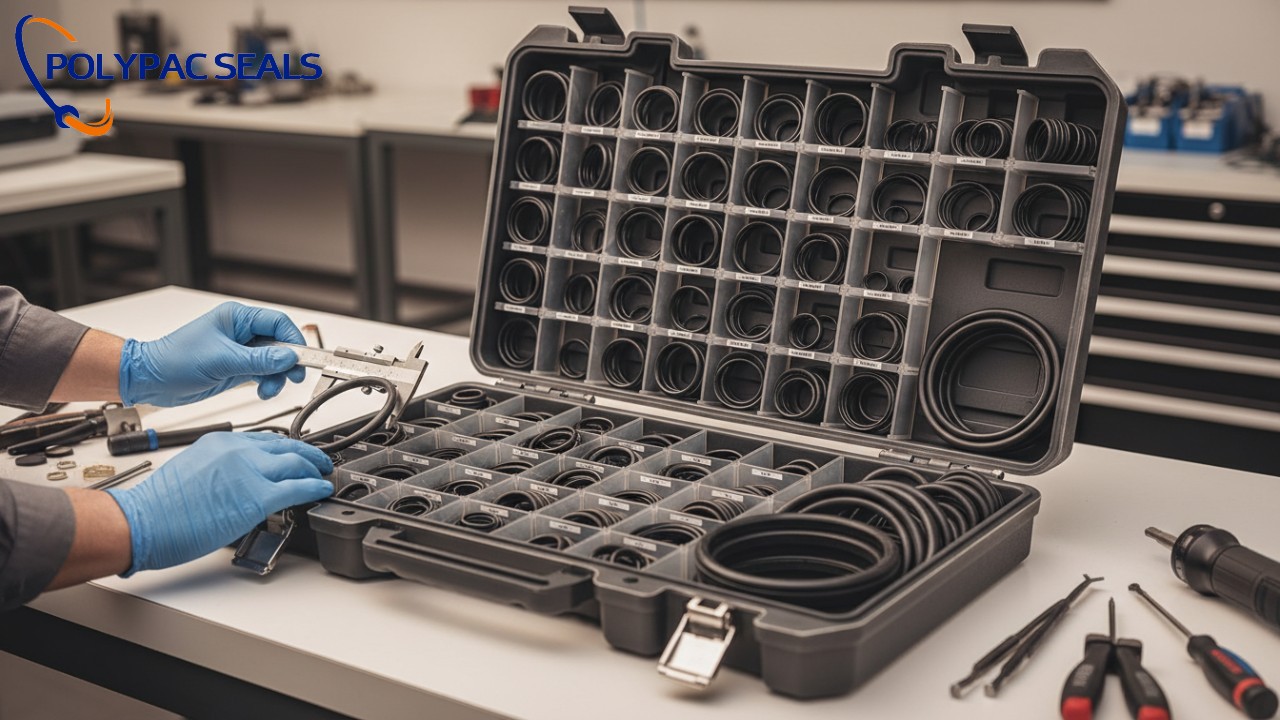
A large O-ring kit is a specialized inventory solution designed to eliminate lead times for non-standard seal replacements. Instead of waiting days for a custom order, maintenance teams can fabricate or replace large-diameter seals immediately on-site, drastically reducing machinery downtime.
For 2026, the focus has shifted from simple repair to strategic preventative maintenance. Modern kits now integrate advanced elastomer chemistries and precision splicing tools that rival factory-molded performance for static applications.
- Slash Lead Times: Eliminate the 2-5 day wait for custom large-diameter seals.
- Versatility: One kit with O-ring splicing cord stock can create seals of any diameter.
- Cost Efficiency: A single kit costs less than one hour of downtime for most heavy machinery.
- Material longevity: Understanding SAE storage standards ensures your inventory lasts for decades.
What is a Large O-Ring Kit, and Why is it Critical?
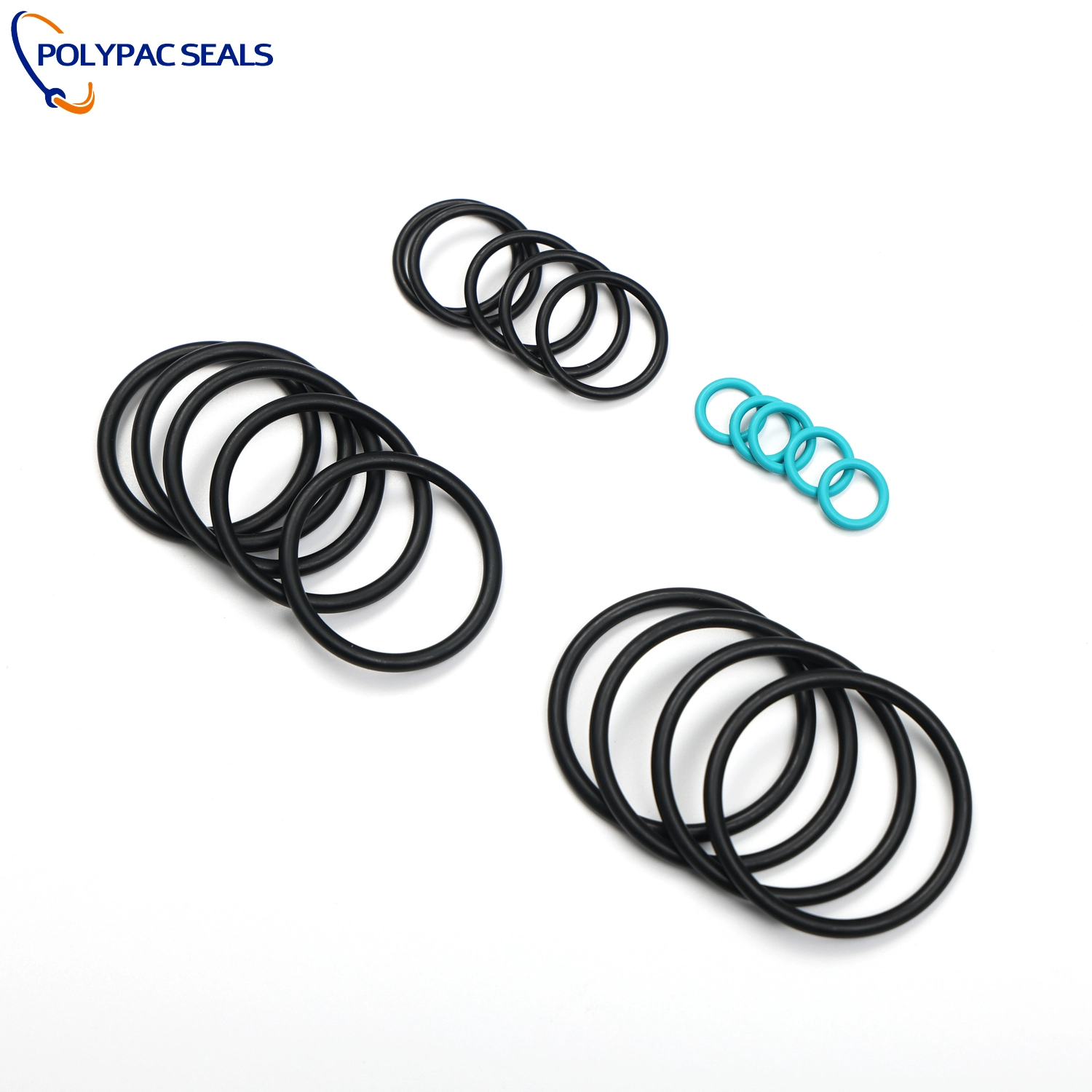
A Large O-Ring Kit is a self-contained emergency repair system containing long-length extrusion cord stock, precision splicing jigs, and industrial-grade adhesives. It allows technicians to manufacture custom O-rings on demand, specifically for sizes exceeding standard AS568 or ISO 3601 dimensions.
While standard box kits cover small rings (up to 2-3 inches), heavy industry frequently encounters flange seals and cover gaskets exceeding 10, 20, or even 50 inches in diameter. Relying on external suppliers for these sizes creates an unacceptable vulnerability in your supply chain.
For sectors like mining, oil & gas, and heavy manufacturing, these kits act as an insurance policy. Emergency hydraulic seal repair becomes a matter of minutes rather than days. Having the ability to fabricate a seal on the spot means that a blown gasket during a night shift doesn't halt production until Monday morning.
The High Cost of Idle Machinery: Calculating the ROI
The Return on Investment (ROI) of a premium O-ring kit is calculated by comparing the kit's purchase price against the aggregated cost of lost production hours. When machinery sits idle due to a missing seal, the financial bleed is immediate and severe.
According to a 2025 report by ABB, nearly 83% of industrial decision-makers estimate that unplanned downtime costs at least $10,000 per hour, with some sectors reaching as high as $500,000 per hour. In this context, a $300 splicing kit pays for itself in less than two minutes of saved downtime.
ROI Calculation Example:
- Cost of Downtime: $15,000 per hour (mid-sized manufacturing line).
- Scenario: A specialized 18-inch seal fails on a Friday afternoon.
- Option A (Order Part): 48-hour rush delivery = $720,000 in lost potential revenue.
- Option B (Use Kit): 30-minute fabrication time = $7,500 in lost revenue.
- Net Savings: $712,500 by having the right inventory on hand.
Splicing Kits vs. Pre-Molded Inventories: Which Do You Need?
Splicing kits are the superior choice for static face seals and non-standard large diameters, while pre-molded inventories are required for high-pressure dynamic applications. Understanding the physical limitations of a spliced joint is critical for safety and performance.
When managing heavy machinery seal replacement, you must distinguish between "get it running" and "permanent high-performance solution."
Splicing Kits (The Versatile Choice)
These are best for static applications, such as flanges, tank lids, and gearboxes, where the seal does not move relative to the mating surface.
- Pros: Infinite size range; immediate availability; lower inventory cost.
- Cons: Not recommended for high-pressure dynamic rods or pistons.
- Best Use Case: Emergency repair of large enclosure seals.
Pre-Molded Large Kits (The Performance Choice)
These seals are manufactured in a continuous mold, offering uniform tensile strength throughout the ring.
- Pros: High pressure rating; no weak points (joints); suitable for dynamic pistons.
- Cons: Fixed sizes only; expensive to stock every possible diameter.
- Best Use Case: Planned maintenance of hydraulic cylinders.
Anatomy of a High-Quality Kit: Essential Components
A professional-grade kit must include precision-extruded cord stock with consistent cross-section tolerances and cyanoacrylate adhesives specifically formulated for elastomers. Cheap kits often fail because the cord diameter varies, leading to leaks even with a perfect splice.
At Polypac Industrial Technology Co., Ltd., we leverage over 10,000 square meters of production space to manufacture cord stock that rivals the precision of molded parts. Since 2008, we have refined our extrusion processes to ensure that when you cut a cord, the cross-section is perfectly round, not oval.
Look for these components:
- Premium Cord Stock: Nitrile (70A) and Viton (75A) are the industry standards. Ensure the surface finish is smooth to prevent micro-leakage.
- Splicing Jig: A guide block that holds the cord firmly to ensure a 90-degree or 45-degree razor cut. Freehand cutting is the leading cause of joint failure.
- Rapid-Set Adhesive: Industrial cyanoacrylates that cure in seconds but retain slight flexibility to match the rubber's modulus.
- Cleanup Tools: A sharp razor and an abrasive pad to prepare the cord ends for bonding.
Expert Tips: Installation and Storage Best Practices
To ensure a leak-free spliced seal, the cut ends must be perfectly square and the adhesive application minimal to avoid hard spots in the rubber. Excess glue creates a brittle joint that creates a "bump" in the seal path, leading to immediate leakage.
Furthermore, inventory management is crucial. Rubber is an organic material that degrades over time if mistreated. According to SAE ARP5316, a standard maintained by SAE International, elastomers have defined shelf lives based on their chemical composition.
Storage & Handling Rules:
- Know Your Shelf Life:
- Nitrile (NBR): 15 years.
- Viton (FKM) / Silicone: Unlimited (under ideal conditions).
- UV Protection: Store kits in opaque boxes away from skylights or windows. UV light cracks rubber chains.
- Ozone Avoidance: Never store O-ring splicing cord stock near electric motors or welding equipment, as ozone causes rapid dry rot.
- The 4-Piece Method: For rings larger than 30 inches, cut the cord into four equal segments and splice them quarter-by-quarter. This reduces the tension and "fight" during the gluing process.
Future-Proofing Maintenance: 2026 Trends in Seal Technology
The future of maintenance inventory is moving toward smart tracking and sustainable materials, with high-performance elastomers like FFKM becoming more accessible for emergency kits. As industries push for higher efficiency, the thermal and chemical demands on seals are increasing.
Polypac is at the forefront of this shift, collaborating with research institutions to develop seal materials that offer wider temperature ranges without sacrificing elasticity.
- Smart Inventory: QR-coded bins that alert purchasing when cord stock length is low.
- Eco-Friendly Elastomers: Bio-based NBR variations that reduce the carbon footprint of industrial maintenance inventory.
- Higher Specs: Standard kits are beginning to include cord stock capable of withstanding 250°C+ (standard FKM limits), borrowing technology from aerospace applications.
Conclusion & Call to Action
Investing in a high-quality large O-ring kit is not merely a purchase of rubber parts; it is a strategic decision to secure your operational continuity. By keeping premium O-ring splicing cord stock and tools on hand, you transform potential days of downtime into a minor 30-minute repair task. Whether you are managing heavy machinery seal replacement in a mine or maintaining hydraulic presses in a factory, the right kit is your first line of defense.
Contact Polypac Industrial Technology Co., Ltd. today to discuss your specific sealing needs and secure your facility against downtime.


Products
Can I reuse a seal?
What is the difference between a static seal and a dynamic seal?
When should I use a spring-energized seal instead of a standard elastomeric seal?
What is the purpose of the metal spring in a rotary shaft seal?
Why did my O-ring fail prematurely?
Stay Updated with Industry Insights
Subscribe to our articles and receive the latest news, expert guidance, and technical updates directly in your E-mail.
Rest assured that your privacy is important to us, and all information provided will be handled with the utmost confidentiality.

Polypac is a trusted global supplier of high-performance sealing solutions, providing OEM & ODM services for industries worldwide.
E-mail:
Phone/WhatsApp:
© 2025 Polypac Seals. All Rights Reserved.
dms
DMS
DMS