












Which O-ring rubber seal material is best for high temps?
1. What are O-Ring Rubber Seals, and How Do They Function?
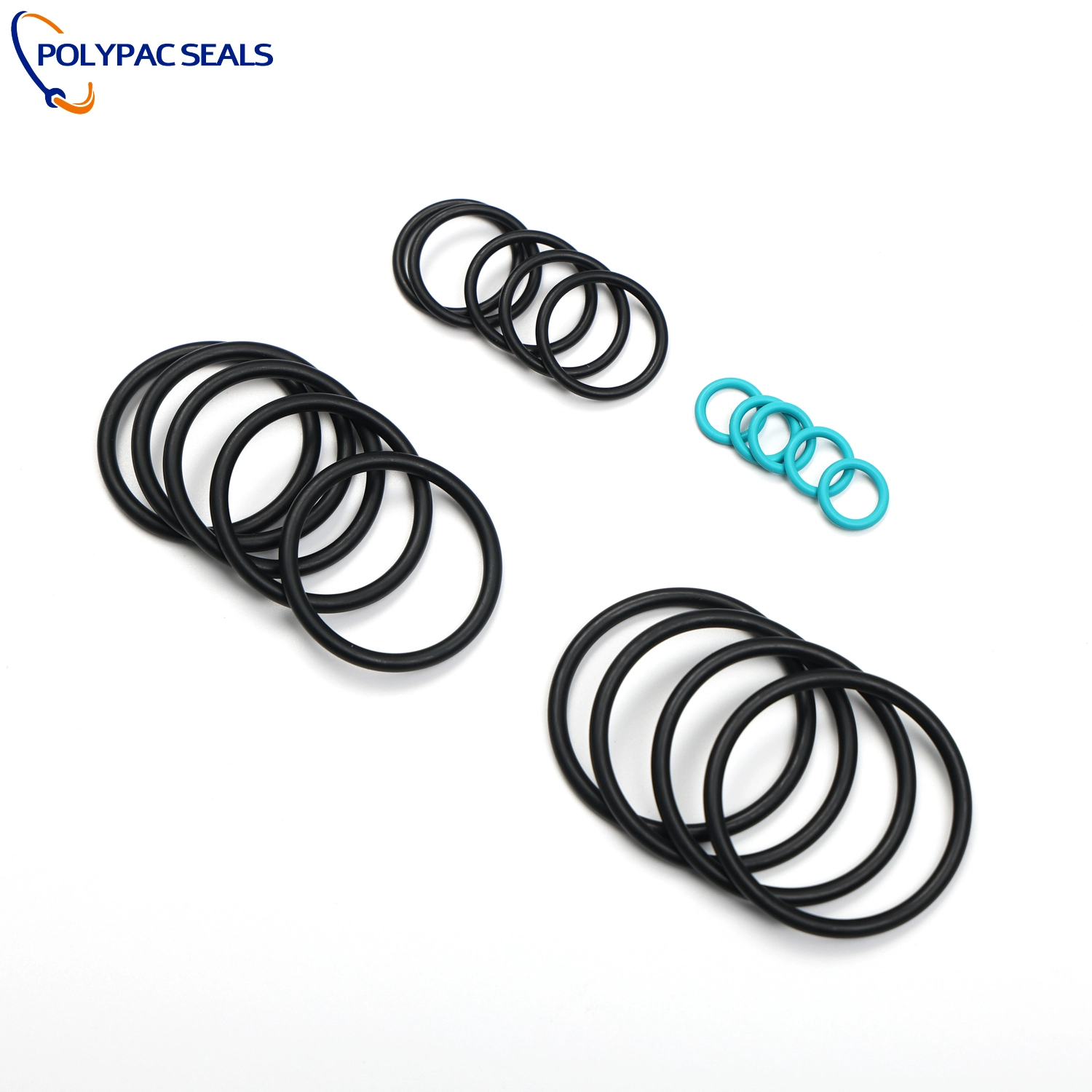
O-ring rubber seals are circular elastomeric components designed to prevent the passage of fluids or gases between two mating surfaces. They function by creating a tight seal when compressed between these surfaces, effectively blocking leaks. The design and material of the O-ring are crucial for its performance, as they must withstand the specific operating conditions of the application.
2. How Do Temperature Variations Affect O-Ring Performance?
Temperature fluctuations can significantly impact O-ring performance. At high temperatures, O-rings may soften, swell, or degrade chemically, leading to loss of sealing capability. Conversely, at low temperatures, they can harden and become brittle, resulting in cracking and seal failure. For instance, materials like Nitrile (NBR) are suitable for temperatures up to 120°C, while Fluorocarbon (FKM) can handle up to 200°C. Selecting the appropriate material based on the operating temperature range is essential to maintain seal integrity.
3. Which O-Ring Materials Are Best Suited for High-Temperature Applications?
For high-temperature environments, materials such as Fluorocarbon (FKM) and Perfluoroelastomers (FFKM) are recommended. FKM offers excellent resistance to heat, oil, acid, weather, and flame, with an operating temperature range of -20°F to 400°F (-29°C to 204°C). FFKM provides superior high-temperature performance, withstanding temperatures up to 650°F (343°C), making it ideal for extreme conditions.
4. What Are the Common Causes of O-Ring Failures in High-Temperature Settings?
In high-temperature settings, O-ring failures often result from thermal degradation, including hardening, cracking, or melting of the elastomer. Prolonged exposure to elevated temperatures can cause irreversible chemical changes, leading to increased hardness and loss of elasticity. Additionally, thermal expansion and contraction can induce internal stresses, contributing to seal failure.
5. How Can I Prevent O-Ring Failures Due to High Temperatures?
To prevent O-ring failures in high-temperature applications, consider the following strategies:
Material Selection: Choose materials with high-temperature resistance, such as FKM or FFKM, based on the specific temperature requirements.
Design Considerations: Ensure proper gland design to accommodate thermal expansion and prevent overcompression, which can lead to permanent deformation.
Installation Practices: Use appropriate installation tools and techniques to avoid damaging the O-ring during assembly.
Maintenance: Regularly inspect O-rings for signs of degradation and replace them as needed to maintain seal integrity.
6. Are There Cost-Effective Alternatives to High-Temperature O-Ring Materials?
While materials like FKM and FFKM offer superior high-temperature performance, they can be costly. For applications with less extreme temperature requirements, alternative materials such as Silicone (VMQ) or Ethylene Propylene Diene Monomer (EPDM) may be suitable. Silicone performs well in temperatures up to 230°C, while EPDM is effective up to 150°C. However, these materials may not offer the same level of chemical resistance as FKM or FFKM, so it's essential to evaluate the specific needs of your application.
In conclusion, selecting the appropriate O-ring material and understanding its performance characteristics are vital for ensuring reliable sealing in high-temperature applications. By considering factors such as temperature resistance, chemical compatibility, and material properties, you can make informed decisions to enhance the longevity and effectiveness of your sealing solutions.
For personalized assistance and to obtain a quote tailored to your specific requirements, please contact us at sales2@dmsseals.com or visit our website at www.polypacseals.com.


Products
When should I use a spring-energized seal instead of a standard elastomeric seal?
What is the difference between a static seal and a dynamic seal?
What is the difference between NBR and FKM materials?
Can I reuse a seal?
How can I prevent seal damage during installation?
Stay Updated with Industry Insights
Subscribe to our articles and receive the latest news, expert guidance, and technical updates directly in your E-mail.
Rest assured that your privacy is important to us, and all information provided will be handled with the utmost confidentiality.

Polypac is a trusted global supplier of high-performance sealing solutions, providing OEM & ODM services for industries worldwide.
E-mail:
Phone/WhatsApp:
© 2025 Polypac Seals. All Rights Reserved.
dms
DMS
DMS