












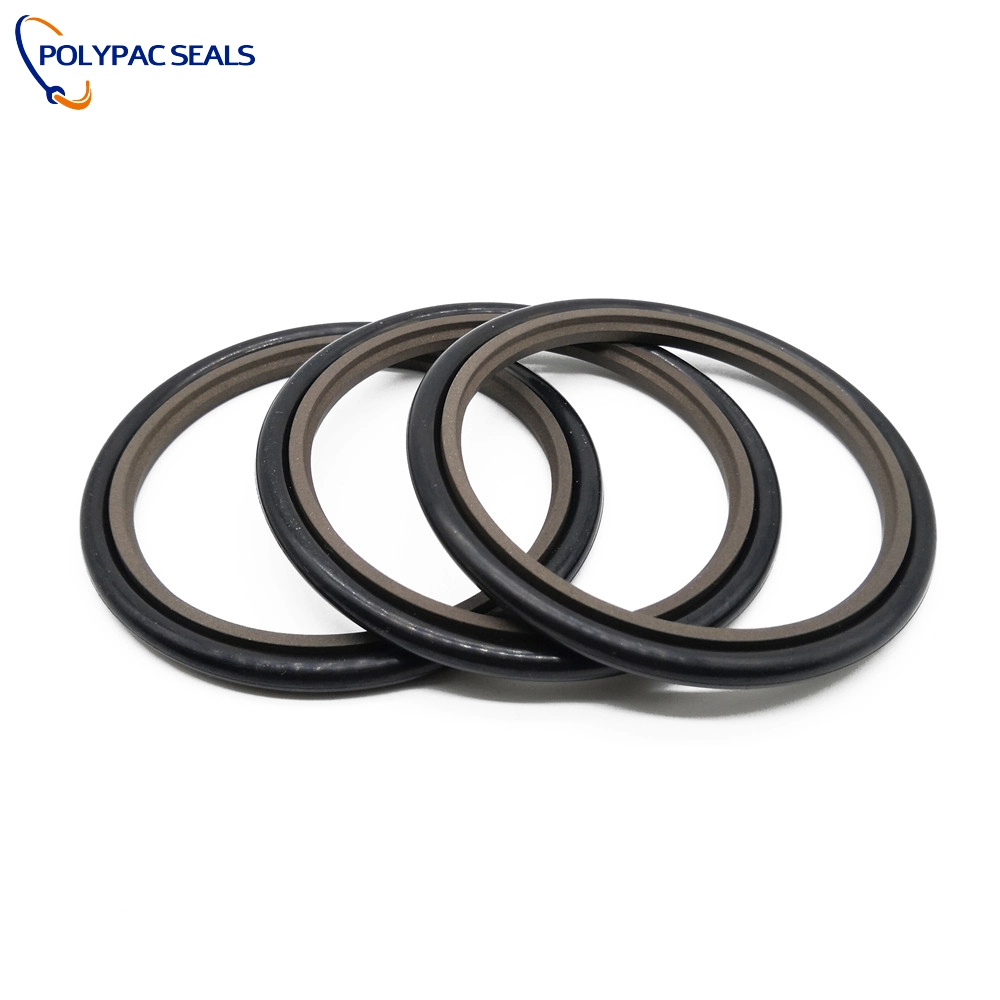
How to choose the best piston guide ring for industrial seals?
1. What are the key factors to consider when selecting a piston guide ring material for industrial applications?
When choosing a piston guide ring material, consider the following factors:
Operating Temperature Range: Ensure the material can withstand the maximum and minimum temperatures of your application.
Chemical Compatibility: Select a material that is resistant to the fluids or gases it will encounter.
Load-Bearing Capacity: The material should support the operational loads without excessive wear.
Friction Coefficient: A low friction coefficient reduces wear and energy consumption.
Wear Resistance: Materials with high wear resistance extend the service life of the guide ring.
Common materials include PTFE (Teflon), which offers excellent chemical resistance and low friction, and composite materials like glass-filled PTFE, which provide enhanced wear resistance and load-bearing capacity.
2. How do I accurately determine the correct dimensions for a piston guide ring to ensure optimal performance?
To determine the correct dimensions:
Measure Cylinder and Piston Dimensions: Obtain precise measurements of the cylinder bore and piston diameter.
Calculate Guide Ring Width: Use the formula: Width = Radial Load / (Piston Diameter × Permissible Surface Pressure). Always apply a safety factor of 2.0 to the permissible pressure. ((https://www.polypacseals.com/blog/ptfe-vs-composite-guide-rings/))
Select Appropriate Profile: Choose a guide ring profile (e.g., T-shaped, L-shaped) that suits the application and installation space.
Consider Tolerances: Account for manufacturing tolerances and ensure the guide ring fits within the specified clearances.
Accurate dimensioning prevents issues like excessive friction, premature wear, and system inefficiencies.
3. What are the common installation mistakes when fitting piston guide rings, and how can they be avoided?
Common installation mistakes include:
Incorrect Orientation: Installing the guide ring upside down or in the wrong direction can lead to improper sealing and increased wear. Always follow manufacturer guidelines for orientation.
Misaligned Ring Gaps: Aligning ring gaps can create pathways for leakage. Stagger ring gaps appropriately to maintain a proper seal.
Insufficient Lubrication: Installing dry rings can cause immediate scuffing. Ensure proper lubrication during installation to prevent damage.
Overlapping Rings: Installing rings in overlapping positions can cause excessive friction and overheating. Ensure rings are installed in their designated grooves without overlap.
To avoid these mistakes, follow detailed installation procedures and consult manufacturer instructions.
4. How can I prevent piston guide ring failure due to contamination and overheating?
To prevent failure:
Maintain Cleanliness: Regularly replace air and fuel filters, and use clean, uncontaminated fuel and oil to prevent abrasive particles from entering the system.
Monitor Operating Temperatures: Ensure the engine operates within the recommended temperature range to prevent overheating, which can lead to ring expansion and failure.
Regular Maintenance: Inspect and maintain the cooling system, including checking coolant levels and radiator condition, to prevent overheating.
Implementing these practices enhances the longevity and reliability of piston guide rings.
5. What are the signs of piston guide ring wear, and how can they be addressed?
Signs of wear include:
Increased Friction: Noticeable resistance during piston movement indicates wear.
Oil Consumption: Excessive oil consumption may result from compromised sealing.
Reduced Performance: Decreased engine efficiency or power output can be a result of ring wear.
To address these issues:
Regular Inspection: Periodically check guide rings for signs of wear or damage.
Replace Worn Components: Replace guide rings that show signs of significant wear to maintain system performance.
Optimize Operating Conditions: Ensure the system operates within optimal parameters to reduce wear rates.
Proactive maintenance and timely replacement of worn guide rings prevent further damage and maintain system efficiency.
6. How do I choose between PTFE and composite materials for piston guide rings in industrial applications?
When choosing between PTFE and composite materials:
PTFE (Teflon):
- Advantages: Excellent chemical resistance, low friction, and FDA approval for food contact.
- Limitations: Lower wear resistance compared to composites.
Composite Materials (e.g., Glass-Filled PTFE):
- Advantages: Enhanced wear resistance, higher load-bearing capacity, and improved dimensional stability.
- Limitations: Potentially higher cost and reduced chemical resistance compared to pure PTFE.
The choice depends on specific application requirements, including exposure to chemicals, load conditions, and budget considerations. ((https://www.polypacseals.com/blog/ptfe-vs-composite-guide-rings/))
By carefully considering these factors, you can select the most suitable piston guide ring material for your industrial sealing needs.
For personalized assistance and to request a quote, please contact us at sales2@dmsseals.com or visit our website at www.polypacseals.com.


Products
How can I prevent seal damage during installation?
What is the purpose of the metal spring in a rotary shaft seal?
What is the difference between NBR and FKM materials?
Why did my O-ring fail prematurely?
Can I reuse a seal?
Stay Updated with Industry Insights
Subscribe to our articles and receive the latest news, expert guidance, and technical updates directly in your E-mail.
Rest assured that your privacy is important to us, and all information provided will be handled with the utmost confidentiality.

Polypac is a trusted global supplier of high-performance sealing solutions, providing OEM & ODM services for industries worldwide.
E-mail:
sales2@dmsseals.com
Phone/WhatsApp:
© 2025 Polypac Seals. All Rights Reserved.
dms
DMS
DMS