












Which piston guide ring coatings improve wear resistance?
1. What are piston guide rings, and how do they function in engine systems?
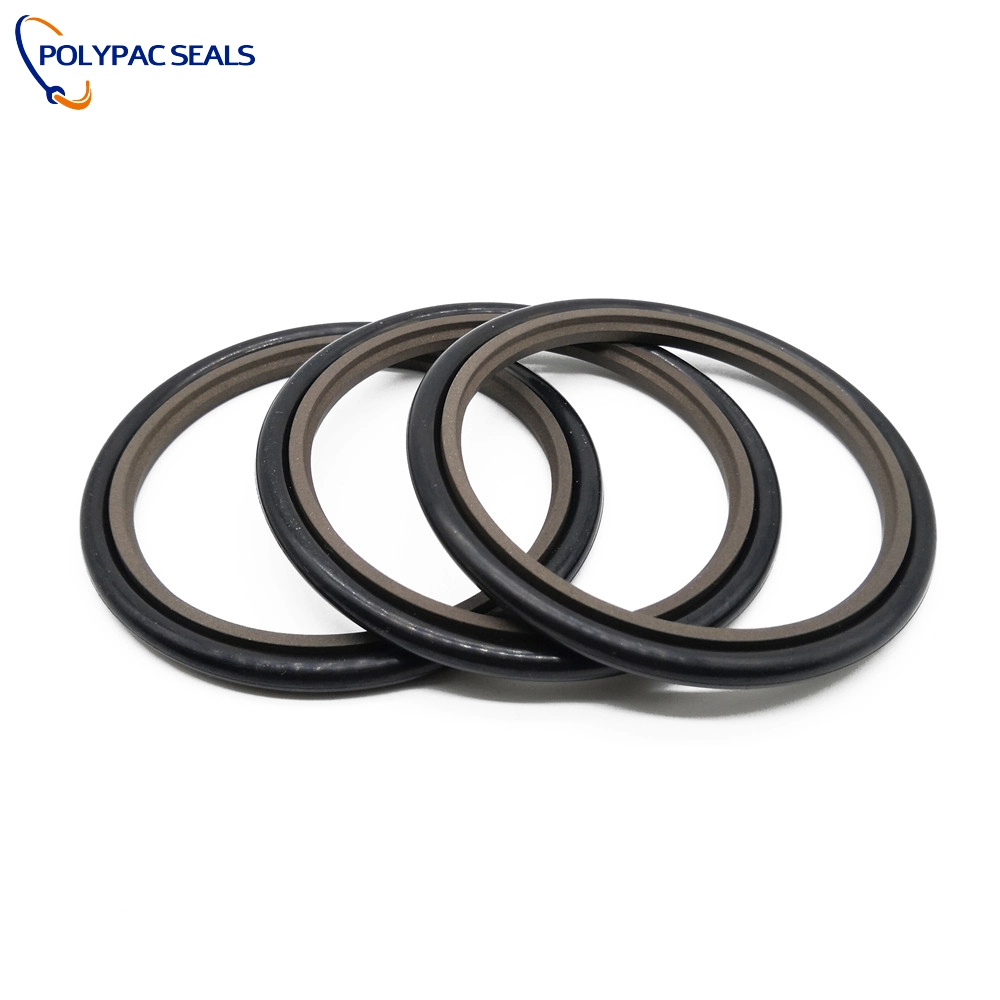
Piston guide rings are integral components in internal combustion engines, designed to prevent direct contact between the piston and the cylinder wall. By maintaining a controlled gap, they facilitate smooth piston movement, reduce friction, and enhance overall engine efficiency. These rings also help in absorbing shear forces and attenuating mechanical vibrations, contributing to the engine's durability and performance.
2. What materials are commonly used in manufacturing piston guide rings?
Piston guide rings are typically made from materials like PTFE (polytetrafluoroethylene) combined with carbon or bronze. These materials are chosen for their excellent sliding behavior, high wear resistance, and ability to withstand various operating conditions, including exposure to mineral oil-based hydraulic fluids, environment-friendly hydraulic fluids, water-oil emulsions, and flame-resistant hydraulic fluids.
3. How do piston guide rings contribute to engine performance and longevity?
By preventing direct metal-to-metal contact, piston guide rings reduce friction and wear between the piston and cylinder wall. This reduction in friction leads to improved fuel efficiency, lower emissions, and enhanced engine performance. Additionally, their ability to absorb shear forces and attenuate mechanical vibrations contributes to the engine's overall durability and longevity.
4. What are the common coatings applied to piston guide rings to enhance wear resistance?
Several coatings are applied to piston guide rings to improve their wear resistance:
Chrome Plating: Provides a hard surface that enhances wear resistance but may have lower scuff resistance compared to other coatings.
Molybdenum Coating: Offers high scuff resistance due to its porous surface, which retains lubrication oil, reducing friction and wear.
Nitride Coating: Increases surface hardness, providing excellent resistance to wear and galling, making it suitable for high-performance applications.
PVD (Physical Vapor Deposition) Coatings: Deposits a thin, hard layer on the ring surface, offering low friction and high wear resistance.
5. How do these coatings affect the performance and durability of piston guide rings?
The application of these coatings significantly enhances the performance and durability of piston guide rings:
Chrome Plating: Increases engine life, particularly in dirty or dusty conditions, and withstands higher temperatures in high-performance applications.
Molybdenum Coating: Its porous nature retains oil, reducing wear rates compared to uncoated rings, making it suitable for various high-strength and high-load engines.
Nitride Coating: Provides high scuff and micro-welding resistance, extending the service life of the rings.
PVD Coatings: Offer very high scuff resistance and a low coefficient of friction, enhancing the overall efficiency and longevity of the engine.
6. Are there any considerations or limitations when selecting coatings for piston guide rings?
When selecting coatings for piston guide rings, it's essential to consider factors such as the operating environment, engine performance requirements, and compatibility with other engine components. For instance, while chrome plating offers excellent wear resistance, it may have lower scuff resistance compared to other coatings. Therefore, understanding the specific needs of the engine and consulting with experts can help in choosing the most suitable coating for optimal performance and durability.
In conclusion, piston guide rings play a crucial role in enhancing engine performance and longevity by reducing friction and wear. The application of appropriate coatings further improves their wear resistance, ensuring efficient and durable engine operation. For tailored solutions and expert advice on piston guide rings and coatings, feel free to contact us for a quote.


Products
How can I prevent seal damage during installation?
Why did my O-ring fail prematurely?
What is the purpose of the metal spring in a rotary shaft seal?
What is the difference between a static seal and a dynamic seal?
What is the difference between NBR and FKM materials?
Stay Updated with Industry Insights
Subscribe to our articles and receive the latest news, expert guidance, and technical updates directly in your E-mail.
Rest assured that your privacy is important to us, and all information provided will be handled with the utmost confidentiality.

Polypac is a trusted global supplier of high-performance sealing solutions, providing OEM & ODM services for industries worldwide.
E-mail:
sales2@dmsseals.com
Phone/WhatsApp:
© 2025 Polypac Seals. All Rights Reserved.
dms
DMS
DMS