












When to replace piston guide rings in heavy-duty equipment?
1. What are piston guide rings, and how do they function in heavy-duty equipment?
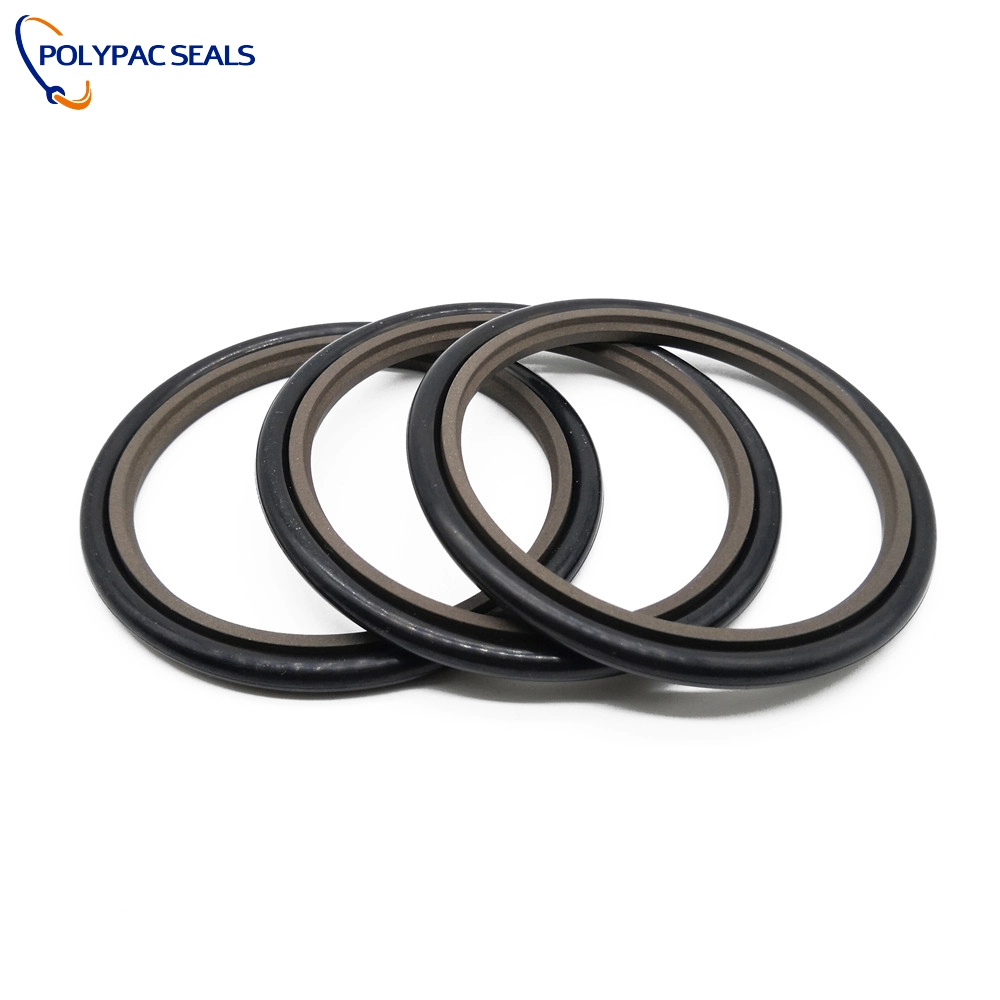
Piston guide rings are integral components in heavy-duty equipment engines, designed to maintain the alignment and stability of the piston within the cylinder. They serve multiple critical functions:
Guiding the Piston: Ensuring the piston moves smoothly within the cylinder, reducing friction and wear.
Sealing: Preventing combustion gases from escaping and minimizing oil consumption by maintaining a tight seal between the piston and cylinder wall.
Heat Management: Assisting in dissipating heat generated during combustion, thereby protecting engine components from thermal damage.
Understanding the role of piston guide rings is essential for effective maintenance and optimal engine performance.
2. What are the common signs indicating that piston guide rings need replacement?
Recognizing the early signs of piston guide ring wear is crucial to prevent extensive engine damage. Common indicators include:
Excessive Oil Consumption: An increase in oil usage can signal that the guide rings are no longer effectively sealing, allowing oil to enter the combustion chamber.
Engine Misfire or Rough Idling: Worn guide rings can lead to uneven piston movement, causing misfires or irregular engine idling.
Loss of Engine Power: A decrease in engine performance may result from compromised piston stability and sealing.
Increased Exhaust Smoke: Blue or gray smoke from the exhaust indicates that oil is burning due to inadequate sealing by the guide rings.
Monitoring these symptoms and addressing them promptly can extend the engine's lifespan and maintain performance.
3. How does improper lubrication contribute to piston guide ring failure?
Insufficient or improper lubrication is a leading cause of piston guide ring failure. The consequences include:
Increased Friction and Wear: Without adequate lubrication, friction between the piston and cylinder wall escalates, leading to accelerated wear of the guide rings.
Overheating: Lack of proper lubrication can result in overheating, causing the guide rings to deform and lose their sealing capability.
Contamination: Dirty or degraded oil can introduce abrasive particles, further damaging the guide rings and other engine components.
To prevent these issues, adhere to the manufacturer's recommended oil change intervals and use the specified oil grade.
4. What are the primary causes of piston guide ring deformation?
Piston guide ring deformation can occur due to several factors:
Overheating: Prolonged exposure to high temperatures can cause the guide rings to lose their shape, compromising their sealing function.
Detonation and Pre-Ignition: Abnormal combustion events can generate excessive pressure and heat, leading to thermal overload and deformation of the guide rings.
Cylinder Wall Damage: Scoring or wear on the cylinder walls can misalign the piston, placing uneven stress on the guide rings and causing deformation.
Regular engine inspections and prompt attention to these issues can mitigate the risk of deformation.
5. How does contamination affect piston guide ring performance?
Contaminants such as dirt, debris, and coolant leaks can severely impact piston guide ring performance:
Abrasive Wear: Foreign particles can scratch and wear down the guide rings, leading to reduced sealing efficiency.
Oil Contamination: Coolant leaks can mix with engine oil, forming sludge that clogs and damages the guide rings.
Reduced Lubrication Efficiency: Contaminants can degrade the lubricating properties of the oil, increasing friction and accelerating wear.
Implementing effective filtration systems and maintaining proper sealing can help prevent contamination-related issues.
6. What are the best practices for maintaining piston guide rings in heavy-duty equipment?
To ensure the longevity and optimal performance of piston guide rings:
Regular Maintenance: Follow the manufacturer's maintenance schedule, including timely oil changes and filter replacements.
Use Quality Components: Opt for high-quality piston guide rings and lubricants that meet or exceed OEM specifications.
Monitor Engine Performance: Pay attention to any changes in engine behavior, such as unusual noises or performance drops, and address them promptly.
Proper Installation: Ensure that piston guide rings are installed correctly, following all manufacturer guidelines to prevent premature failure.
By adhering to these practices, you can enhance the reliability and efficiency of your heavy-duty equipment.
In conclusion, understanding the role and maintenance of piston guide rings is vital for the performance and longevity of heavy-duty equipment engines. Regular monitoring, proper lubrication, and timely replacement of worn components are key to preventing costly repairs and ensuring optimal engine operation.
For more information or to request a quote, please contact us at sales2@dmsseals.com or visit our website at www.polypacseals.com.


Products
What is the purpose of the metal spring in a rotary shaft seal?
Can I reuse a seal?
Why did my O-ring fail prematurely?
How important is surface finish on the metal parts that contact the seal?
What does "AS568" mean?
Stay Updated with Industry Insights
Subscribe to our articles and receive the latest news, expert guidance, and technical updates directly in your E-mail.
Rest assured that your privacy is important to us, and all information provided will be handled with the utmost confidentiality.

Polypac is a trusted global supplier of high-performance sealing solutions, providing OEM & ODM services for industries worldwide.
E-mail:
sales2@dmsseals.com
Phone/WhatsApp:
© 2025 Polypac Seals. All Rights Reserved.
dms
DMS
DMS