












What materials offer the longest life for piston guide rings?
1. What are piston guide rings, and how do they function in hydraulic cylinders?
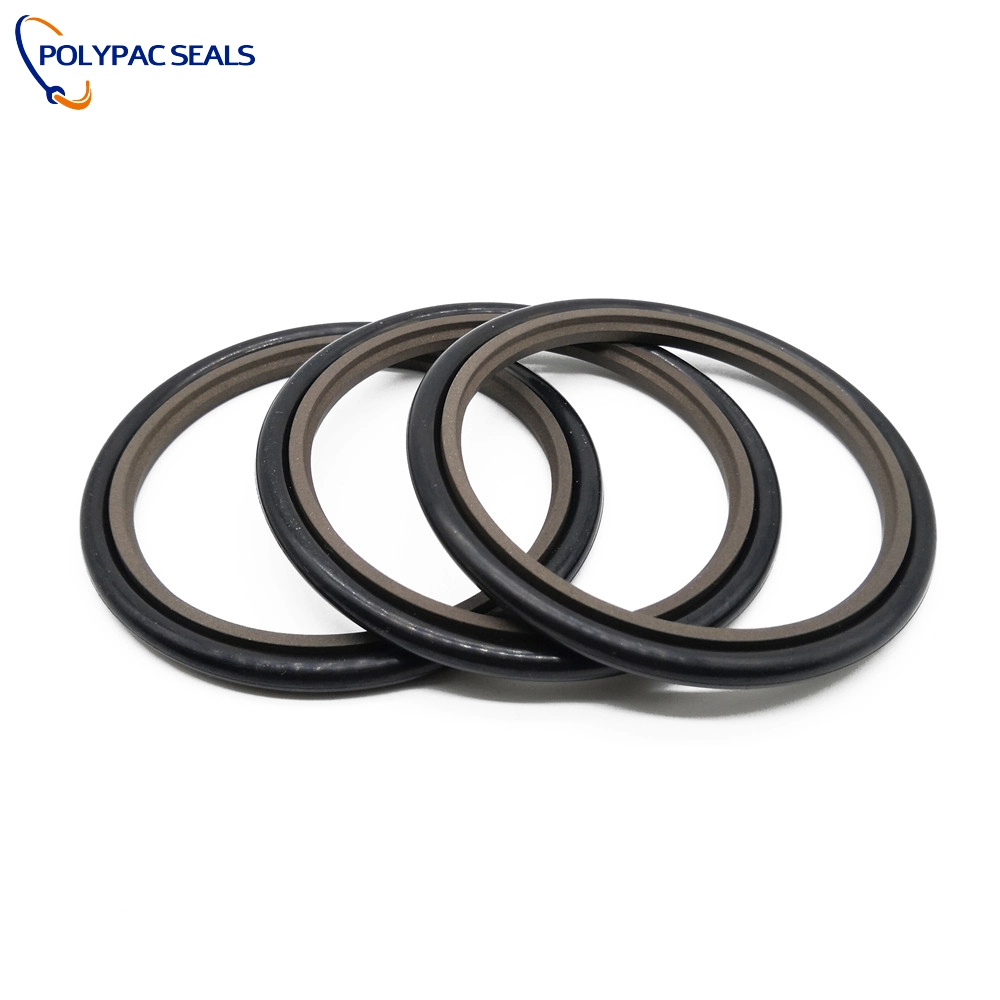
Piston guide rings are integral components in hydraulic cylinders, designed to prevent direct metal-to-metal contact between the piston and cylinder bore. Their primary functions include:
- Guiding the Piston: Ensuring smooth and accurate movement of the piston within the cylinder.
- Reducing Friction: Minimizing wear and tear by providing a low-friction interface.
- Preventing Contamination: Acting as a barrier to keep contaminants away from critical sealing areas.
By fulfilling these roles, piston guide rings enhance the efficiency and longevity of hydraulic systems.
2. What materials offer the longest life for piston guide rings?
The longevity of piston guide rings is significantly influenced by the materials used in their construction. Common materials include:
PTFE (Polytetrafluoroethylene): Known for its low friction and excellent chemical resistance, PTFE guide rings are suitable for a wide range of applications, including those involving mineral oils, water-oil emulsions, and even dry-running conditions. They offer good gliding behavior and high wear resistance.
Fabric-Reinforced Composites: These materials combine the strength of fabrics with the durability of resins, providing enhanced wear resistance and dimensional stability. They are particularly effective in applications with high radial loads and varying temperatures.
Polyamide (Nylon): Offering good wear resistance and low friction, polyamide guide rings are suitable for applications with moderate loads and speeds. They are also known for their resilience and ability to withstand varying temperatures.
Selecting the appropriate material depends on factors such as operating conditions, load requirements, and environmental factors.
3. How can improper installation of piston guide rings affect hydraulic system performance?
Incorrect installation of piston guide rings can lead to several issues:
- Increased Friction: Misalignment or improper seating can cause excessive friction, leading to premature wear and reduced efficiency.
- Contamination: Incorrect installation may allow contaminants to enter the sealing area, compromising the integrity of the hydraulic system.
- Reduced Service Life: Persistent installation errors can shorten the lifespan of both the guide rings and the entire hydraulic system.
To ensure optimal performance, it's crucial to follow manufacturer guidelines and best practices during installation.
4. What are the signs that piston guide rings need replacement?
Indicators that piston guide rings may require replacement include:
- Decreased Performance: Reduced efficiency or responsiveness in the hydraulic system.
- Increased Leakage: Visible signs of fluid leakage around the piston area.
- Unusual Noises: Grinding or squealing sounds during operation.
- Excessive Wear: Observable wear or damage upon inspection.
Regular maintenance and timely replacement of guide rings are essential to maintain system performance and prevent costly repairs.
5. How does the choice of piston guide ring material impact maintenance practices?
The material of piston guide rings directly affects maintenance requirements:
- PTFE Guide Rings: Require minimal lubrication and are resistant to many chemicals, reducing the need for frequent maintenance.
- Fabric-Reinforced Composites: May require periodic inspection for wear and potential lubrication to maintain optimal performance.
- Polyamide Guide Rings: Benefit from regular lubrication and monitoring to prevent wear and ensure longevity.
Understanding the material properties helps in developing effective maintenance schedules and practices.
6. What are the latest advancements in piston guide ring materials and designs?
Recent developments in piston guide ring technology include:
- Advanced Coatings: Application of coatings like nitride or chrome plating to enhance wear resistance and extend service life.
- Composite Materials: Use of advanced composites that offer improved strength-to-weight ratios and resistance to harsh operating conditions.
- Design Innovations: Incorporation of features such as integrated lubrication grooves and self-aligning designs to improve performance and ease of installation.
Staying informed about these advancements can lead to more efficient and durable hydraulic systems.
In conclusion, selecting the right piston guide ring material and ensuring proper installation are vital for the performance and longevity of hydraulic systems. Regular maintenance and staying updated with technological advancements further enhance system reliability and efficiency.
For personalized recommendations and high-quality piston guide rings tailored to your specific needs, contact us at sales2@dmsseals.com or visit our website at www.polypacseals.com.


Products
What does "AS568" mean?
How important is surface finish on the metal parts that contact the seal?
How do I choose the right material for my sealing application?
What is the difference between a static seal and a dynamic seal?
How can I prevent seal damage during installation?
Stay Updated with Industry Insights
Subscribe to our articles and receive the latest news, expert guidance, and technical updates directly in your E-mail.
Rest assured that your privacy is important to us, and all information provided will be handled with the utmost confidentiality.

Polypac is a trusted global supplier of high-performance sealing solutions, providing OEM & ODM services for industries worldwide.
E-mail:
sales2@dmsseals.com
Phone/WhatsApp:
© 2025 Polypac Seals. All Rights Reserved.
dms
DMS
DMS