











How to install a piston rod seal correctly?
Piston Rod Seal Installation and Maintenance: Essential Insights
Piston rod seals are critical components in hydraulic systems, designed to prevent fluid leakage and maintain pressure integrity. Proper installation and maintenance of these seals are vital for the efficient operation and longevity of hydraulic machinery. This guide addresses common questions and provides expert insights into piston rod seal installation.
1. What are the key steps for installing a piston rod seal correctly?
To ensure a proper installation of a piston rod seal, follow these steps:
Clean the Rod and Gland: Remove any dirt, debris, or old seal remnants from the rod and gland to prevent contamination.
Inspect for Damage: Examine the rod and gland for scratches, pitting, or burrs. Even minor imperfections can compromise the seal's effectiveness.
Lubricate Components: Apply a compatible lubricant to the rod, gland, and seal to reduce friction during installation.
Install the Seal: Use a seal installation tool to position the seal correctly, ensuring it is seated evenly without twists or misalignment.
Final Inspection: After installation, verify that the seal is properly seated and that there are no signs of damage or misalignment.
These steps are crucial for achieving a leak-proof seal and optimal system performance.
2. What tools are necessary for installing a piston rod seal?
The following tools are recommended for a successful piston rod seal installation:
Seal Installation Tools: Such as installation cones or specialized rod seal tools to guide the seal into position smoothly.
Lubricant: Compatible with the system's fluid to reduce friction and prevent seal damage during installation.
Measuring Instruments: Calipers or micrometers to verify the dimensions of the rod and gland, ensuring compatibility with the seal.
Non-Metallic Picks: To remove old seals without scratching or damaging the rod or gland surfaces.
Using the appropriate tools minimizes the risk of seal damage and ensures a proper fit.
3. How can I prevent common installation mistakes when fitting a piston rod seal?
To avoid common installation errors:
Avoid Using Metal Tools: Metal tools can gouge or scratch the seal. Opt for plastic or wooden tools instead.
Do Not Overstretch the Seal: Excessive stretching can deform or tear the seal. Use sizing tools for rigid seals to prevent overstretching.
Ensure Proper Lubrication: Dry installation can lead to immediate seal damage. Always lubricate the seal and installation tools before use.
Install the Seal in the Correct Orientation: Directional seals must face the pressure side to function properly.
Maintain Clean Installation Surfaces: Dirt and debris can cause leakage or improper seating. Always clean grooves and contact surfaces thoroughly.
By adhering to these practices, you can enhance the seal's performance and extend its operational lifespan.
4. What are the best practices for maintaining piston rod seals?
Regular maintenance is essential for prolonging the life of piston rod seals:
Regular Inspections: Periodically check for signs of wear, extrusion, or leakage.
Monitor Operating Conditions: Ensure that the system operates within the seal manufacturer's recommended pressure, temperature, and fluid compatibility ranges.
Replace Worn Seals Promptly: Addressing seal wear early prevents system inefficiencies and potential damage to other components.
Maintain Cleanliness: Keep the hydraulic system and surrounding environment clean to prevent contamination that can degrade seal performance.
Implementing these maintenance practices helps in sustaining optimal system performance and extending the service life of piston rod seals.
5. How do I select the appropriate piston rod seal for my application?
Selecting the right piston rod seal involves considering the following factors:
Material Compatibility: Choose a seal material that is compatible with the system's operating fluids and temperatures.
Seal Design: Select a seal design that suits the specific application, such as single-acting or double-acting cylinders.
Pressure and Temperature Ratings: Ensure the seal can withstand the maximum operating pressure and temperature of the system.
Environmental Conditions: Consider factors like exposure to chemicals, UV light, or ozone, which can affect seal materials.
Consulting with seal manufacturers or technical experts can provide valuable guidance in making an informed selection. ((https://www.polypacseals.com/mechanical-seal-installation-best-practices/))
6. What are the signs that a piston rod seal needs replacement?
Indications that a piston rod seal may require replacement include:
Increased Leakage: Visible fluid leaks around the rod or gland.
Reduced System Performance: Decreased efficiency or responsiveness in the hydraulic system.
Unusual Noises: Grinding or squealing sounds during operation.
Visible Wear: Signs of wear or damage on the seal or rod surface.
Addressing these issues promptly can prevent further damage and maintain system reliability.
7. How does the choice of seal material affect piston rod seal performance?
The material of the piston rod seal significantly influences its performance:
Nitrile (NBR): Offers good resistance to oils and fuels but has limited high-temperature capabilities.
Polyurethane (PU): Provides excellent abrasion resistance and is suitable for dynamic applications.
PTFE: Known for its chemical resistance and low friction properties, making it ideal for harsh environments.
FKM (Viton): Offers high-temperature resistance and is suitable for aggressive fluids.
Selecting the appropriate material ensures compatibility with the operating environment and enhances seal longevity. ((https://www.polypacseals.com/mechanical-seal-installation-best-practices/))
8. What are the advantages of choosing Polypac for piston rod seals?
Polypac offers several benefits for piston rod seals:
High-Quality Materials: Utilizes premium materials to ensure durability and performance.
Expert Technical Support: Provides comprehensive guidance on seal selection and installation.
Customization Options: Offers tailored solutions to meet specific application requirements.
Proven Reliability: Known for producing seals that enhance system efficiency and extend service life.
Choosing Polypac ensures access to top-tier sealing solutions backed by industry expertise. ((https://www.polypacseals.com/mechanical-seal-installation-best-practices/))
By adhering to these guidelines and selecting quality components, you can ensure the optimal performance and longevity of your hydraulic systems.


Products
Why did my O-ring fail prematurely?
How important is surface finish on the metal parts that contact the seal?
Can I reuse a seal?
How do I choose the right material for my sealing application?
When should I use a spring-energized seal instead of a standard elastomeric seal?
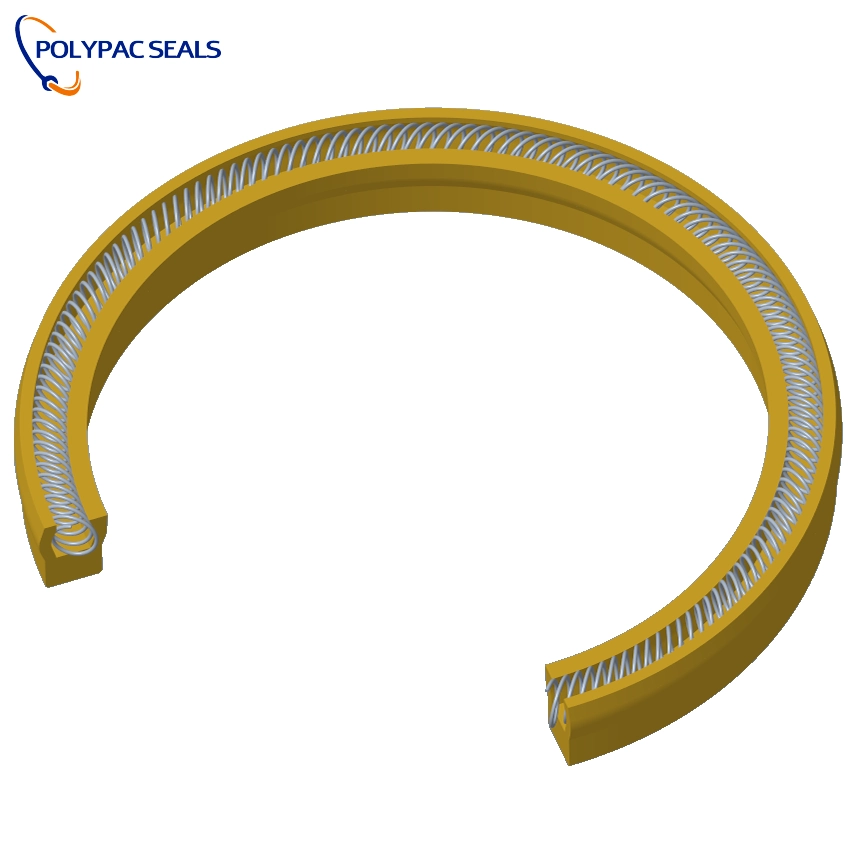

Polypac RSJ Seals: Single-acting piston rod seal designed for hydraulic systems. Featuring a durable dust lip, it ensures reliable sealing and protection against contaminants. Ideal for hydraulic applications requiring high-performance RSJ seals and piston rod sealing solutions.
Stay Updated with Industry Insights
Subscribe to our articles and receive the latest news, expert guidance, and technical updates directly in your E-mail.
Rest assured that your privacy is important to us, and all information provided will be handled with the utmost confidentiality.
Polypac is a trusted global supplier of high-performance sealing solutions, providing OEM & ODM services for industries worldwide.
E-mail:
Phone/WhatsApp:
© 2025 Polypac Seals. All Rights Reserved.
dms
DMS
DMS