










When should you replace a piston rod seal?
Piston rod seals are vital components in hydraulic systems, ensuring fluid containment and preventing leaks. Understanding their function, common failure causes, maintenance practices, and replacement indicators is essential for system reliability.
What Are Piston Rod Seals and Their Function?
Piston rod seals are dynamic seals that prevent hydraulic fluid from leaking between the piston rod and the cylinder bore. They maintain system pressure, protect against contaminants, and ensure smooth operation of the hydraulic cylinder.
Common Causes of Piston Rod Seal Failures
Fluid Contamination: The presence of contaminants like dirt, moisture, and air in the hydraulic fluid can cause abrasion, erosion, and chemical degradation of seals, leading to premature failure.
Improper Installation: Incorrect installation techniques, such as overcompression or misalignment, can compromise seal integrity, resulting in leaks and reduced performance.
High Temperatures: Exposure to elevated temperatures can cause seals to harden, crack, and lose elasticity, leading to seal failure.
Pressure Spikes: Sudden increases in system pressure can exert excessive force on seals, causing deformation or damage.
Rod Surface Damage: Imperfections like scratches, pitting, or corrosion on the piston rod can damage seals, leading to leaks and reduced seal life.
Maintenance Tips to Extend Piston Rod Seal Life
Regular Inspections: Conduct routine checks for signs of wear, leakage, or damage to identify issues early.
Fluid Management: Implement effective filtration systems to maintain fluid cleanliness and prevent contamination.
Proper Installation: Follow manufacturer guidelines and use appropriate tools to ensure correct seal installation.
Temperature Control: Monitor and regulate operating temperatures to prevent heat-related seal degradation.
Pressure Regulation: Install pressure relief valves to manage pressure spikes and protect seals from excessive stress.
When Should You Replace a Piston Rod Seal?
Replace piston rod seals when you observe:
Visible Leaks: Persistent fluid leakage around the piston rod.
Decreased Performance: Reduced system efficiency or responsiveness.
Seal Degradation: Signs of wear, cracking, or hardening of the seal material.
Rod Surface Damage: Corrosion, pitting, or scoring on the piston rod surface.
Polypac's Advantages in Seal Manufacturing
Polypac offers high-quality piston rod seals designed for durability and performance. Their products are engineered to withstand harsh operating conditions, ensuring extended service life and reduced maintenance costs. With a focus on precision manufacturing and material selection, Polypac provides reliable sealing solutions for various hydraulic applications.
By understanding the causes of piston rod seal failures and implementing proactive maintenance practices, you can enhance the reliability and longevity of your hydraulic systems.


Products
What is the difference between NBR and FKM materials?
What is the purpose of the metal spring in a rotary shaft seal?
How important is surface finish on the metal parts that contact the seal?
Can I reuse a seal?
What is the difference between a static seal and a dynamic seal?
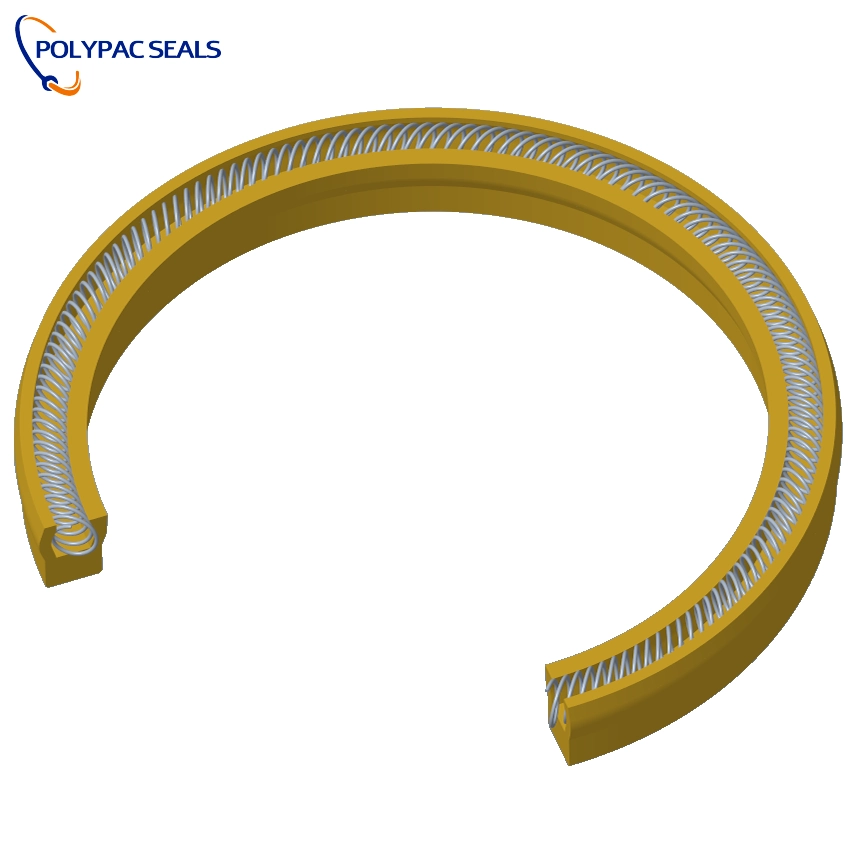

Polypac RSJ Seals: Single-acting piston rod seal designed for hydraulic systems. Featuring a durable dust lip, it ensures reliable sealing and protection against contaminants. Ideal for hydraulic applications requiring high-performance RSJ seals and piston rod sealing solutions.
Stay Updated with Industry Insights
Subscribe to our articles and receive the latest news, expert guidance, and technical updates directly in your E-mail.
Rest assured that your privacy is important to us, and all information provided will be handled with the utmost confidentiality.
Polypac is a trusted global supplier of high-performance sealing solutions, providing OEM & ODM services for industries worldwide.
E-mail:
Phone/WhatsApp:
© 2025 Polypac Seals. All Rights Reserved.
dms
DMS
DMS