












How to troubleshoot common piston rod seal problems?
Piston Rod Seals: Essential Insights for Procurement and Maintenance
Piston rod seals are critical components in hydraulic and pneumatic systems, ensuring efficient operation by preventing fluid leakage and contamination. Understanding common issues, troubleshooting techniques, and key procurement considerations is vital for maintaining system integrity and performance.
1. What Are the Common Problems with Piston Rod Seals?
Piston rod seals may encounter several issues, including:
- Leakage: Caused by wear, contamination, or improper installation.
- Extrusion: Occurs when the seal material is forced out of its groove under high pressure.
- Scuffing and Scoring: Result from inadequate lubrication or surface imperfections.
- Hardening or Swelling: Due to exposure to extreme temperatures or incompatible fluids.
2. How Can I Troubleshoot Piston Rod Seal Issues?
Effective troubleshooting involves:
- Visual Inspection: Check for signs of wear, damage, or contamination.
- Pressure Testing: Identify leaks by monitoring pressure drops.
- Surface Examination: Assess the piston rod and cylinder bore for scoring or roughness.
- Material Compatibility Review: Ensure the seal material is suitable for the operating environment.
3. What Factors Should I Consider When Procuring Piston Rod Seals?
Key procurement considerations include:
- Material Selection: Choose materials like Nitrile Rubber for chemical resistance or Fluoroelastomer for high-temperature applications.
- Seal Design: Opt for designs that minimize friction and prevent extrusion, such as incorporating backup rings in high-pressure systems.
- Quality Standards: Verify certifications like ISO 9001:2015 to ensure product reliability.
- Supplier Reputation: Assess the manufacturer's experience and customer feedback.
4. How Does Seal Design Impact Performance?
Seal design influences:
- Friction: Angled cuts and specific lip geometries can reduce friction.
- Leakage Prevention: Proper design ensures effective sealing, minimizing leakage.
Selecting the appropriate design based on application requirements is essential for optimal performance.
5. What Role Do Backup Rings Play in Seal Performance?
Backup rings are used to:
- Prevent Extrusion: In high-pressure systems, they prevent the seal from being forced out of the groove.
- Enhance Durability: They distribute pressure evenly, extending seal life.
Incorporating backup rings is particularly important in systems operating at pressures above 250 bar.
6. How Do Surface Finish and Shaft Hardness Affect Seal Performance?
The interaction between the seal and the shaft or bore surface is critical:
- Surface Finish: A smooth surface finish (typically Ra 0.2–0.4 µm for dynamic seals) minimizes wear and reduces friction.
- Shaft Hardness: A harder shaft surface (e.g., ≥ 55 HRC) protects against scoring, especially when using softer elastomers like NBR or PU.
Ensuring proper surface conditions is vital for seal longevity.
7. What Are the Benefits of Using PTFE-Based Seals?
PTFE-based seals offer:
- Chemical Resistance: They handle almost all hydraulic fluids and aggressive chemicals.
- Temperature Stability: Suitable for a wide temperature range.
- Low Friction: Minimizes stick-slip effects, beneficial for high-speed applications.
However, they may require energizer rings due to lower elasticity.
8. How Does Material Selection Impact Cost-Effectiveness?
While materials like PTFE offer superior performance, they come at a higher cost. Balancing material properties with application requirements and budget constraints is essential. For instance, PU offers a good cost-to-durability ratio for general industrial use.
Conclusion: Why Choose Polypac for Your Piston Rod Seal Needs?
Polypac offers a comprehensive range of rod seals designed to meet diverse application needs. With a focus on quality materials and precision engineering, Polypac ensures reliable and durable sealing solutions for various industries. Their commitment to innovation and customer satisfaction makes them a preferred choice for piston rod seals.
References:
- (https://www.polypacseals.com/guides/piston-rod-seal-material-selection-guide/)
- (https://pmarketresearch.com/worldwide-piston-and-rod-seals-market-research-2024-by-type-application-participants-and-countries-forecast-to-2030/)
- (https://markwideresearch.com/piston-rod-seal-market/)
Note: The above references provide additional insights into piston rod seal materials, market trends, and research reports.


Products
What is the difference between a static seal and a dynamic seal?
Can I reuse a seal?
What is the difference between NBR and FKM materials?
What is the purpose of the metal spring in a rotary shaft seal?
How important is surface finish on the metal parts that contact the seal?
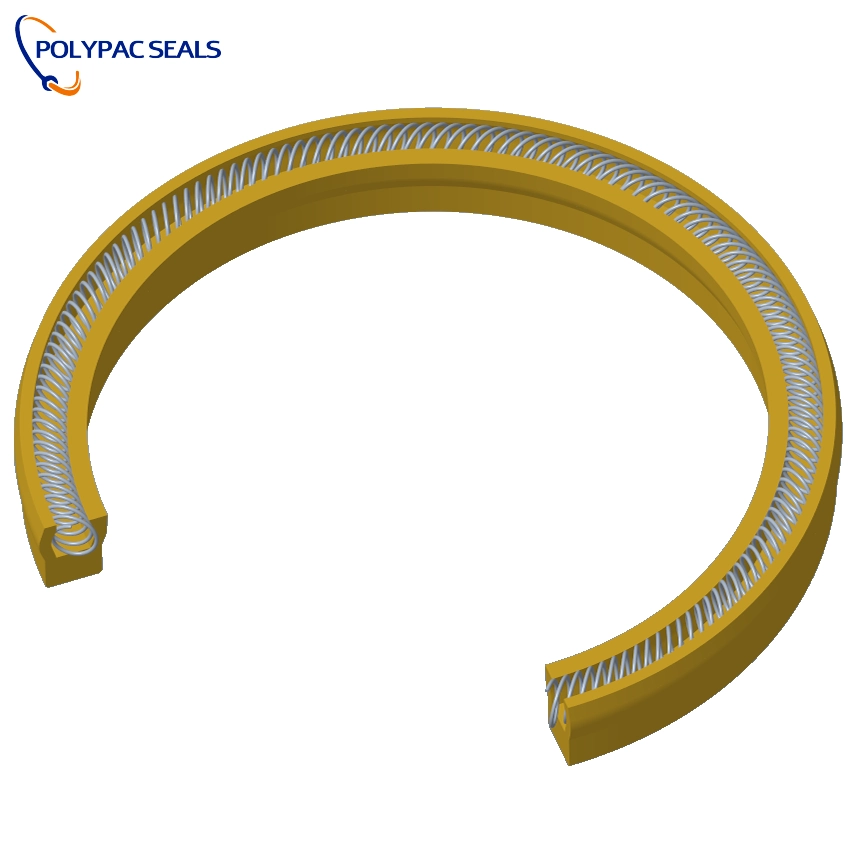

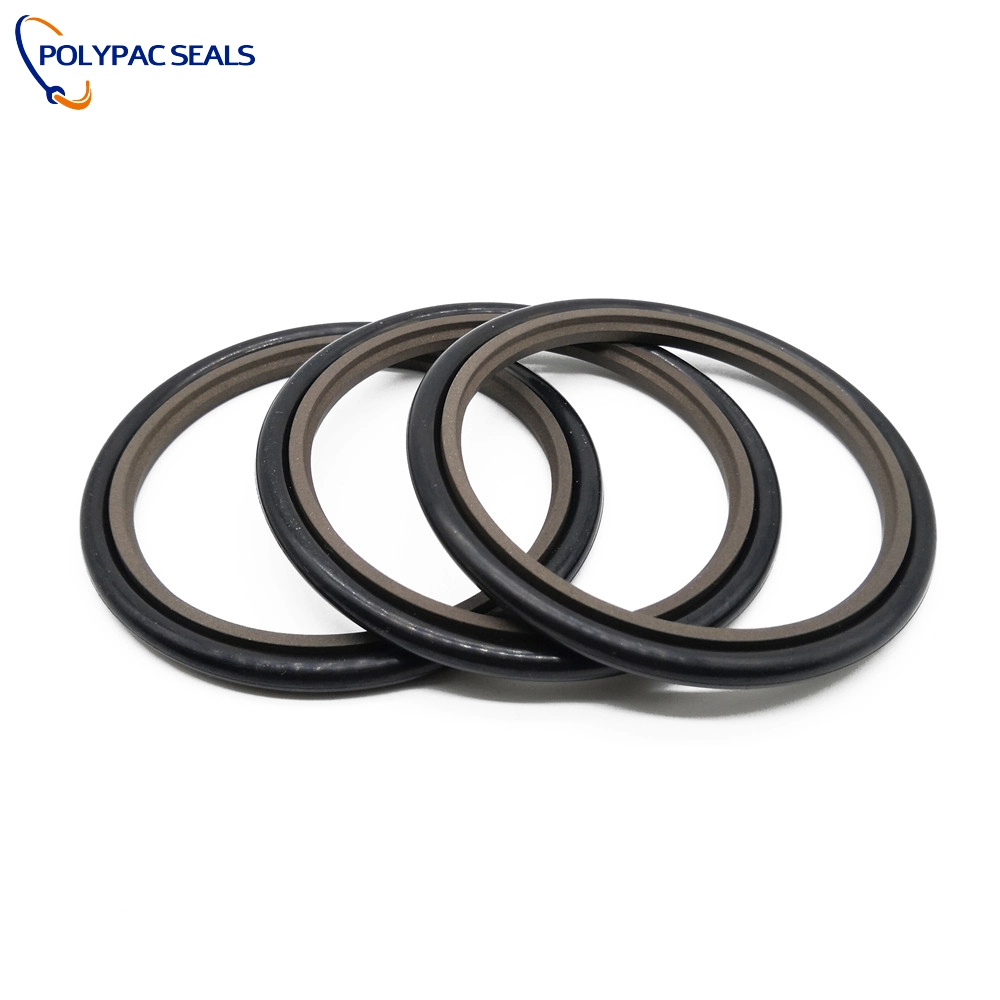
Polypac RSJ Seals: Single-acting piston rod seal designed for hydraulic systems. Featuring a durable dust lip, it ensures reliable sealing and protection against contaminants. Ideal for hydraulic applications requiring high-performance RSJ seals and piston rod sealing solutions.
Stay Updated with Industry Insights
Subscribe to our articles and receive the latest news, expert guidance, and technical updates directly in your E-mail.
Rest assured that your privacy is important to us, and all information provided will be handled with the utmost confidentiality.
Polypac is a trusted global supplier of high-performance sealing solutions, providing OEM & ODM services for industries worldwide.
E-mail:
Phone/WhatsApp:
© 2025 Polypac Seals. All Rights Reserved.
dms
DMS
DMS