











Are polyurethane piston rod seals better than PTFE?
Piston Rod Seals: Essential Components for Hydraulic Systems
Piston rod seals are vital components in hydraulic cylinders, designed to prevent fluid leakage along the piston rod while resisting pressure, wear, and contamination. Their performance directly influences the efficiency and longevity of hydraulic systems. Understanding the materials, manufacturing processes, and procurement considerations is crucial for selecting the appropriate piston rod seal for your application.
1. What Are the Primary Materials Used for Piston Rod Seals?
The selection of seal material is pivotal, as it affects performance, durability, and compatibility with operating conditions. Common materials include:
Nitrile Rubber (NBR): Offers good oil resistance and is cost-effective.
Fluorocarbon (FKM/Viton): Provides excellent high-temperature and chemical resistance.
Polyurethane (PU): Known for high abrasion resistance and load capacity.
Polytetrafluoroethylene (PTFE): Features very low friction and wide chemical compatibility.
Each material has distinct advantages and limitations, making it essential to match the material properties with your system's requirements. ((https://www.polypacseals.com/guides/piston-rod-seal-material-selection-guide/))
2. How Do Operating Conditions Influence Material Selection?
Operating conditions such as temperature, pressure, and fluid type significantly affect material performance:
Temperature: Materials like PTFE can withstand temperatures from -200°C to +260°C, while NBR is suitable for -30°C to +100°C.
Pressure: High-pressure systems may require materials like PTFE or PU, which can handle pressures exceeding 50 MPa.
Fluid Compatibility: Ensure the material is compatible with the hydraulic fluid to prevent degradation. For instance, NBR is not ideal for water-based fluids.
Selecting the right material based on these factors ensures optimal seal performance and longevity. ((https://www.polypacseals.com/guides/piston-rod-seal-material-selection-guide/))
3. What Are the Common Causes of Piston Rod Seal Failure?
Seal failures often result from:
Improper Installation: Damaged lips or incorrect fitting can lead to leaks.
Contamination: Ingress of dirt or debris can damage the seal.
Chemical Incompatibility: Exposure to incompatible fluids can degrade the seal material.
Regular maintenance and adherence to installation guidelines can mitigate these issues. ((https://www.polypacseals.com/guides/piston-rod-seal-material-selection-guide/))
4. How Do Manufacturing Processes Affect Seal Quality?
The manufacturing process influences seal quality and performance. Elastomer rod seals are primarily produced through injection or compression molding.
Injection Molding: Elastomer is heated and injected into a closed mold, providing high repeatability and tight dimensional control, suitable for large-volume production of o-rings and simple rod seals.
Compression Molding: Pre-measured elastomer charges are placed into open mold cavities and compressed to form the part, preferred for larger, thicker rod seals or materials that are difficult to injection-mold.
Understanding these processes helps in selecting seals that meet specific application requirements. ((https://www.polypacseals.com/manufacturing-processes-rod-seals/))
5. What Are the Key Considerations When Procuring Piston Rod Seals?
When sourcing piston rod seals, consider the following:
Supplier Transparency: Request material datasheets, third-party test reports, and clear installation tolerances to ensure product quality.
Customization Capabilities: Ensure the manufacturer can provide tailored geometries and materials suited to your specific application.
Testing and R&D: Verify the manufacturer's in-house testing capabilities and commitment to research and development for continuous product improvement.
Engaging with suppliers who offer comprehensive support and transparency can lead to more reliable and efficient sealing solutions. ((https://www.polypacseals.com/choose-piston-seal-manufacturer/))
6. Are Polyurethane Piston Rod Seals Better Than PTFE?
Polyurethane (PU) and PTFE are both used in piston rod seals, each offering unique benefits:
Polyurethane (PU): Known for high abrasion resistance and load capacity, making it suitable for applications with high dynamic loads and abrasive environments.
Polytetrafluoroethylene (PTFE): Features very low friction and wide chemical compatibility, ideal for applications requiring low friction and resistance to a broad range of chemicals.
The choice between PU and PTFE depends on specific application requirements, including operating conditions and performance needs. ((https://www.polypacseals.com/guides/piston-rod-seal-material-selection-guide/))
7. What Are the Current Trends in the Piston Rod Seal Market?
The piston rod seal market is experiencing several key trends:
Material Innovation and Sustainability: Advances in material science are driving the development of eco-friendly and sustainable sealing solutions.
Customization and Application Engineering: There is an increasing demand for customized seal solutions tailored to specific application requirements and operating conditions.
Integration of Digital Technologies: The adoption of smart manufacturing principles, automation, and data analytics is optimizing production processes and quality control in the piston and rod seals industry.
Staying informed about these trends can help in making strategic procurement decisions.
8. How Does Polypac Stand Out in the Piston Rod Seal Industry?
Polypac is a leading manufacturer specializing in seal production, sealing material development, and customized sealing solutions for special working conditions. Founded in 2008, Polypac offers a comprehensive range of products, including O-rings, rod seals, piston seals, and more. The company emphasizes material development, offering filled and specialty PTFE compounds, and provides tailored geometries and spring-energized solutions. With in-house testing equipment and academic partnerships, Polypac ensures advanced sealing research and product quality. ((https://www.polypacseals.com/choose-piston-seal-manufacturer/))
Choosing Polypac as your piston rod seal supplier ensures access to high-quality, customized sealing solutions backed by extensive industry expertise and a commitment to innovation.
((https://www.polypacseals.com/choose-piston-seal-manufacturer/))


Products
What is the purpose of the metal spring in a rotary shaft seal?
How important is surface finish on the metal parts that contact the seal?
How can I prevent seal damage during installation?
What is the difference between a static seal and a dynamic seal?
When should I use a spring-energized seal instead of a standard elastomeric seal?
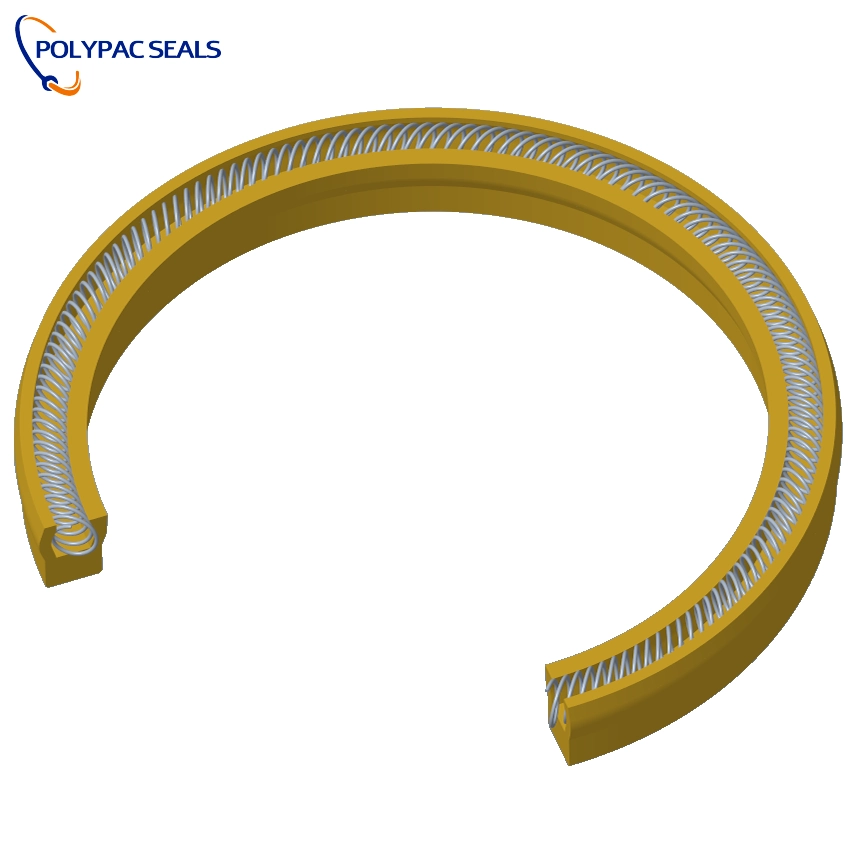

Polypac RSJ Seals: Single-acting piston rod seal designed for hydraulic systems. Featuring a durable dust lip, it ensures reliable sealing and protection against contaminants. Ideal for hydraulic applications requiring high-performance RSJ seals and piston rod sealing solutions.
Stay Updated with Industry Insights
Subscribe to our articles and receive the latest news, expert guidance, and technical updates directly in your E-mail.
Rest assured that your privacy is important to us, and all information provided will be handled with the utmost confidentiality.
Polypac is a trusted global supplier of high-performance sealing solutions, providing OEM & ODM services for industries worldwide.
E-mail:
Phone/WhatsApp:
© 2025 Polypac Seals. All Rights Reserved.
dms
DMS
DMS