












How to measure and specify piston seal dimensions for OEM orders?
1. How do I accurately measure the dimensions of a pneumatic piston seal for replacement?
Accurate measurement of a pneumatic piston seal is crucial for ensuring a proper fit and optimal performance. Follow these steps:
Identify the Seal Profile: Examine the seal's cross-section and match it to a seal profile chart.
Measure Key Dimensions:
- Outer Diameter (OD): Use calipers to measure the external diameter.
- Inner Diameter (ID): Measure the internal diameter.
- Width (W): Determine the width of the seal.
- Height (H): Measure the height of the seal.
For multi-part seals, measure each component separately.
Verify Material Compatibility: Ensure the seal material is suitable for your application, considering factors like pressure, temperature, and chemical exposure.
Consult Manufacturer Specifications: Refer to the manufacturer's guidelines for tolerances and installation recommendations.
Consider Surface Finish: The mating surfaces should have a surface finish (Ra) between 0.2 to 0.8 μm to ensure a proper seal.
Account for Seal Compression: Calculate the expected compression to ensure the seal will function effectively under operating conditions.
By meticulously measuring and verifying these dimensions, you can select a replacement seal that ensures reliable performance and longevity.
2. What are the standard dimensions for pneumatic piston seals in various applications?
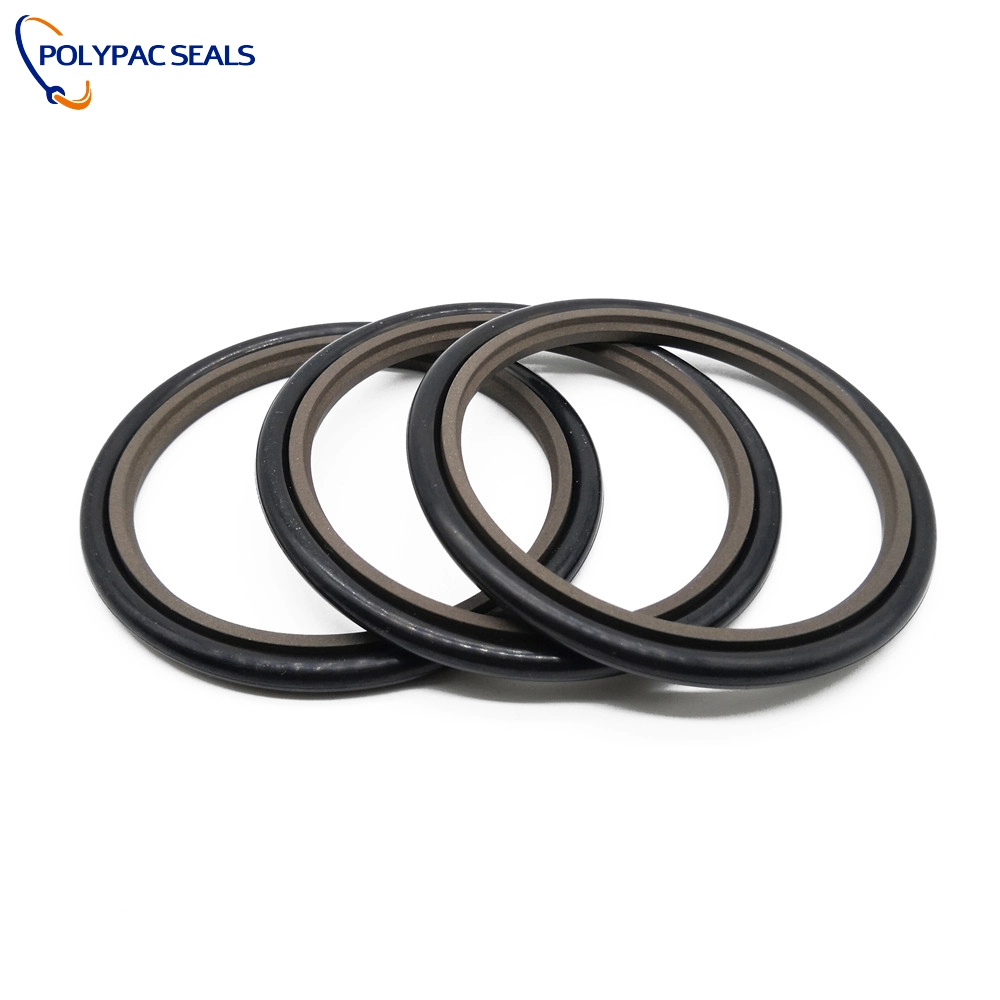
Pneumatic piston seals come in various standard sizes tailored to different applications. Here are some common dimensions:
Type A: Glide Ring (Step Seal)
- Piston Diameter: 20 – 50 mm
- Seal Width: 3.2 – 5.0 mm
- Groove Depth: 2.4 – 3.8 mm
- O-ring Cross-Section: 1.78 – 2.62 mm
Type B: Piston Cup (U-Cup)
- Bore Size: 25 – 63 mm
- Seal Height: 4.5 – 6.0 mm
- Lip Thickness: 0.8 – 1.2 mm
- Radial Wall: 2.0 – 3.0 mm
Type C: Cover Seal
- Seal Dimensions: 6.35 – 14.28 mm (D), 1.58 – 4.76 mm (h), 3.17 – 6.37 mm (G)
These standard dimensions are designed to fit common pneumatic cylinder sizes. For custom applications, consult with a seal manufacturer to determine the appropriate dimensions.
3. How do I specify piston seal dimensions for OEM orders to ensure compatibility?
Specifying accurate piston seal dimensions for Original Equipment Manufacturer (OEM) orders is essential for ensuring compatibility and performance. Follow these steps:
Provide Detailed Measurements: Include precise measurements of the cylinder bore, piston diameter, groove dimensions, and seal dimensions.
Specify Material Requirements: Indicate the desired material based on operating conditions, such as temperature range, pressure, and chemical exposure.
Include Tolerances: Define acceptable tolerances for each dimension to ensure proper fit and function.
Detail Surface Finish Specifications: Specify the required surface finish (Ra) for mating surfaces to ensure effective sealing.
State Performance Requirements: Outline expected operating conditions, including pressure, speed, and environmental factors.
Consult Manufacturer Guidelines: Refer to the manufacturer's recommendations for groove design and seal installation to ensure compatibility.
By providing comprehensive and accurate specifications, you can ensure that the piston seals meet your performance and durability requirements.
4. What factors should I consider when selecting a pneumatic piston seal material?
Selecting the appropriate material for a pneumatic piston seal is critical for ensuring optimal performance and longevity. Consider the following factors:
Operating Temperature: Choose a material that can withstand the maximum and minimum temperatures of your application. For instance, nitrile rubber (NBR) is suitable for temperatures ranging from -10°C to 100°C, while fluoro rubber (FKM) can handle temperatures from -10°C to 200°C.
Pressure Conditions: Ensure the material can withstand the maximum operating pressure without compromising the seal's integrity.
Chemical Compatibility: Verify that the material is compatible with the fluids or gases in your system to prevent degradation.
Wear Resistance: Consider materials with high wear resistance, such as polyurethane (PU), for applications with high friction.
Environmental Factors: Account for exposure to UV light, ozone, and other environmental elements that may affect material performance.
By carefully evaluating these factors, you can select a seal material that ensures reliable and efficient operation in your pneumatic system.
5. How do I install a pneumatic piston seal to prevent damage and ensure longevity?
Proper installation of a pneumatic piston seal is essential for preventing damage and ensuring a long service life. Follow these guidelines:
Cleanliness: Ensure all components are clean and free from debris to prevent seal damage during installation.
Lubrication: Apply a suitable lubricant to the seal and mating surfaces to reduce friction and facilitate installation.
Avoid Stretching: Do not overstretch the seal during installation, as this can lead to deformation and reduced sealing effectiveness.
Use Proper Tools: Utilize installation tools designed for the specific seal type to prevent damage.
Check for Debris: Inspect grooves and mating surfaces for burrs or debris that could damage the seal.
Verify Orientation: Ensure the seal is installed in the correct orientation as specified by the manufacturer.
By adhering to these installation practices, you can enhance the performance and longevity of your pneumatic piston seals.
6. What are the common causes of pneumatic piston seal failure, and how can they be prevented?
Understanding the common causes of pneumatic piston seal failure and implementing preventive measures can significantly extend seal life. Common causes include:
Improper Installation: Incorrect installation can lead to seal damage. Ensure proper installation techniques are followed.
Material Degradation: Exposure to incompatible chemicals or extreme temperatures can degrade seal materials. Select materials compatible with your application conditions.
Excessive Pressure or Speed: Operating beyond the seal's rated pressure or speed can cause failure. Adhere to manufacturer specifications.
Contamination: Presence of dirt or debris can damage seals. Maintain cleanliness during installation and operation.
Inadequate Lubrication: Lack of lubrication can increase friction and wear. Ensure proper lubrication is maintained.
By identifying these potential issues and implementing preventive measures, you can enhance the reliability and lifespan of your pneumatic piston seals.
In conclusion, selecting and maintaining pneumatic piston seals requires careful consideration of dimensions, materials, installation practices, and operating conditions. By addressing these factors, you can ensure optimal performance and longevity of your pneumatic systems.
For a personalized quote or further assistance, please contact us at sales2@dmsseals.com or visit our website at www.polypacseals.com.


Products
Why did my O-ring fail prematurely?
Can I reuse a seal?
How can I prevent seal damage during installation?
What does "AS568" mean?
How do I choose the right material for my sealing application?
Stay Updated with Industry Insights
Subscribe to our articles and receive the latest news, expert guidance, and technical updates directly in your E-mail.
Rest assured that your privacy is important to us, and all information provided will be handled with the utmost confidentiality.
Polypac is a trusted global supplier of high-performance sealing solutions, providing OEM & ODM services for industries worldwide.
E-mail:
sales2@dmsseals.com
Phone/WhatsApp:
© 2025 Polypac Seals. All Rights Reserved.
dms
DMS
DMS