











Can custom pneumatic piston seals reduce downtime and costs?
1. How do misaligned pneumatic piston seals lead to increased downtime and maintenance costs?
Misalignment in pneumatic piston seals occurs when the cylinder is not properly aligned with its load, causing uneven wear on seals and rods. This misalignment can result in premature seal failure, increased friction, and reduced operational efficiency. Over time, these issues can lead to significant downtime and higher maintenance expenses. To prevent misalignment, it's crucial to ensure proper installation and alignment of pneumatic cylinders, as well as regular maintenance checks to identify and correct any misalignment issues promptly.
2. In what ways does contamination affect the performance and longevity of pneumatic piston seals?
Contamination, such as dirt, dust, and other particles, can infiltrate pneumatic systems and attach to the piston, leading to dirty and less reliable seals. This contamination can result in seal failure and compromise the entire cylinder's functionality. To mitigate contamination, it's essential to implement high-efficiency filtration systems and ensure proper rod surface hardness and finish. Regular maintenance and inspections can also help identify and address contamination issues before they lead to significant problems.
3. How does improper lubrication contribute to seal degradation and increased operational costs?
Inadequate or improper lubrication can lead to increased friction and wear within pneumatic cylinders, causing seals to degrade more rapidly. This degradation can result in air leaks, reduced system efficiency, and higher energy consumption. To prevent these issues, it's important to apply appropriate lubricants that are compatible with the cylinder materials and operating environment. Regular inspections should include checks for lubricant levels and seal conditions to ensure optimal performance.
4. What are the consequences of using standard seals in high-cycle or harsh pneumatic environments?
Standard seals may not meet the demands of high-cycle or harsh pneumatic environments, leading to premature wear and failure. Custom sealing solutions can be tailored to specific applications, optimizing performance and extending service life. By selecting seals designed for the operating conditions, manufacturers can reduce downtime and maintenance costs, leading to improved overall system efficiency.
5. How can exceeding operating limits of pneumatic cylinders lead to seal failure and increased downtime?
Operating pneumatic cylinders beyond their designed parameters, such as overloading or subjecting them to high-pressure spikes, can accelerate wear and cause seal failures. These failures can lead to unplanned downtime, emergency repairs, and disruptions in production. To avoid these issues, it's essential to operate cylinders within their specified limits and ensure that all components are properly rated for the intended application.
6. How do custom pneumatic piston seals contribute to reducing downtime and maintenance costs?
Custom pneumatic piston seals are designed to meet the specific requirements of an application, taking into account factors such as pressure ranges, environmental conditions, and contamination levels. By tailoring seals to these conditions, manufacturers can enhance seal performance, extend service life, and reduce the frequency of maintenance interventions. This proactive approach leads to minimized downtime and lower overall maintenance costs, contributing to improved operational efficiency and cost savings.
In conclusion, addressing common issues such as misalignment, contamination, improper lubrication, and exceeding operating limits is crucial for maintaining the performance and longevity of pneumatic piston seals. Implementing custom sealing solutions tailored to specific applications can further enhance system efficiency and reduce downtime and maintenance costs. For more information or to request a quote, please contact us at sales2@dmsseals.com or visit our website at www.polypacseals.com.


Products
What does "AS568" mean?
How do I choose the right material for my sealing application?
Can I reuse a seal?
How important is surface finish on the metal parts that contact the seal?
When should I use a spring-energized seal instead of a standard elastomeric seal?
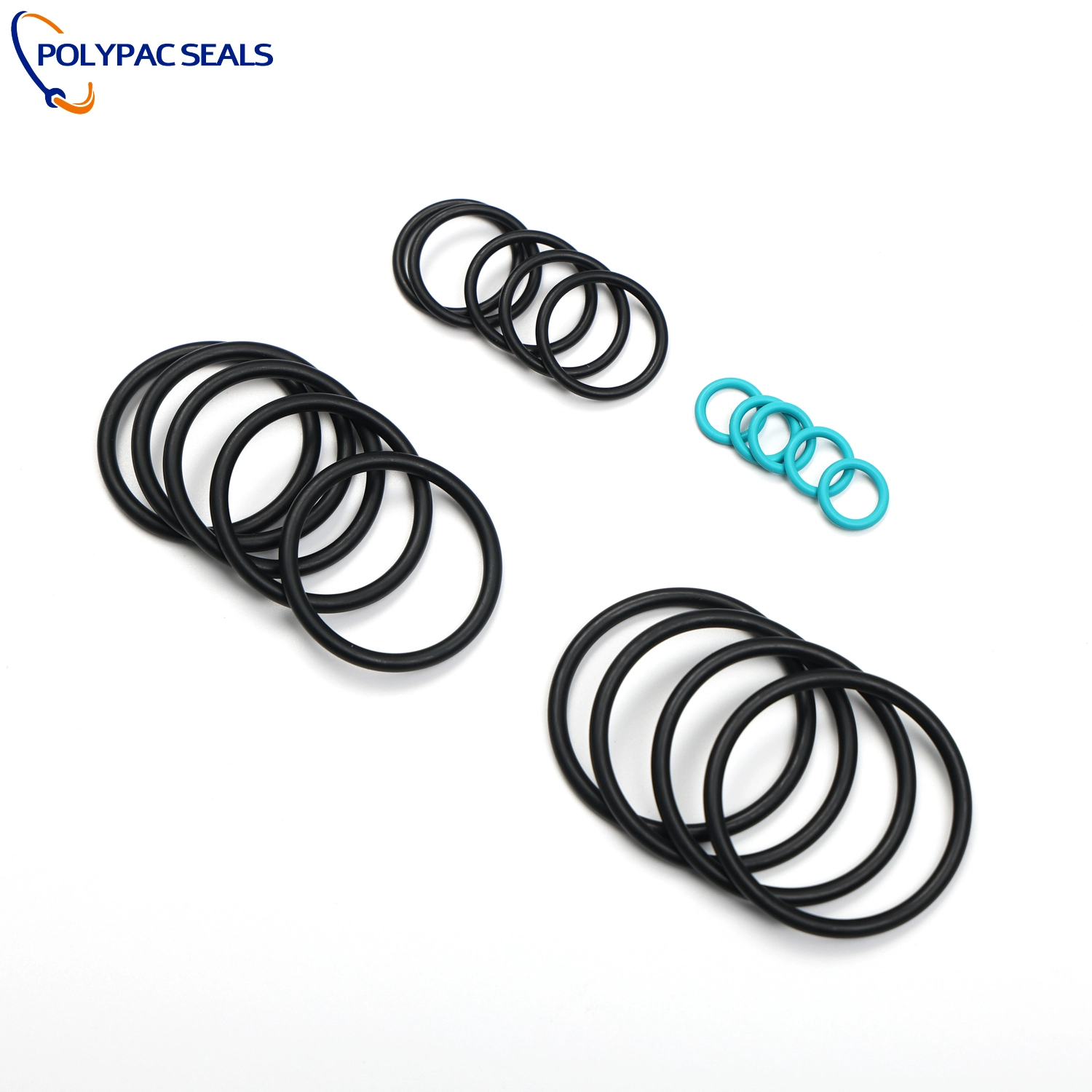
Stay Updated with Industry Insights
Subscribe to our articles and receive the latest news, expert guidance, and technical updates directly in your E-mail.
Rest assured that your privacy is important to us, and all information provided will be handled with the utmost confidentiality.
Polypac is a trusted global supplier of high-performance sealing solutions, providing OEM & ODM services for industries worldwide.
E-mail:
sales2@dmsseals.com
Phone/WhatsApp:
© 2025 Polypac Seals. All Rights Reserved.
dms
DMS
DMS