












What pressure and temperature ratings do pneumatic piston seals need?
1. What are the optimal pressure and temperature ratings for pneumatic piston seals?
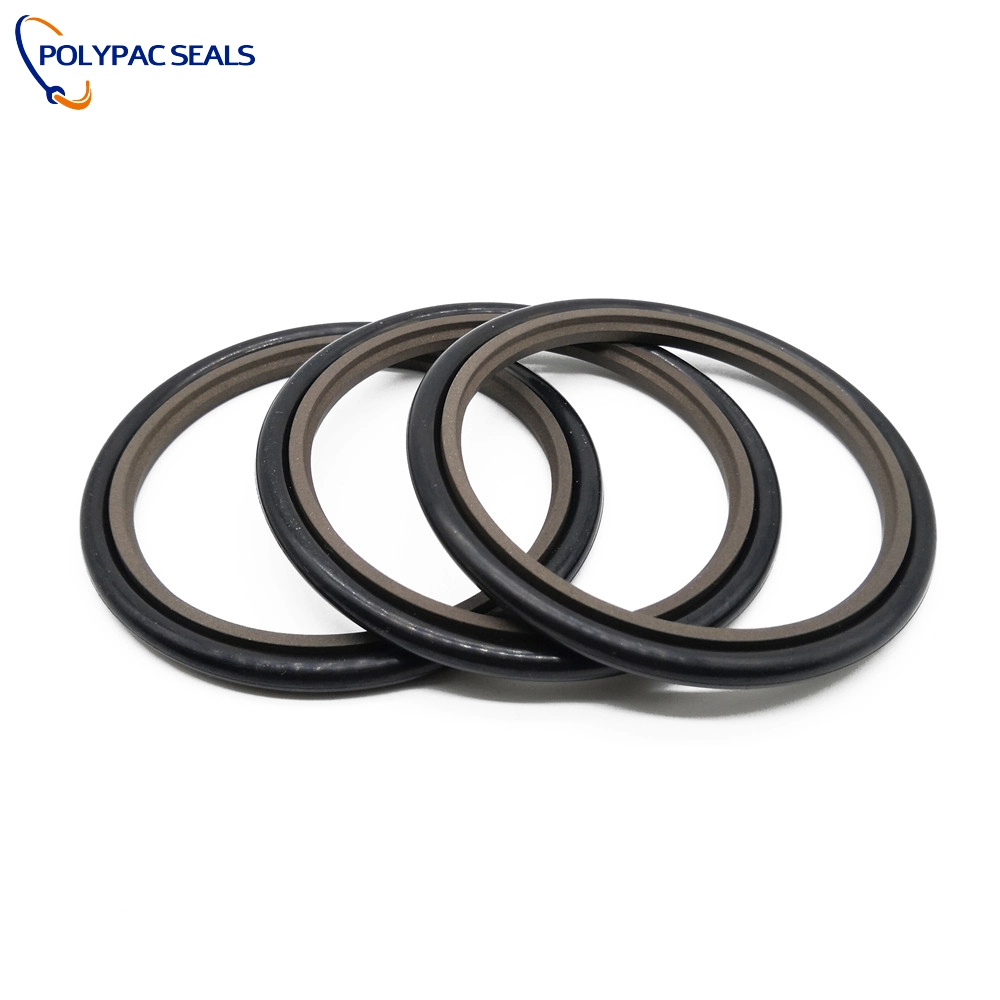
Pneumatic piston seals are designed to operate effectively within specific pressure and temperature ranges. For instance, standard pneumatic piston seals typically handle pressures up to 1.6 MPa (232 psi) and temperatures ranging from -40°C to +85°C (-40°F to +185°F). However, specialized materials like PTFE (Teflon) piston seals can withstand pressures up to 400 bar (5,800 psi) and temperatures from -50°C to +200°C (-58°F to +392°F). It's crucial to select seals that match the specific operating conditions of your pneumatic system to ensure optimal performance and longevity.
2. How do material choices impact the performance of pneumatic piston seals?
The material selection for pneumatic piston seals significantly influences their performance, durability, and compatibility with various operating conditions. Materials such as polyurethane and FKM (fluorocarbon) are commonly used due to their wear resistance and ability to function in dry air environments. PTFE-based seals, often reinforced with fillers like bronze, carbon, or glass fiber, offer low friction and high chemical resistance, making them suitable for demanding applications. Additionally, materials like POM (Polyoxymethylene) and PEEK (Polyetheretherketone) provide enhanced mechanical properties and can operate at higher temperatures, expanding the range of applications for pneumatic piston seals.
3. What are the common installation challenges for pneumatic piston seals?
Proper installation of pneumatic piston seals is critical to prevent damage and ensure effective sealing. Common challenges include:
Surface Preparation: Ensuring that the sealing surfaces are free from burrs, sharp edges, and contaminants is essential to prevent seal damage during installation.
Correct Orientation: Installing the seal in the correct orientation is vital to maintain its sealing capabilities and prevent premature wear.
Lubrication: Applying appropriate lubrication can facilitate smoother installation and reduce friction during operation.
Avoiding Over-Compression: Excessive compression can deform the seal, leading to reduced effectiveness and potential failure.
Adhering to manufacturer guidelines and best practices during installation can mitigate these challenges and enhance seal performance.
4. How does contamination affect the longevity of pneumatic piston seals?
Contamination is a significant factor that can adversely affect the longevity and performance of pneumatic piston seals. Common contaminants include:
Particulate Matter: Dirt, metal particles, and other debris can score the sealing surfaces, leading to leaks and reduced efficiency.
Moisture: Water vapor can cause corrosion and degrade seal materials, compromising their integrity.
Chemical Exposure: Exposure to aggressive chemicals can lead to material degradation, swelling, or hardening of the seal.
Implementing effective filtration systems, maintaining clean operating environments, and selecting seals compatible with the specific media can help mitigate the impact of contamination.
5. What maintenance practices are essential for extending the service life of pneumatic piston seals?
Regular maintenance is crucial to extend the service life of pneumatic piston seals. Key practices include:
Routine Inspections: Regularly check for signs of wear, damage, or leakage to identify issues early.
Lubrication Management: Ensure that seals are adequately lubricated to reduce friction and wear, but avoid over-lubrication, which can attract contaminants.
Contamination Control: Implement measures to prevent the ingress of contaminants, such as using filters and maintaining clean operating conditions.
Prompt Replacement: Replace seals at the first sign of deterioration to prevent system failures and maintain optimal performance.
Adhering to a proactive maintenance schedule can significantly enhance the reliability and longevity of pneumatic piston seals.
6. How do environmental factors influence the selection and performance of pneumatic piston seals?
Environmental factors play a pivotal role in the selection and performance of pneumatic piston seals. Considerations include:
Temperature Extremes: Operating in environments with high or low temperatures requires seals made from materials that can withstand such conditions without degrading.
Chemical Exposure: Exposure to specific chemicals necessitates the use of seals compatible with those substances to prevent material degradation.
Humidity and Moisture: High humidity levels can lead to corrosion and material swelling, affecting seal performance.
UV Radiation: UV exposure can cause certain materials to degrade, leading to brittleness and failure.
Selecting seals based on the specific environmental conditions ensures optimal performance and extends service life.
In conclusion, understanding the technical specifications, material properties, installation practices, and maintenance requirements of pneumatic piston seals is essential for ensuring optimal performance and longevity in pneumatic systems. By addressing these considerations, you can enhance the reliability and efficiency of your pneumatic applications.
For a personalized quote or further assistance, please contact us at sales2@dmsseals.com or visit our website at www.polypacseals.com.


Products
What does "AS568" mean?
How can I prevent seal damage during installation?
Can I reuse a seal?
How do I choose the right material for my sealing application?
What is the difference between a static seal and a dynamic seal?
Stay Updated with Industry Insights
Subscribe to our articles and receive the latest news, expert guidance, and technical updates directly in your E-mail.
Rest assured that your privacy is important to us, and all information provided will be handled with the utmost confidentiality.

Polypac is a trusted global supplier of high-performance sealing solutions, providing OEM & ODM services for industries worldwide.
E-mail:
sales2@dmsseals.com
Phone/WhatsApp:
© 2025 Polypac Seals. All Rights Reserved.
dms
DMS
DMS