












Can PTFE scraper seals handle abrasive slurry applications?
1. What are the primary advantages of using PTFE scraper seals in industrial applications?
PTFE scraper seals offer several notable benefits:
Chemical Resistance: PTFE is impervious to almost all industrial chemicals, making it ideal for corrosive environments.
Temperature Tolerance: PTFE maintains excellent sealing performance under extreme temperatures, with a continuous working range from -200°C to +260°C.
Low Friction Coefficient: PTFE has one of the lowest friction coefficients among solid materials, reducing wear and extending seal life.
Non-Stick Properties: Its low surface energy prevents contaminants from adhering, ensuring cleaner operation.
Electrical Insulation: PTFE provides excellent electrical insulation, beneficial in applications requiring dielectric properties.
2. What are the limitations of PTFE scraper seals in abrasive slurry applications?
While PTFE scraper seals have advantages, they also present certain challenges:
Lack of Elasticity: PTFE's rigidity means it doesn't conform well to surface imperfections, potentially leading to leakage.
Cold Flow (Creep): Under sustained pressure, PTFE can deform permanently, compromising the seal over time.
Installation Challenges: The material's stiffness can make installation more complex, requiring precise handling to avoid damage.
Wear Resistance: Pure PTFE has lower wear resistance, which can be a concern in abrasive environments.
3. How do PTFE scraper seals perform in abrasive slurry applications?
PTFE scraper seals are generally not recommended for abrasive slurry applications due to their susceptibility to wear and cold flow. In such environments, materials with higher wear resistance and elasticity are preferred to ensure effective sealing and longevity.
4. What are the best practices for installing PTFE scraper seals?
To ensure optimal performance and longevity of PTFE scraper seals:
Surface Preparation: Ensure sealing surfaces are smooth and free from contaminants to facilitate a proper seal.
Proper Handling: Handle seals carefully to prevent deformation or damage during installation.
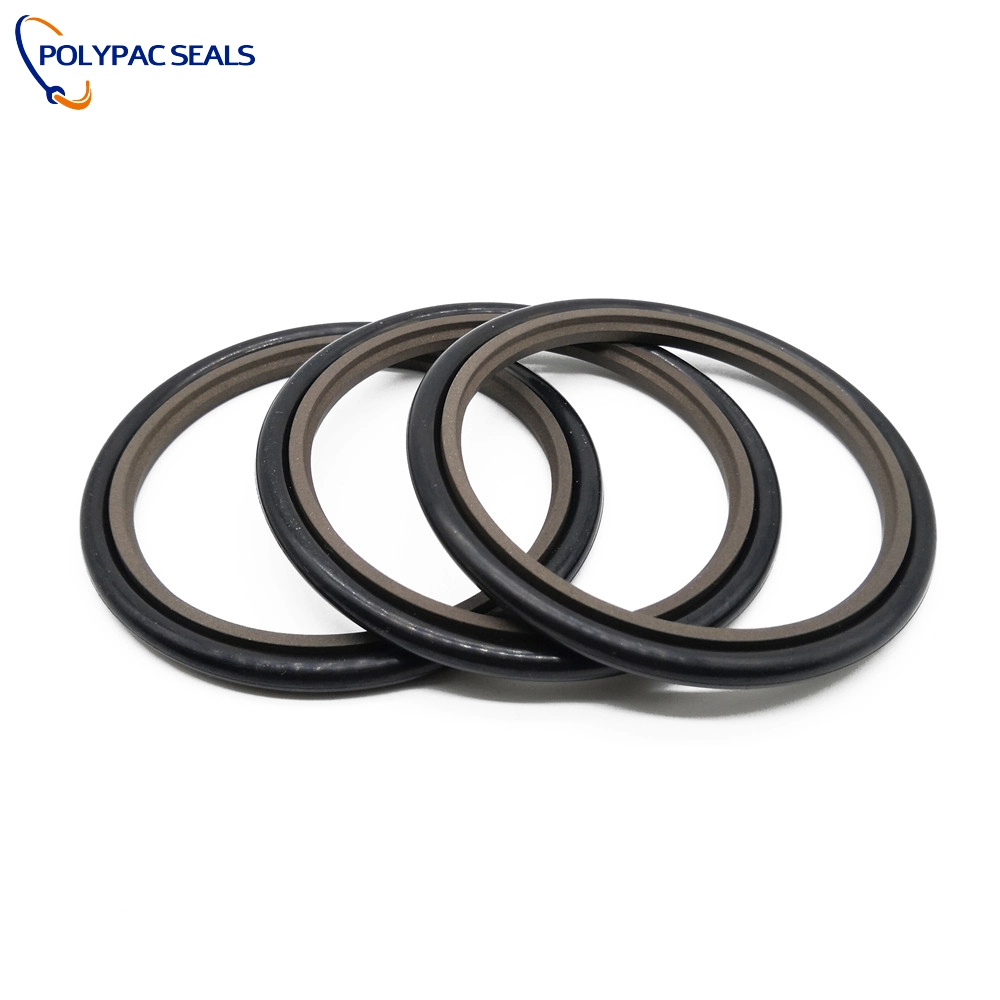
Use of Energizers: Incorporate energizers, such as elastomeric O-rings, to provide the necessary force for the PTFE seal to conform to sealing surfaces.
Temperature Control: Be mindful of the operating temperature range to prevent thermal expansion issues.
5. Are there alternative materials to PTFE scraper seals for abrasive slurry applications?
Yes, materials such as nitrile rubber (NBR) or polyurethane are often preferred for abrasive slurry applications due to their higher wear resistance and elasticity, which are better suited to handle the challenges posed by abrasive media.
6. How can the performance of PTFE scraper seals be enhanced in challenging applications?
To improve the performance of PTFE scraper seals in demanding environments:
Material Enhancement: Use filled PTFE compounds, such as those filled with bronze or carbon graphite, to improve compressive strength and wear resistance.
Design Optimization: Incorporate design features that accommodate thermal expansion and provide support to the seal, reducing the risk of cold flow.
Regular Maintenance: Implement a maintenance schedule to monitor seal condition and replace seals before failure occurs.
In conclusion, while PTFE scraper seals offer several advantages, their limitations in abrasive slurry applications necessitate careful consideration and, in many cases, the selection of alternative materials better suited to such environments.
For a comprehensive solution tailored to your specific sealing needs, contact us at (mailto:sales2@dmsseals.com) or visit our website at (http://www.polypacseals.com).


Products
When should I use a spring-energized seal instead of a standard elastomeric seal?
Can I reuse a seal?
How can I prevent seal damage during installation?
What is the difference between a static seal and a dynamic seal?
What is the difference between NBR and FKM materials?
Stay Updated with Industry Insights
Subscribe to our articles and receive the latest news, expert guidance, and technical updates directly in your E-mail.
Rest assured that your privacy is important to us, and all information provided will be handled with the utmost confidentiality.

Polypac is a trusted global supplier of high-performance sealing solutions, providing OEM & ODM services for industries worldwide.
E-mail:
Phone/WhatsApp:
© 2025 Polypac Seals. All Rights Reserved.
dms
DMS
DMS