












What are the benefits of PTFE seal material for industrial use?
1. What makes PTFE seal materials chemically inert, and how does this benefit industrial applications?
PTFE, or polytetrafluoroethylene, is renowned for its exceptional chemical resistance. This inertness stems from its molecular structure, where carbon-fluorine bonds are among the strongest in organic chemistry, rendering it impervious to most industrial chemicals, including strong acids, bases, and solvents. This property ensures that PTFE seals maintain their integrity and functionality in aggressive chemical environments, making them ideal for applications in chemical processing, pharmaceuticals, and food industries where contamination risks are high. For instance, PTFE seals prevent contamination in pharmaceutical and food processing industries, safeguarding product purity throughout manufacturing processes.
2. How does PTFE's wide temperature tolerance enhance its performance in extreme conditions?
PTFE exhibits remarkable thermal stability, maintaining its mechanical properties across a broad temperature range, typically from -200°C to +260°C (-328°F to +500°F). This wide operating window allows PTFE seals to function effectively in both cryogenic and high-temperature applications without becoming brittle or deforming. For example, PTFE seals are utilized in high-temperature steam systems, effectively addressing issues of aging and leakage common with traditional rubber seals, thereby significantly improving system reliability.
3. In what ways do PTFE seals' low friction and non-stick properties contribute to equipment longevity?
PTFE's low coefficient of friction reduces wear and tear on sealing surfaces, leading to extended service life of both the seals and the equipment they protect. Its non-stick surface prevents the accumulation of contaminants, reducing maintenance needs and downtime. This is particularly beneficial in dynamic sealing applications, such as in bearings, gears, and other moving components, where PTFE's self-lubricating properties enhance operational efficiency.
4. What are the limitations of PTFE seals, and how can they be addressed in sealing applications?
Despite their advantages, PTFE seals have certain limitations. They are susceptible to creep, or cold flow, under sustained pressure, which can lead to seal deformation over time. Additionally, PTFE lacks elastic memory, meaning it does not return to its original shape after compressive load is removed. To mitigate these issues, PTFE seals are often designed with spring-energized components or filled with materials like glass fiber or graphite to enhance their mechanical properties and reduce creep.
5. How do filled PTFE seals compare to unfilled PTFE seals in terms of performance?
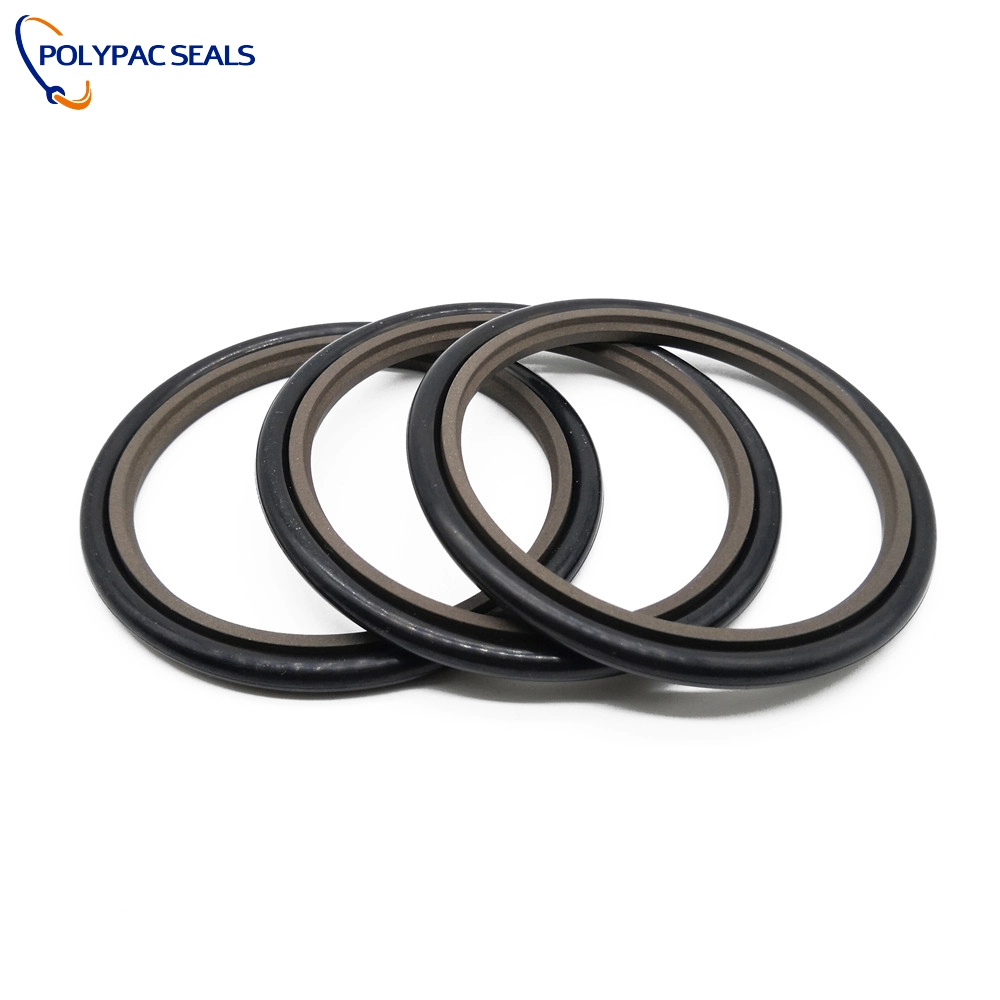
Filled PTFE seals incorporate materials such as glass fiber, graphite, or bronze to enhance specific properties. For example, glass fiber-filled PTFE improves wear resistance and compressive strength, making it suitable for high-pressure applications. Graphite-filled PTFE enhances thermal conductivity and lubrication properties, reducing friction and wear. Bronze-filled PTFE increases load-bearing capacity and wear resistance, ideal for applications requiring higher strength and durability. These enhancements allow filled PTFE seals to meet the demands of more challenging sealing environments.
6. What are the key considerations when selecting PTFE seals for a specific industrial application?
When choosing PTFE seals, it's crucial to consider factors such as the chemical compatibility of the sealing material with the process fluids, the operating temperature range, the pressure conditions, and the mechanical stresses involved. Additionally, the presence of dynamic or static sealing requirements, the potential for contamination, and the need for compliance with industry standards (e.g., FDA approval for food applications) should be evaluated. Consulting with sealing experts and conducting thorough material compatibility assessments can ensure optimal seal performance and longevity in the intended application.
In conclusion, PTFE seal materials offer unparalleled advantages in industrial sealing applications, including exceptional chemical resistance, wide temperature tolerance, low friction, and long-term durability. By understanding their properties and limitations, and by selecting the appropriate type of PTFE seal for specific applications, industries can achieve enhanced equipment performance, reduced maintenance costs, and improved operational efficiency.
For a personalized quote or more information on PTFE seal solutions tailored to your needs, please contact us at sales2@dmsseals.com or visit our website at www.polypacseals.com.


Products
What is the difference between NBR and FKM materials?
What is the difference between a static seal and a dynamic seal?
Why did my O-ring fail prematurely?
What does "AS568" mean?
What is the purpose of the metal spring in a rotary shaft seal?
Stay Updated with Industry Insights
Subscribe to our articles and receive the latest news, expert guidance, and technical updates directly in your E-mail.
Rest assured that your privacy is important to us, and all information provided will be handled with the utmost confidentiality.

Polypac is a trusted global supplier of high-performance sealing solutions, providing OEM & ODM services for industries worldwide.
E-mail:
sales2@dmsseals.com
Phone/WhatsApp:
© 2025 Polypac Seals. All Rights Reserved.
dms
DMS
DMS