












Are PTFE seals customizable for specialty OEM designs?
PTFE (Polytetrafluoroethylene) seals are renowned for their exceptional properties, making them a preferred choice in various sealing applications. This article delves into the advantages, customization possibilities, and important considerations when incorporating PTFE seals into specialty OEM designs.
What Are PTFE Seals and Their Key Advantages?
PTFE seals are sealing components made from PTFE, a synthetic fluoropolymer known for its unique combination of properties. The primary advantages of PTFE seals include:
Chemical Resistance: PTFE is highly inert and can withstand a broad range of corrosive substances, including strong acids, bases, organic solvents, and even reactive chemicals. This makes PTFE seals suitable for sealing applications in industries such as chemical processing, pharmaceuticals, oil and gas, and many others, where exposure to aggressive fluids is common.
High-Temperature Resistance: PTFE seals can handle temperatures as high as 260°C (500°F) without breaking down, making them ideal for high-temperature applications.
Low Friction Coefficient: PTFE has an extremely low coefficient of friction, making PTFE seals self-lubricating. This property helps in reducing wear and tear and extends the lifespan of the seal.
Excellent Sealing Performance: PTFE seals provide excellent sealing performance, ensuring leakage-free operation. The flexibility of the PTFE material allows for easy accommodation of shaft misalignments, vibrations, and thermal expansions that may occur during operation.
Versatility: PTFE seals offer versatility in terms of their application. They can be used in various equipment and systems, including rotary shafts, pumps, mixers, agitators, and many more.
Are PTFE Seals Customizable for Specialty OEM Designs?
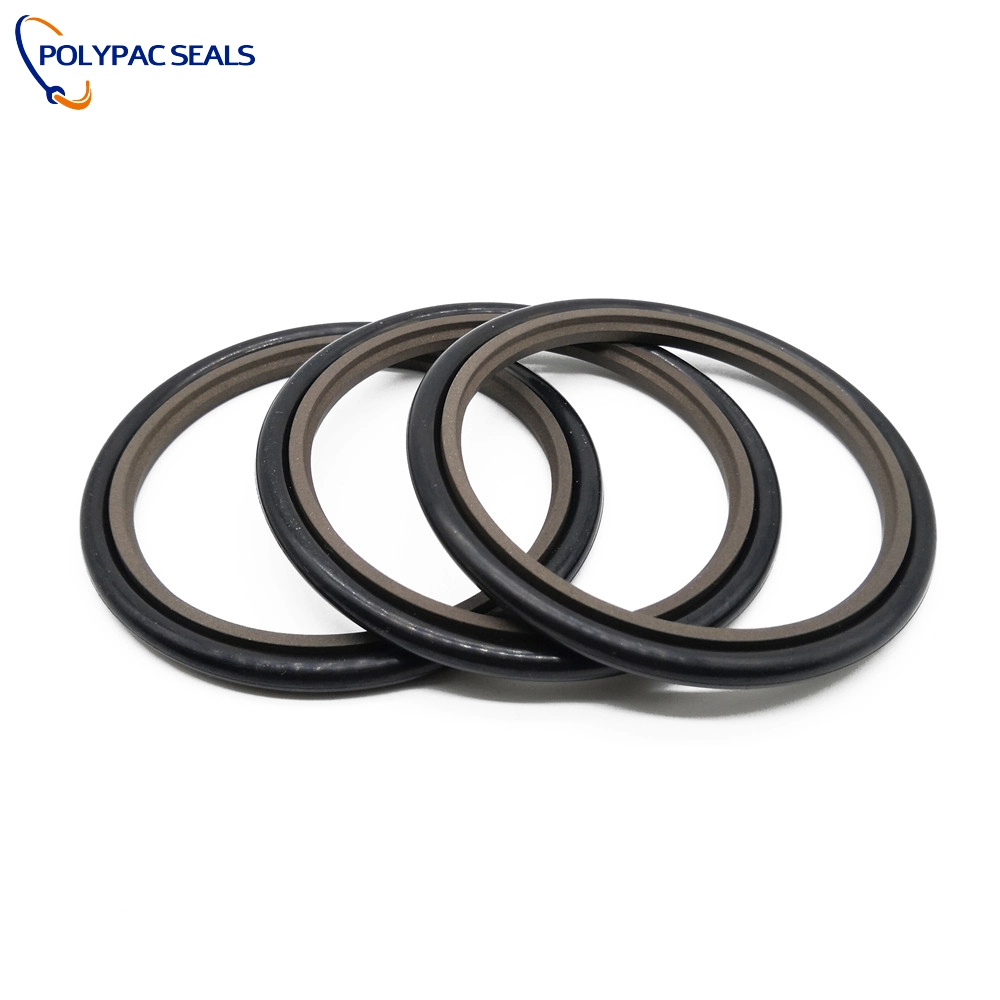
Yes, PTFE seals can be customized to meet the specific requirements of specialty OEM designs. Manufacturers can tailor PTFE seals in terms of size, shape, material composition, and additional features to ensure optimal performance in unique applications. For instance, custom-compounded PTFE blends can be developed for unique environments, and engineering support can be provided for groove design and material selection.
What Are the Limitations of PTFE Seals?
While PTFE seals offer numerous advantages, they also have certain limitations:
Mechanical Strength: PTFE has relatively low mechanical strength compared to other sealing materials like metals or reinforced elastomers. Under high loads or pressures, PTFE seals can deform, leading to seal failure or leakage.
Cold Flow Sensitivity: PTFE is sensitive to cold flow, which refers to the permanent deformation of the material under constant stress over time. This characteristic can lead to a reduction in the sealing efficiency of PTFE seals.
Wear Resistance: Despite their low coefficient of friction, PTFE seals have limited resistance to wear when compared to other seal materials like carbon or graphite. In applications with high-speed rotation or abrasive conditions, the PTFE material may experience gradual wear and require regular maintenance or replacement to ensure optimal sealing performance.
Cost Considerations: PTFE seals can be more expensive compared to other seal options available in the market. This higher cost is often justified by the superior performance and durability of PTFE seals in various challenging sealing applications.
How to Ensure Optimal Performance of PTFE Seals?
To maximize the performance and longevity of PTFE seals, consider the following best practices:
Proper Installation: Ensure that the groove design accounts for PTFE’s lack of elasticity and cold flow. Use compatible lubricants to reduce installation friction and risk of cracking.
Regular Maintenance: Regularly inspect seals for deformation, creep, or damage and replace as needed. Employ backup rings in high-pressure applications to prevent extrusion and creep.
Material Selection: Choose the appropriate PTFE blend or consider alternative materials like spring-energized seals when PTFE alone cannot provide adequate sealing.
Conclusion: Why Choose Polypac for Your PTFE Sealing Needs?
Polypac offers a comprehensive range of PTFE sealing solutions tailored to meet the specific requirements of your applications. With expertise in custom PTFE seal manufacturing, Polypac ensures high-quality products that deliver reliable performance, durability, and cost-effectiveness. Partnering with Polypac guarantees access to innovative sealing technologies and dedicated customer support, making them a trusted choice for your sealing needs.
References
Advantages and Disadvantages of PTFE O-Rings. Eclipse Seal. (https://www.eclipseseal.com/advantages-disadvantages-of-ptfe-o-rings-a-complete-guide)
Advantages and Limitations of PTFE Bellows Seals. Lepu Seal. (https://www.lepuseal.com/a-news-advantages-and-limitations-of-ptfe-bellows-seals.html)
Advantages and Disadvantages of PTFE Gaskets – A Guide. Goa Polymer. (https://www.goapolymer.com/advantages-disadvantages-of-ptfe-gaskets/)
What Are The Disadvantages Of Mechanical Seals With PTFE Rings? Key Limitations To Consider. Kintek. (https://kintek-solution.com/faqs/what-are-the-disadvantages-of-mechanical-seals-with-ptfe-rings)
Advantages of PTFE Seals. MSP Seals, Inc. (https://www.mspseals.com/news/advantages-of-ptfe-seals/)
Advantages and Limitations of PTFE Bellows Seals. Lepu Seal. (https://www.lepuseal.com/a-news-advantages-and-limitations-of-ptfe-bellows-seals.html)
SEO Information
Meta Title: PTFE Seals: Advantages, Customization, and Considerations
Meta Description: Explore the benefits, customization options, and key considerations of PTFE seals in specialty OEM applications, including their chemical resistance, temperature tolerance, and potential limitations.
Keywords: PTFE seals, advantages, customization, specialty OEM designs, chemical resistance, temperature tolerance, sealing performance, Polypac
URL Alias: ptfe-seals-advantages-customization


Products
What is the purpose of the metal spring in a rotary shaft seal?
What does "AS568" mean?
How can I prevent seal damage during installation?
Why did my O-ring fail prematurely?
How do I choose the right material for my sealing application?
Stay Updated with Industry Insights
Subscribe to our articles and receive the latest news, expert guidance, and technical updates directly in your E-mail.
Rest assured that your privacy is important to us, and all information provided will be handled with the utmost confidentiality.

Polypac is a trusted global supplier of high-performance sealing solutions, providing OEM & ODM services for industries worldwide.
E-mail:
Phone/WhatsApp:
© 2025 Polypac Seals. All Rights Reserved.
dms
DMS
DMS