












Are PTFE seals recyclable or environmentally friendly?
Understanding PTFE Seals: A Comprehensive Overview
Polytetrafluoroethylene (PTFE) seals are renowned for their exceptional chemical resistance, high-temperature stability, and low friction properties. These characteristics make them a preferred choice in various industries, including chemical processing, pharmaceuticals, and food manufacturing. However, like all materials, PTFE seals come with their own set of advantages and limitations. This guide delves into the key aspects of PTFE seals, addressing common questions and providing insights to assist professionals in the seal manufacturing industry during procurement decisions.
1. What Are the Key Advantages of PTFE Seals?
PTFE seals offer several notable benefits:
Chemical Resistance: PTFE is highly inert, effectively resisting a wide range of corrosive substances, including acids, alkalis, and solvents. This makes PTFE seals ideal for applications in aggressive chemical environments.
High-Temperature Stability: PTFE seals can withstand temperatures ranging from -200°C to +260°C (-328°F to +500°F) without significant degradation, ensuring reliable performance in both cryogenic and high-temperature applications.
Low Friction Coefficient: The smooth surface of PTFE seals reduces friction, leading to decreased wear and extended service life.
Electrical Insulation: PTFE possesses excellent dielectric properties, making it suitable for electrical insulation applications.
2. What Are the Limitations of PTFE Seals?
Despite their advantages, PTFE seals have certain drawbacks:
Limited Mechanical Strength: PTFE is relatively soft and can deform under high mechanical loads, which may lead to leakage in heavy-duty applications.
Sensitivity to Cold Flow (Creep): Under sustained pressure, especially at elevated temperatures, PTFE can undergo slow, permanent deformation, potentially compromising the seal's integrity over time.
High Thermal Expansion: PTFE has a higher coefficient of thermal expansion compared to metals, which can affect seal performance in applications with significant temperature fluctuations.
3. Are PTFE Seals Environmentally Friendly and Recyclable?
PTFE is chemically inert and does not degrade easily, which means it is not biodegradable. However, PTFE seals can often be reused or recycled, depending on the material’s condition.
4. How Do PTFE Seals Compare to Elastomer Seals?
PTFE seals and elastomer seals each have their own set of advantages:
Chemical Resistance: PTFE seals offer superior chemical resistance compared to most elastomer seals, making them suitable for aggressive chemical environments.
Temperature Tolerance: PTFE seals can operate over a broader temperature range, from cryogenic levels up to temperatures exceeding 200°C (392°F), without significant degradation.
Mechanical Strength: Elastomer seals generally provide better mechanical strength and can handle higher pressures and mechanical loads compared to PTFE seals.
5. What Are the Common Applications of PTFE Seals?
PTFE seals are widely used in various industries due to their unique properties:
Chemical Processing: PTFE seals are used in pipes, valves, and seals in chemical plants due to their strong chemical resistance.
Food Industry: PTFE seals prevent contamination and ensure tight seals in food-processing machines.
Pharmaceuticals: These seals are used in pharmaceuticals to seal safely and cleanly, avoiding contamination of sensitive products.
Automotive Industry: PTFE seals are common in engines and exhaust systems because they resist high temperatures well.
Energy Sector: They are used in the energy sector, including oil and gas pipelines, power plants, and other energy systems.
6. How Should PTFE Seals Be Installed and Maintained?
Proper installation and maintenance are crucial for the longevity of PTFE seals:
Groove Design: Ensure the groove is designed to account for PTFE’s lack of elasticity and cold flow.
Lubrication: Use compatible lubricants to reduce installation friction and the risk of cracking.
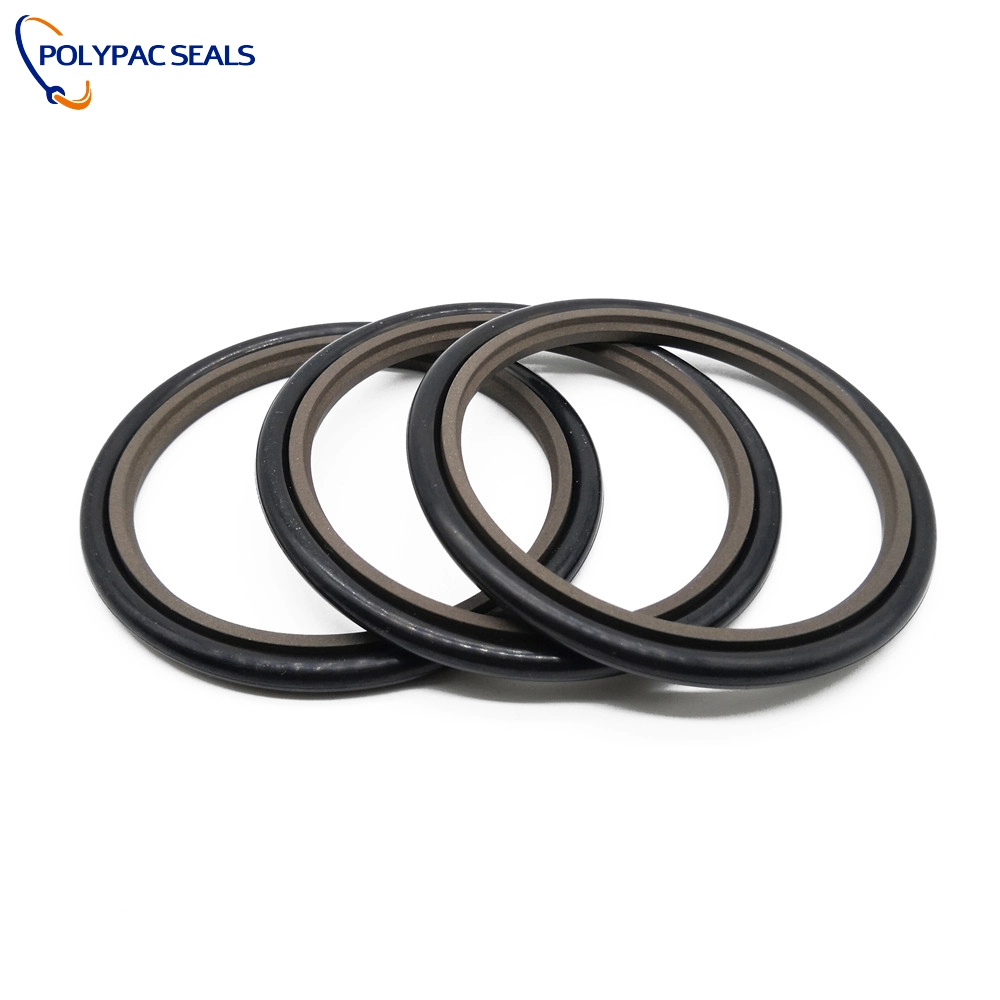
Backup Rings: Employ backup rings in high-pressure applications to prevent extrusion and creep.
Inspection & Replacement: Regularly inspect seals for deformation, creep, or damage and replace as needed.
7. When Should Spring-Energized Seals Be Used Instead of PTFE Seals?
Spring-energized seals may be more suitable than PTFE seals in certain applications:
Cryogenic Applications: In cryogenic applications where contraction reduces sealing force, spring-energized seals can maintain sealing force even under low pressures.
Vacuum Applications: For vacuum applications requiring reliable leak-tight sealing, spring-energized seals handle extreme dynamic applications better than plain PTFE O-rings.
Frequent Pressure Cycles: When system pressure cycles frequently, spring-energized seals resist creep deformation thanks to spring support.
8. What Are the Cost Considerations When Choosing PTFE Seals?
PTFE seals are generally more expensive than other sealing materials due to the cost of PTFE polymer. However, their durability and reliability often justify the higher initial investment, especially in applications where performance and longevity are critical.
Conclusion: Why Choose Polypac for Your Sealing Needs?
When selecting sealing solutions, it's essential to consider the specific requirements of your application. Polypac offers a range of high-quality PTFE seals designed to meet diverse industry needs. With a commitment to excellence and customer satisfaction, Polypac ensures that each seal is manufactured to the highest standards, providing reliable and efficient sealing solutions for your operations.
References:
Advantages and Disadvantages of PTFE O-Rings. Eclipse Seal.
Advantages and Disadvantages of PTFE Gaskets – A Guide. Goa Polymer.
What Are the PTFE Gasket Advantages and Disadvantages? Hongwo Sealing Gasket.
Advantages of PTFE Seals. MSP Seals, Inc.
Advantages and Limitations of PTFE Bellows Seals. Lepu Seal.
PTFE Seal Advantages Slick O Rings. Yoson Seals.
PTFE Rotary Seals Vs Elastomer Rotary Seals: Pros and Cons. DMS Seals.
What Are The Drawbacks Of Ptfe Seals? Key Limitations And Design Considerations. Kintek.


Products
How important is surface finish on the metal parts that contact the seal?
What is the difference between NBR and FKM materials?
When should I use a spring-energized seal instead of a standard elastomeric seal?
Why did my O-ring fail prematurely?
What is the difference between a static seal and a dynamic seal?
Stay Updated with Industry Insights
Subscribe to our articles and receive the latest news, expert guidance, and technical updates directly in your E-mail.
Rest assured that your privacy is important to us, and all information provided will be handled with the utmost confidentiality.

Polypac is a trusted global supplier of high-performance sealing solutions, providing OEM & ODM services for industries worldwide.
E-mail:
Phone/WhatsApp:
© 2025 Polypac Seals. All Rights Reserved.
dms
DMS
DMS