












How to select seals for high-speed rotary applications?
High-speed rotary applications, such as those found in electric motors, compressors, and turbines, demand seals that can withstand elevated temperatures, pressures, and rotational speeds. Selecting the appropriate rotary shaft seal is crucial to prevent leakage, reduce friction, and extend equipment lifespan.
Understanding Rotary Shaft Seals
Rotary shaft seals, also known as radial shaft seals, are designed to prevent the leakage of lubricants and the ingress of contaminants along rotating shafts. They consist of a flexible sealing lip that maintains contact with the shaft, typically in conjunction with a metal casing or housing. This design ensures effective sealing in dynamic environments.
Key Considerations for High-Speed Applications
When selecting seals for high-speed rotary applications, consider the following factors:
Shaft Speed and Pressure: High-speed operations generate significant centrifugal forces, which can lead to seal deformation and failure if not properly accounted for. Additionally, elevated pressures can exacerbate these effects. Therefore, seals must be designed to handle both high speeds and pressures effectively.
Temperature Resistance: Increased rotational speeds often result in higher operating temperatures. Selecting seals with materials that can withstand these temperatures is essential to maintain sealing integrity and prevent premature degradation.
Material Selection: The choice of material significantly influences the seal's performance. Materials like FKM (Viton®) and PTFE are commonly used in high-speed applications due to their excellent heat resistance and low friction properties. For instance, PTFE seals can handle circumferential speeds up to 100 m/s, making them suitable for extreme high-speed applications.
Seal Design: The design of the seal, including the number of sealing lips and the presence of spring energizers, affects its ability to maintain contact with the shaft and resist wear. For example, spring-loaded lip seals are often used in high-speed applications to ensure consistent sealing contact and accommodate slight shaft misalignments.
Common Types of Seals for High-Speed Applications
Spring Energized Seals: These seals feature a U-shaped machined performance polymer with spring energizers that provide force for the sealing lips. The springs help maintain constant contact with the shaft, creating a leak-tight seal and allowing the seal to accommodate slight misalignments.
PTFE Lip Seals with Metal Casing: PTFE lip seals are ideal for high-speed rotary applications with low to medium pressure. The metal casing ensures that the seal does not rotate with the shaft, minimizing friction between the sealing lips and the shaft.
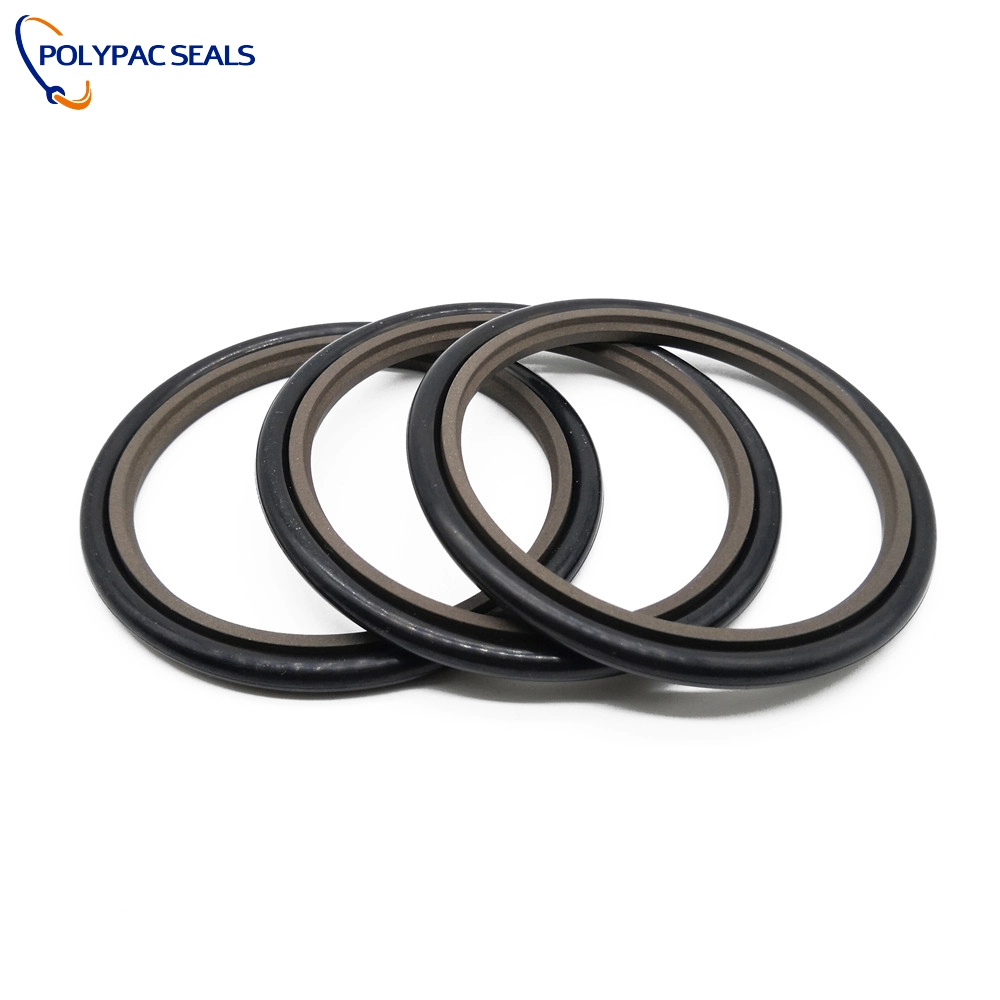
PTFE Lip Seals with O-Ring: These seals include an O-ring on the outer diameter to prevent the seal from rotating with the shaft. They are suitable for medium to high-speed applications with low-pressure operating environments.
Potential Issues with Incorrect Seal Selection
Using an inappropriate seal in high-speed applications can lead to several problems:
Thermal Degradation: Excessive heat can cause the sealing material to degrade, leading to loss of elasticity and sealing capability.
Leakage: Improper seals may fail to prevent lubricant loss or contamination ingress, compromising equipment performance.
Increased Friction: Inadequate seals can result in higher friction, leading to energy loss and potential overheating.
Noise and Vibration: Seal failures can cause operational instability, resulting in noise and vibration during operation.
Conclusion
Selecting the right rotary shaft seal for high-speed applications is vital to ensure equipment reliability and longevity. By considering factors such as shaft speed, pressure, temperature, material properties, and seal design, you can make informed decisions that enhance performance and reduce maintenance costs.
Polypac's Advantages
Polypac offers a comprehensive range of rotary shaft seals engineered for high-speed applications. Our seals are designed to withstand extreme conditions, providing reliable performance and extended service life. With a focus on quality materials and precision engineering, Polypac ensures that each seal meets the highest industry standards, making us a trusted partner for your sealing needs.
References
"Best Oil Seals For High-Speed Rotary Shafts | FKM & PTFE Seal Selection 2025". Hengoseal. Accessed December 15, 2025.
"High Speed Rotary Shaft Seals". Performance Sealing Inc. Accessed December 15, 2025.
"Rotary Shaft Seals". American High Performance Seals. Accessed December 15, 2025.
"Rotary Shaft Seals | Bal Seal® | Bal Seal Engineering". Bal Seal Engineering. Accessed December 15, 2025.
"What type of rotary seal is most commonly used in rotary shaft?" Parjet. Accessed December 15, 2025.
"Designing the Perfect Rotary Shaft Seal". Gallagher Seals. Accessed December 15, 2025.
"Rotary shaft seals for highly dynamic application". ElringKlinger Kunststoff. Accessed December 15, 2025.


Products
What is the difference between NBR and FKM materials?
What is the purpose of the metal spring in a rotary shaft seal?
How can I prevent seal damage during installation?
What does "AS568" mean?
How do I choose the right material for my sealing application?
Stay Updated with Industry Insights
Subscribe to our articles and receive the latest news, expert guidance, and technical updates directly in your E-mail.
Rest assured that your privacy is important to us, and all information provided will be handled with the utmost confidentiality.

Polypac is a trusted global supplier of high-performance sealing solutions, providing OEM & ODM services for industries worldwide.
E-mail:
Phone/WhatsApp:
© 2025 Polypac Seals. All Rights Reserved.
dms
DMS
DMS