












How do scraper seals differ from wiper seals?
Understanding Scraper Seals: Essential Insights for Seal Manufacturing Professionals
As a professional in the seal manufacturing industry, it's crucial to comprehend the various sealing components and their specific applications. One such component is the scraper seal, which plays a vital role in maintaining the integrity of hydraulic and pneumatic systems. This article delves into the key aspects of scraper seals, their differences from wiper seals, and their applications in seal manufacturing.
1. What Are Scraper Seals?
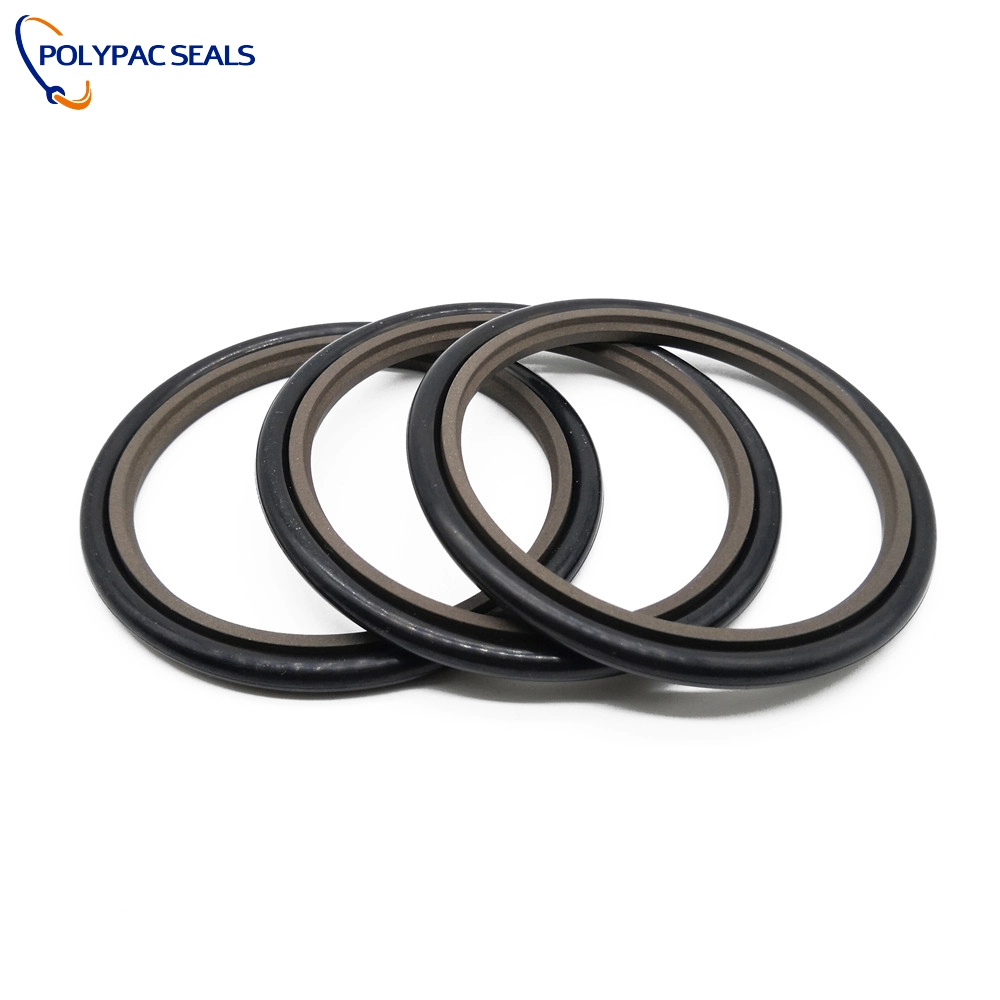
Scraper seals are exclusion seals designed to remove contaminants from the surface of a reciprocating shaft or rod. They are typically installed at the end of a cylinder to scrape off dirt, debris, moisture, and other foreign materials as the rod moves. This action prevents contaminants from entering the system, thereby protecting internal components from damage.
2. How Do Scraper Seals Differ from Wiper Seals?
While both scraper and wiper seals serve to protect systems from contaminants, they function differently:
Scraper Seals: These seals have a sharp edge that digs under foreign matter and lifts it from the shaft. They are particularly effective in removing heavy or tenacious materials.
Wiper Seals: Also known as dust seals, wiper seals are designed to prevent contaminants from entering the system by wiping away dirt, dust, and moisture from the rod's surface. They maintain a tight fit around the rod, ensuring that contaminants are kept out during both static and dynamic conditions.
3. What Materials Are Used in Scraper Seals?
The choice of material for scraper seals depends on the specific application and operating conditions. Common materials include:
Polyurethane (PU): Known for its high abrasion resistance and flexibility, making it suitable for heavy-duty applications like construction and mining.
Nitrile Butadiene Rubber (NBR): Offers excellent resistance to oils and fuels, ideal for use in hydraulic cylinders and piston rods.
Fluorocarbon Elastomers (FKM): Prized for their resistance to extreme temperatures and chemicals, perfect for demanding applications.
4. What Are the Applications of Scraper Seals in Seal Manufacturing?
Scraper seals are utilized in various applications within the seal manufacturing industry, including:
Hydraulic Cylinders: To prevent contaminants from entering the cylinder, thereby protecting internal components and ensuring smooth operation.
Pneumatic Cylinders: To maintain the cleanliness of the system by removing debris from the rod surface.
Heavy Machinery: In construction and mining equipment, scraper seals protect critical components from abrasive materials, extending the machinery's lifespan.
5. How Do Scraper Seals Contribute to System Longevity?
By effectively removing contaminants, scraper seals play a crucial role in:
Reducing Wear and Tear: Preventing abrasive particles from entering the system reduces the rate of wear on internal components.
Enhancing Performance: Maintaining a clean environment ensures that the system operates efficiently, reducing the likelihood of malfunctions.
Extending Equipment Life: By protecting against contamination, scraper seals help in prolonging the operational life of machinery and components.
6. What Are the Key Considerations When Selecting Scraper Seals?
When choosing scraper seals, consider the following factors:
Operating Conditions: Assess the temperature, pressure, and type of contaminants present in the application.
Material Compatibility: Ensure the seal material is compatible with the fluids and chemicals it will encounter.
Seal Design: Choose a design that effectively removes contaminants and fits the specific application requirements.
7. How Do Scraper Seals Impact Maintenance Practices?
Implementing scraper seals can lead to:
Reduced Maintenance Intervals: Less frequent need for maintenance due to decreased contamination-related issues.
Lower Maintenance Costs: Minimizing damage from contaminants reduces repair and replacement expenses.
Improved System Reliability: A cleaner system operates more reliably, leading to fewer unexpected downtimes.
8. What Are the Challenges Associated with Scraper Seals?
Some challenges include:
Material Selection: Choosing the right material that balances durability with flexibility can be complex.
Installation: Proper installation is crucial to ensure the seal functions effectively.
Compatibility: Ensuring the scraper seal is compatible with existing system components and operating conditions.
Conclusion: The Advantages of Polypac Seals
Polypac offers a range of high-quality scraper seals designed to meet the diverse needs of the seal manufacturing industry. Their products are known for:
Durability: Built to withstand harsh operating conditions, ensuring long-term performance.
Customization: Ability to tailor seals to specific application requirements.
Expertise: Backed by years of experience in the sealing industry, providing reliable solutions.
By choosing Polypac, you can enhance the efficiency and longevity of your sealing systems, leading to improved operational performance.
References:


Products
How important is surface finish on the metal parts that contact the seal?
What does "AS568" mean?
How do I choose the right material for my sealing application?
Can I reuse a seal?
When should I use a spring-energized seal instead of a standard elastomeric seal?
Stay Updated with Industry Insights
Subscribe to our articles and receive the latest news, expert guidance, and technical updates directly in your E-mail.
Rest assured that your privacy is important to us, and all information provided will be handled with the utmost confidentiality.
Polypac is a trusted global supplier of high-performance sealing solutions, providing OEM & ODM services for industries worldwide.
E-mail:
sales2@dmsseals.com
Phone/WhatsApp:
© 2025 Polypac Seals. All Rights Reserved.
dms
DMS
DMS