












What materials offer the longest life for scraper seals?
Understanding Scraper Seals: Materials, Lifespan, and Maintenance
Scraper seals play a crucial role in protecting hydraulic cylinders and other machinery by preventing the ingress of contaminants. Selecting the appropriate material and understanding maintenance practices are vital for ensuring their longevity and optimal performance. Below, we address common questions related to scraper seals to assist in informed decision-making.
1. What materials offer the longest life for scraper seals?
The longevity of scraper seals is significantly influenced by the material used. Key materials include:
Polyurethane (PU): Known for its exceptional abrasion resistance, PU seals are ideal for heavy-duty applications. They typically have a service life of 12–18 months.
Viton® (FKM): Offering high heat and chemical resistance, FKM seals are suitable for environments with elevated temperatures and aggressive fluids, with a lifespan of 10–20 years.
Fluorosilicone: These seals provide excellent chemical and fuel resistance, making them suitable for aerospace and laboratory applications, with a lifespan of 15–25 years.
Nitrile Butadiene Rubber (NBR): Cost-effective and compatible with mineral oils and greases, NBR seals have a service life of 3–7 years.
2. What factors affect the lifespan of scraper seals?
Several factors can influence the service life of scraper seals:
Contamination: The presence of dirt, debris, or other contaminants can cause abrasion and scoring on the seal surface, leading to premature failure. Regular cleaning and maintenance are essential to mitigate this risk.
Chemical Compatibility: Exposure to incompatible fluids can result in chemical attack on the seal material, causing swelling, softening, or cracking. It's crucial to ensure that the seal material is compatible with the operating fluids.
Temperature Extremes: Operating in environments with high or low temperatures can degrade seal materials. For instance, NBR seals have a maximum operating temperature around +100°C, beyond which they may lose their sealing properties. ((https://www.polypacseals.com/blog/scraper-seals-guide-2026-selection-types-longevity/))
Mechanical Stress: Excessive pressure, vibration, or misalignment can lead to seal deformation and failure. Proper installation and alignment are vital to prevent these issues.
3. How can I extend the service life of scraper seals?
To enhance the longevity of scraper seals:
Regular Maintenance: Implement a routine inspection schedule to identify and address issues such as contamination or wear before they lead to failure.
Proper Installation: Ensure that seals are installed correctly to prevent damage during assembly. Avoid using tools that can harm the seal, and follow manufacturer guidelines for installation.
Use Compatible Materials: Select seal materials that are compatible with the operating environment and fluids to prevent chemical degradation.
Control Operating Conditions: Maintain appropriate pressure, temperature, and alignment to reduce mechanical stress on the seals.
4. What are common issues with scraper seals, and how can they be addressed?
Common issues include:
Premature Wear: Caused by contamination or incorrect material selection. To address this, ensure regular cleaning and choose materials suited for the specific application.
Chemical Attack: Exposure to incompatible fluids can degrade seal materials. Verify chemical compatibility before selecting seal materials.
Installation Damage: Improper installation can damage seals. Follow proper installation procedures and avoid using tools that can harm the seal.
5. How do scraper seals contribute to the efficiency of hydraulic systems?
Scraper seals protect hydraulic cylinders by removing contaminants from the rod surface, preventing them from entering the cylinder and causing damage. This protection ensures smooth operation, reduces maintenance costs, and extends the service life of the equipment.
6. Are there advancements in scraper seal technology?
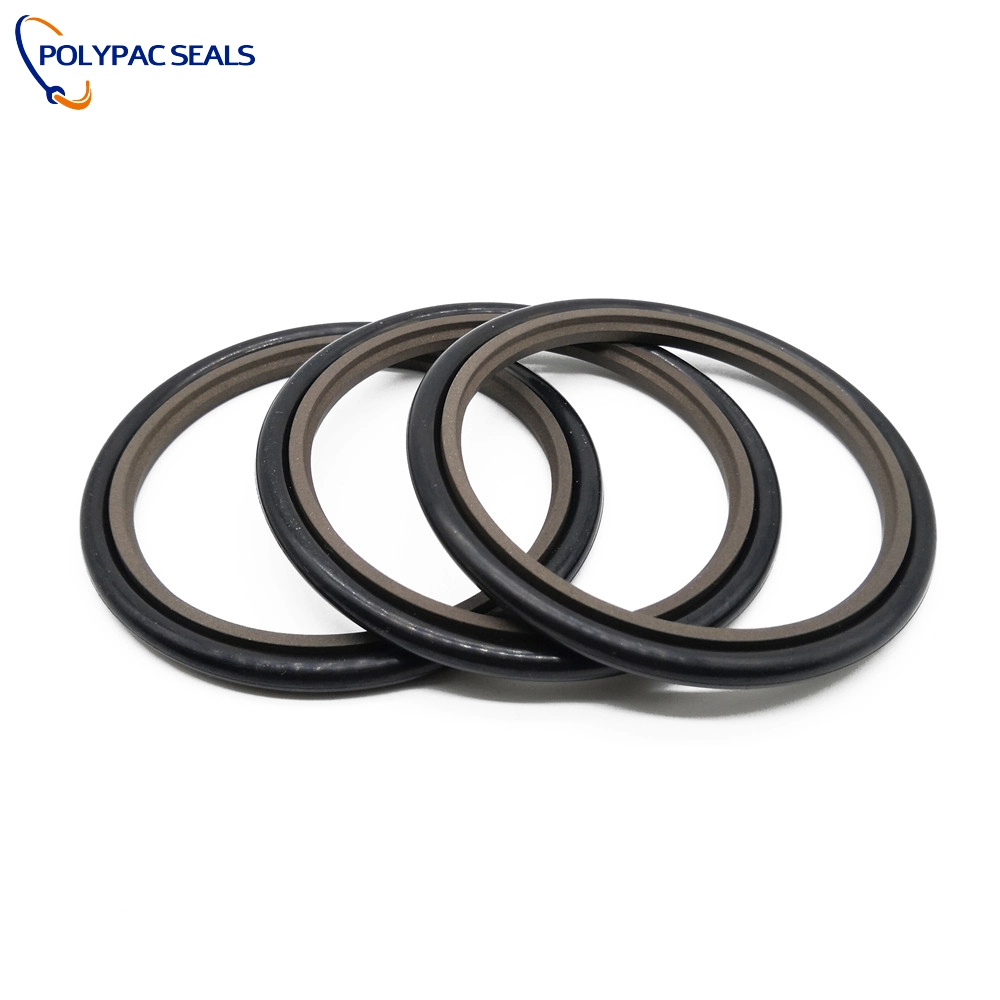
Yes, advancements include the development of materials with enhanced abrasion resistance, chemical compatibility, and temperature stability. Additionally, improved designs, such as double-acting O-Ring energized scrapers, offer better protection against contaminants and extend service life.
7. How do I select the appropriate scraper seal for my application?
Consider the following factors:
Operating Environment: Assess temperature ranges, exposure to chemicals, and potential contaminants.
Material Compatibility: Ensure the seal material is compatible with the operating fluids.
Mechanical Conditions: Evaluate pressure, speed, and alignment to select a seal that can withstand the mechanical stresses.
Maintenance Requirements: Choose seals that align with your maintenance capabilities and schedules.
8. What are the benefits of using high-quality scraper seals?
High-quality scraper seals offer:
Enhanced Durability: Longer service life reduces downtime and maintenance costs.
Improved Performance: Better protection against contaminants ensures efficient operation.
Cost Efficiency: Reduced frequency of replacements and repairs leads to overall cost savings.
Polypac: Your Trusted Partner in Scraper Seals
Polypac specializes in providing high-quality scraper seals designed to meet the demands of various industrial applications. Our products are engineered for durability, performance, and ease of maintenance, ensuring optimal protection for your equipment. ((https://www.polypacseals.com/article/scraper-seals-your-hydraulic-cylinder-s-first-line-of-defense-polypac/))
For more information on our scraper seal solutions, visit our website or contact our customer service team.
References:- ((https://www.polypacseals.com/article/scraper-seals-your-hydraulic-cylinder-s-first-line-of-defense-polypac/))


Products
What is the purpose of the metal spring in a rotary shaft seal?
What is the difference between NBR and FKM materials?
How can I prevent seal damage during installation?
How do I choose the right material for my sealing application?
Why did my O-ring fail prematurely?
Stay Updated with Industry Insights
Subscribe to our articles and receive the latest news, expert guidance, and technical updates directly in your E-mail.
Rest assured that your privacy is important to us, and all information provided will be handled with the utmost confidentiality.

Polypac is a trusted global supplier of high-performance sealing solutions, providing OEM & ODM services for industries worldwide.
E-mail:
Phone/WhatsApp:
© 2025 Polypac Seals. All Rights Reserved.
dms
DMS
DMS