










Enhance sealing efficiency: Select O-ring kits suitable for high-pressure environments
Hydraulic systems are unforgiving. A single seal failure at 3,000 PSI can result in catastrophic fluid loss, environmental hazards, and thousands of dollars in downtime. For maintenance professionals, relying on a standard "shelf" seal kit is a gamble that often ends in leaks. The solution lies in selecting a specialized high-pressure O-ring kit engineered to withstand the specific forces of hydraulic extrusion.
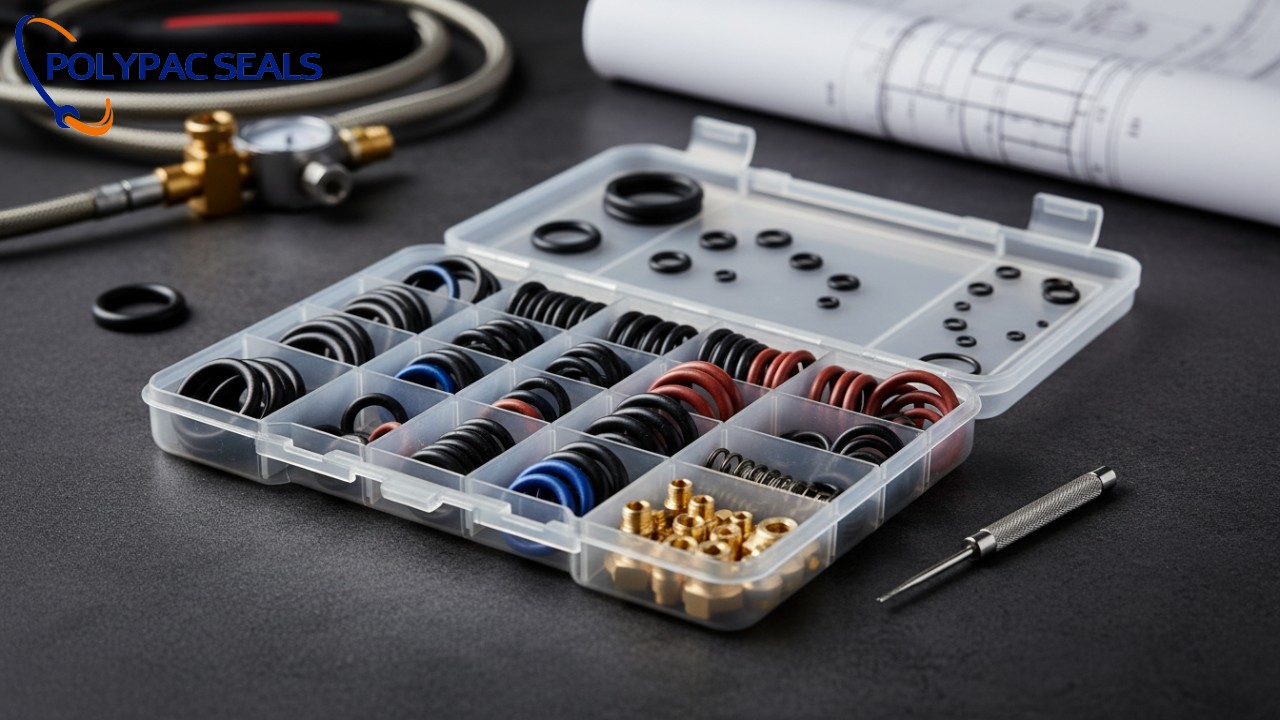
What defines a high-pressure O-ring kit?
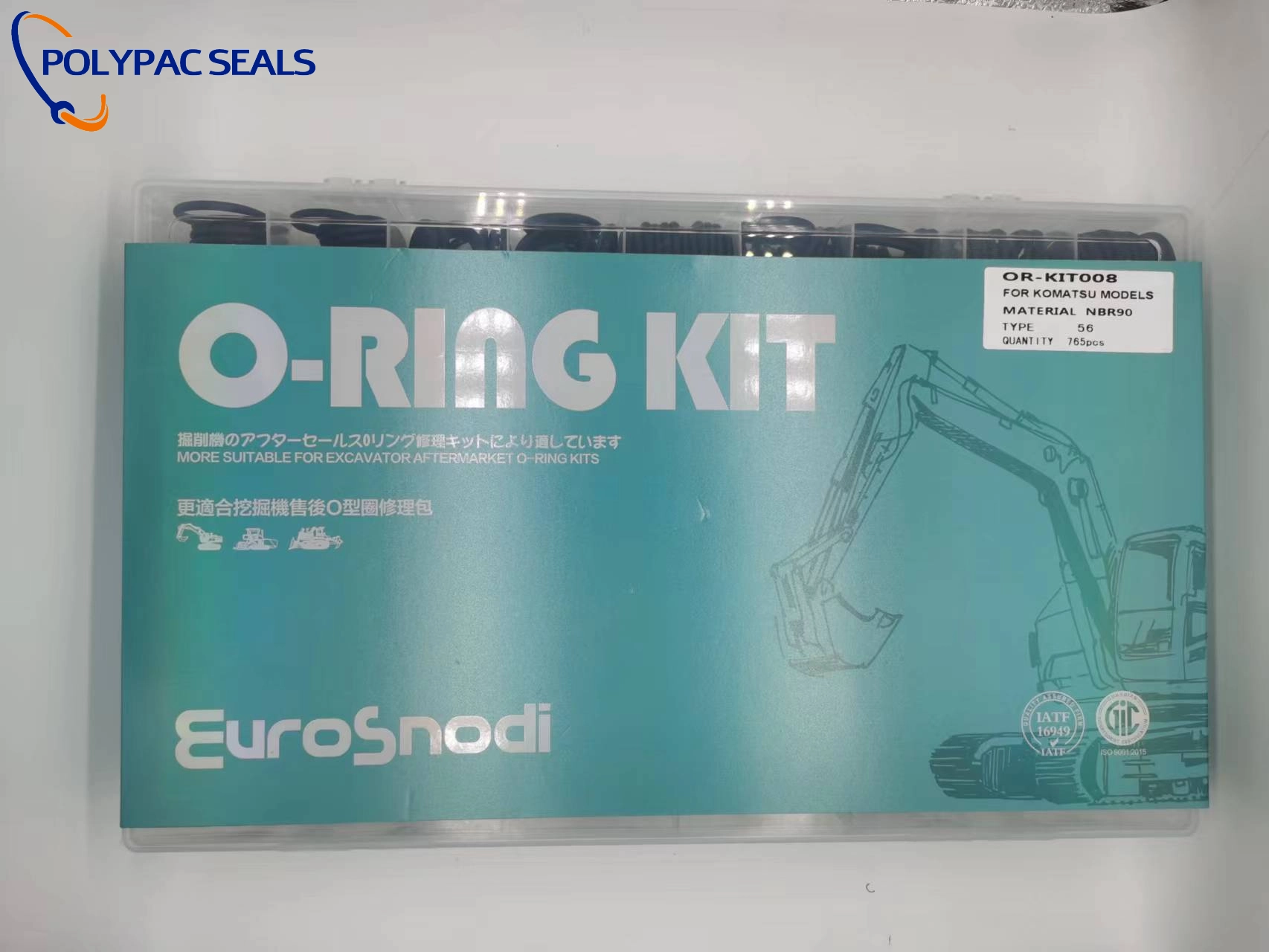
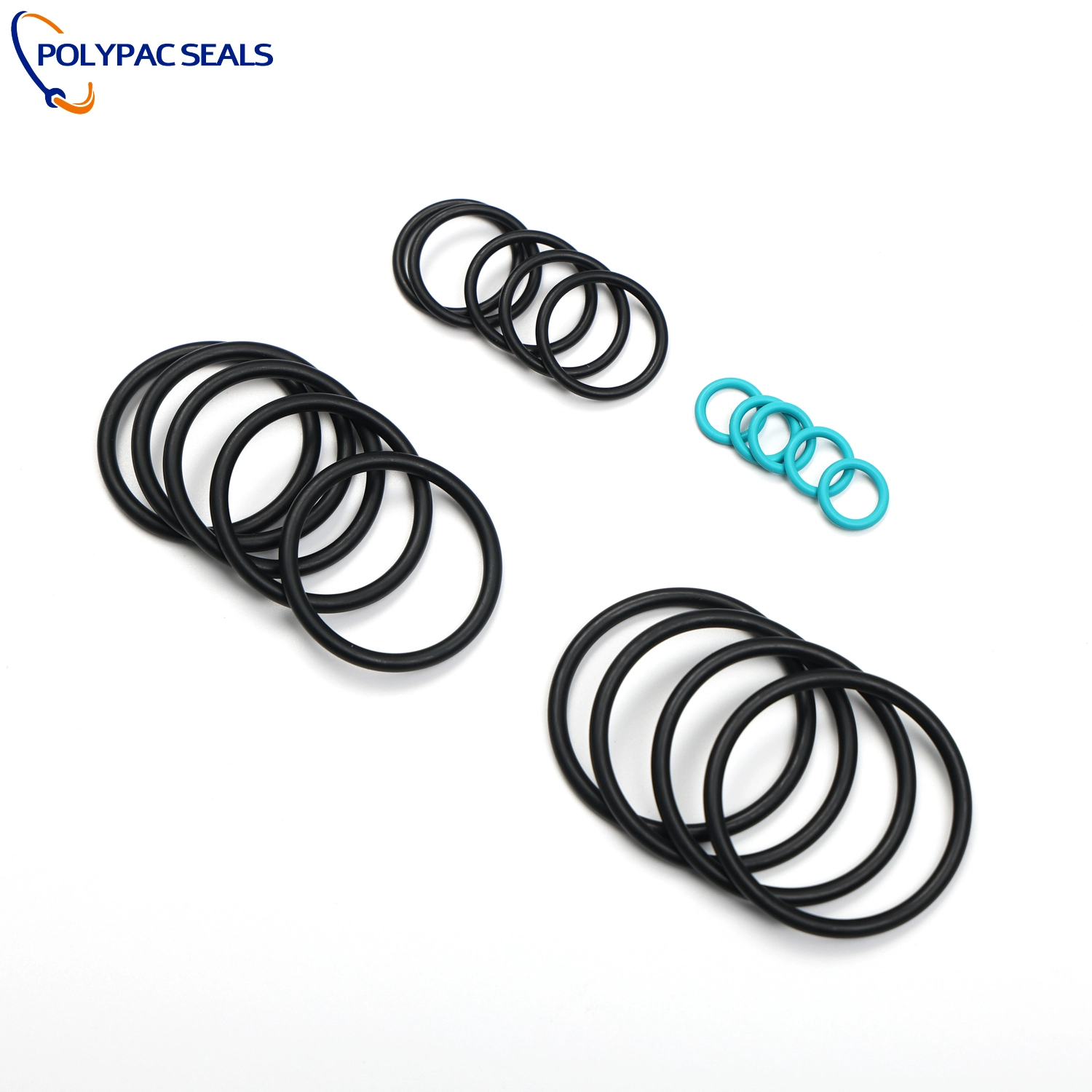
A high-pressure O-ring kit is a curated collection of sealing components explicitly designed to operate in systems exceeding 1,500 PSI (100 bar) without extruding into the hardware gap. Unlike standard kits that utilize 70 durometer rubber, these kits feature 90 durometer Shore A O-rings and structural backup rings to maintain seal integrity under load.
Standard O-rings function well in low-pressure static applications, but as pressure rises, the elastomer acts like a high-viscosity fluid. Without the correct modulus (stiffness), the seal is forced into the clearance gap between mating parts, leading to "nibbling" or shaving of the seal material. According to the Parker O-Ring Handbook, standard elastomers typically reach their limit around 1,500 PSI in dynamic applications unless specific design modifications—such as higher hardness or backup rings—are employed.
Core Components of a High-Pressure Kit
- High-Modulus Elastomers: Materials with a hardness of 90 Shore A to resist deformation.
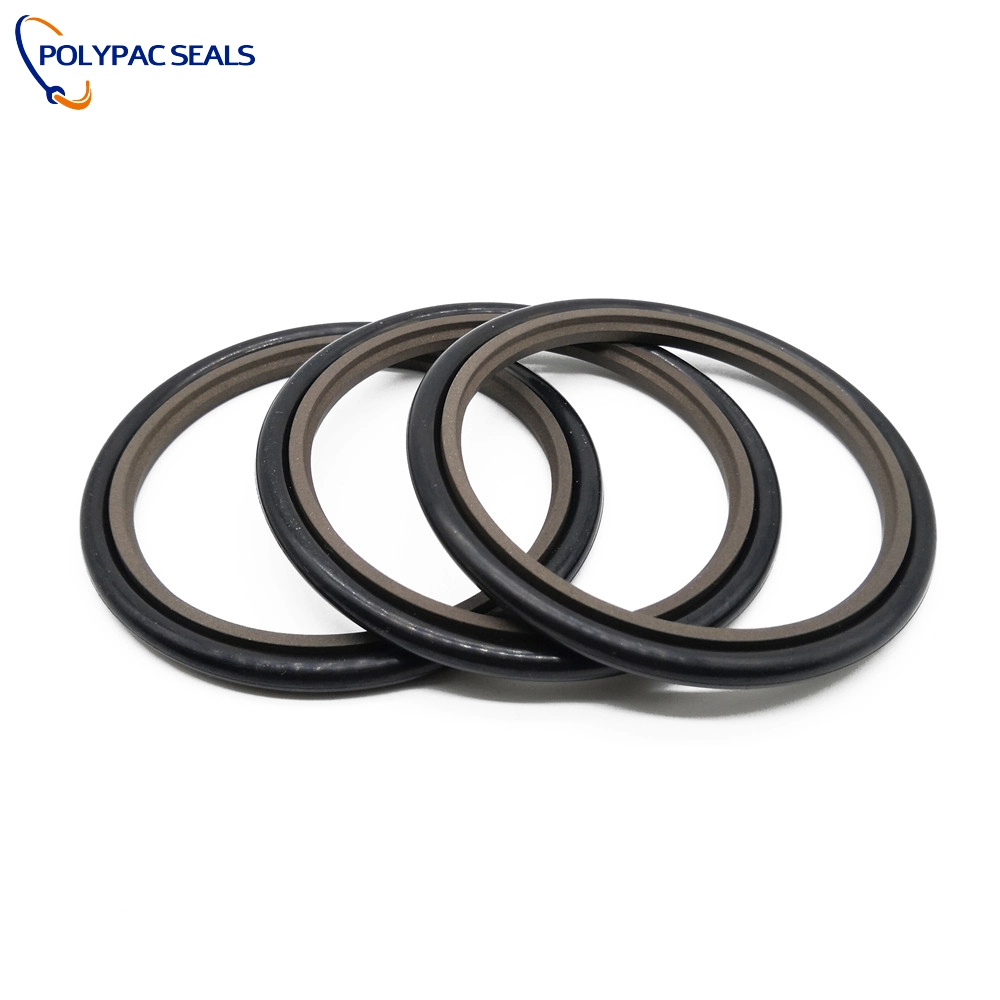
- Anti-Extrusion Backup Rings: Hard rubber or PTFE rings that close the extrusion gap.
- Dimensional Precision: Tighter tolerances to ensure proper squeeze in high-load glands.
Quick Summary: Key Essentials for Sealing Efficiency
To ensure sealing efficiency in high-pressure environments, you must prioritize hardness, support, and material compatibility over simple dimensional fit. If any of these three pillars is weak, the seal will fail regardless of how new it is.
Achieving a leak-free system requires a holistic approach to seal selection:
- Hardness: Standard 70 durometer rings are insufficient for high pressure; 90 durometer shore O-rings are the mandatory baseline to prevent extrusion.
- Support: Anti-extrusion backup rings are essential when extrusion gaps exceed recommended manufacturer tolerances (typically >0.005 inches at high pressure).
- Material: Chemical compatibility (e.g., FKM vs. NBR high pressure) is just as critical as the pressure rating itself.
- Organization: A well-organized kit reduces maintenance downtime by approximately 40% compared to sourcing individual parts during an emergency.
The Physics of Pressure: Extrusion and Gap Clearance
Extrusion occurs when system pressure forces the O-ring material into the clearance gap between the piston and the bore (or rod and gland), causing the material to shear off on the low-pressure side. This is the most common failure mode in hydraulic applications.
The resistance of an O-ring to this failure is determined by its hardness and the size of the gap. As defined by ASTM International standard D2240, durometer hardness measures the material's resistance to indentation. A higher durometer (90 vs 70) means the material is stiffer and less likely to flow into the gap.
Factors Influencing Extrusion Risk
- System Pressure: As pressure rises, the allowable gap decreases.
- Gap Clearance: The physical distance between metal parts; larger gaps require harder seals.
- Temperature: Higher temperatures soften rubber, effectively lowering its extrusion resistance.
- Cycle Rate: Rapid pressure spikes (water hammer) can cause fatigue failure in softer seals.
Material Selection: Beyond Standard NBR
Selecting the right material is a balance between pressure handling and fluid compatibility. While Nitrile is the industry standard, it is not the only option for high-pressure environments.
- NBR (Nitrile) 90 Duro: This is the cost-effective standard for petroleum-based hydraulic fluids. It offers excellent resistance to extrusion and wear but has a limited temperature range.
- FKM (Viton): When debating FKM vs NBR high pressure, choose FKM for environments involving high temperatures (>400°F) or aggressive chemicals. While slightly less abrasion-resistant than NBR, its thermal stability prevents softening under load.
- HNBR (Hydrogenated Nitrile): Provides superior tensile strength and abrasion resistance, making it ideal for dynamic high-pressure applications where standard NBR might tear.
- Polyurethane (AU/EU): Known for unbeatable toughness and extrusion resistance, often used in extreme pressure duties (up to 5,000+ PSI) where temperature permits.
The Anatomy of an Elite Hydraulic Seal Repair Kit
A professional hydraulic seal repair kit is defined not just by the rings it contains, but by the engineering behind them. Competitors often overlook the critical role of the backup ring, which acts as a hard barrier between the O-ring and the clearance gap.
At Polypac Industrial Technology Co., Ltd., we understand that a kit is only as good as its weakest component. A premium kit must address the specific geometry of the gland to ensure zero-leak performance.
What Competitors Miss
- The 'Backup' Factor: Your kit must include contoured or spiral-cut anti-extrusion backup rings (often PTFE or nylon) to prevent the O-ring from flowing into the hardware gap.
- Dimensional Standards: Ensure the kit matches your equipment origin (AS568 for US/Imperial vs. Metric ISO 3601 for European/Asian equipment).
- Storage & Shelf Life: UV-resistant packaging is critical. High-quality kits protect seals from ozone damage, which causes cracking before installation.
- Identification Tools: Premium kits include sizing cones or color-coded charts to distinguish between 70 and 90 durometer rings, which often look identical.
Expert Tips: Common High-Pressure Sealing Mistakes
Even with the correct high pressure o ring kit, installation errors can compromise the system. The most frequent issue is assuming that a harder O-ring can solve a hardware problem, such as a worn cylinder bore.
- Mistake 1: Ignoring "Cylinder Breathing." Under extreme pressure, cylinder tubes can expand, temporarily increasing the extrusion gap. If your seal isn't rated for this expanded gap, it will fail.
- Mistake 2: Using a 70 durometer O-ring with a backup ring when a single 90 durometer ring was required (or vice versa). Mismatching stiffness can lead to irregular wear.
- Mistake 3: Overlooking "Compression Set." If the O-ring doesn't recover its shape after the pressure is released, the seal is lost. Always check the cure date and material quality.
- Tip: Always lubricate the O-ring with compatible fluid before installation to prevent surface shearing and spiraling.
Future Trends & Cost-Benefit Analysis (2026+)
As industries move toward higher efficiency, hydraulic pressures are increasing. The cost of a seal failure is no longer just the part replacement; it is the operational downtime.
- The Cost of Failure: A premium kit may cost $200, while hydraulic system downtime can cost upwards of $10,000 per hour in heavy industries like mining or offshore drilling.
- Emerging Tech: "Smart Seals" with embedded sensors are entering the market, capable of monitoring pressure and wear in real-time to predict failure.
- Sustainability: Manufacturers are shifting towards eco-friendly, high-performance elastomers that offer longer service lives, reducing waste.
- Strategic Stocking: Maintaining an on-site inventory of high-pressure kits is becoming a critical asset management strategy to ensure immediate repair capabilities.
Industry-Leading Solutions: Ensuring Reliability
Reliability is manufactured, not found. Polypac Industrial Technology Co., Ltd. has been at the forefront of sealing innovation since 2008. With a factory covering over 10,000 square meters and 8,000 square meters dedicated to production, we control every aspect of the manufacturing process.
We don't just mold rubber; we engineer solutions. Our collaboration with numerous universities allows us to test raw materials rigorously. From standard 90 durometer Shore A O-rings to custom-engineered PTFE-filled seals, our products are verified using advanced testing equipment to ensure they meet the burst pressure limits required by modern industry.
- Consistent Quality: Our sourcing protocols ensure consistent durometer ratings across every batch.
- Advanced Testing: We utilize ISO-certified protocols to verify material performance under load.
- Case Study: We recently resolved a recurring failure for a heavy-industry client by customizing a kit that utilized specific FKM compounds to handle both high pressure and chemical aggression, eliminating weekly downtime events.
Conclusion: Securing Your Operations
Selecting the right high-pressure O-ring kit is a calculation of hardness, material science, and gap management. By investing in kits that offer verified 90 Shore A hardness and proper backup support, you protect your machinery from catastrophic extrusion failures. Proactive maintenance with the right kit ensures longevity and safety in high-stakes environments.
Contact Polypac today to discuss your specific needs and secure the reliability your operations demand.


Products
What does "AS568" mean?
How do I choose the right material for my sealing application?
How can I prevent seal damage during installation?
How important is surface finish on the metal parts that contact the seal?
Can I reuse a seal?
Stay Updated with Industry Insights
Subscribe to our articles and receive the latest news, expert guidance, and technical updates directly in your E-mail.
Rest assured that your privacy is important to us, and all information provided will be handled with the utmost confidentiality.
Polypac is a trusted global supplier of high-performance sealing solutions, providing OEM & ODM services for industries worldwide.
E-mail:
Phone/WhatsApp:
© 2025 Polypac Seals. All Rights Reserved.
dms
DMS
DMS