












How does temperature affect piston rod seal performance?
Piston rod seals are vital components in hydraulic systems, preventing fluid leakage and ensuring efficient operation. Understanding the factors that influence their performance is crucial for selecting the right seals and maintaining system reliability.
1. How does temperature affect piston rod seal performance?
Temperature variations can significantly impact the performance and longevity of piston rod seals. Extreme temperatures may cause seal materials to expand or contract, leading to potential leakage or seal failure. For instance, at temperatures between 200-450°F (93-232°C), Viton™ (FKM) seals are recommended, while temperatures ranging from 450-600°F (232-315°C) may require materials like Kalrez™ (FFKM), Silicone (VMQ), or Teflon™ (PTFE).
2. What are the key performance indicators for rod and piston seals?
The primary performance indicators for rod and piston seals include:
Leakage Rate: The amount of fluid that escapes past the seal.
Friction and Wear: The resistance between the seal and moving parts, affecting efficiency and longevity.
Pressure Resistance: The seal's ability to withstand operating pressures without failure.
Temperature Resistance: The seal's capacity to function effectively across a range of temperatures.
Chemical Compatibility: The seal's resistance to degradation when exposed to various fluids.
Dynamic and Static Sealing Performance: Effectiveness in both moving and stationary conditions.
Selecting seals that meet these indicators ensures optimal hydraulic system performance.
3. How do material choices affect the performance of rod seals?
Material selection is crucial for rod seal performance. Materials like polyurethane offer excellent abrasion resistance, while nitrile rubber is cost-effective but may have limitations in chemical compatibility. Fluorocarbon seals exhibit superior resistance to high temperatures and corrosive fluids, and PTFE seals provide exceptional chemical compatibility but may have limitations in wear resistance. Choosing the right material based on application requirements and fluid types is essential for seal longevity.
4. What are the common challenges in rod seal manufacturing?
Common challenges in rod seal manufacturing include:
Material Selection: Ensuring compatibility with operating conditions and fluids.
Precision Engineering: Achieving exact dimensions and tolerances for effective sealing.
Quality Control: Maintaining consistent quality to prevent defects and failures.
Cost Management: Balancing material quality and manufacturing costs.
Addressing these challenges is vital for producing reliable and durable rod seals.
5. How can extrusion resistance be improved in rod seals?
Extrusion resistance in rod seals can be enhanced by:
Material Selection: Using materials with high resistance to extrusion under pressure.
Seal Design: Incorporating back-up rings or anti-extrusion devices.
Surface Finish: Ensuring smooth rod surfaces to reduce extrusion risk.
Implementing these measures helps maintain seal integrity under high-pressure conditions.
6. What role does lubrication play in rod seal performance?
Lubrication reduces friction and wear between the seal and moving parts, extending seal life and improving performance. Proper lubrication also helps in dissipating heat and preventing seal degradation.
7. What are the benefits of using Polypac's rod seals?
Polypac offers a comprehensive range of rod seals designed to meet diverse application needs. With a focus on quality materials and precision engineering, Polypac ensures reliable and durable sealing solutions for various industries. ((https://www.polypacseals.com/rod-seal-pressure-temperature-limits/))
In conclusion, understanding the factors affecting piston rod seal performance, such as material selection, temperature impacts, and maintenance practices, is essential for ensuring the efficiency and longevity of hydraulic systems.
By considering these aspects and choosing high-quality seals like those offered by Polypac, you can optimize your system's performance and reliability.
References:
"How Hot is too Hot for your Cylinder Application?" Sheffer Corporation, July 31, 2018.
"Hydraulic Rod Seals: Factors Affecting Seal Life." DMS Seals Technology Co., Limited.
"What are the key performance indicators for rod and piston seals?" Kintoweseals, September 23, 2025.
"Rod Seal Pressure and Temperature Limits: Key Considerations." Polypac Seals.
"How Buffer Rod Seals Influence Rod Seal Performance." Power & Motion Tech.
"Performance analysis and condition monitoring of ICE piston-ring based on combustion and thermal characteristics." ScienceDirect.
"The effect of cylinder liner operating temperature on frictional loss and engine emissions in piston ring conjunction." ScienceDirect.


Products
What is the difference between NBR and FKM materials?
What is the difference between a static seal and a dynamic seal?
How can I prevent seal damage during installation?
Why did my O-ring fail prematurely?
What is the purpose of the metal spring in a rotary shaft seal?
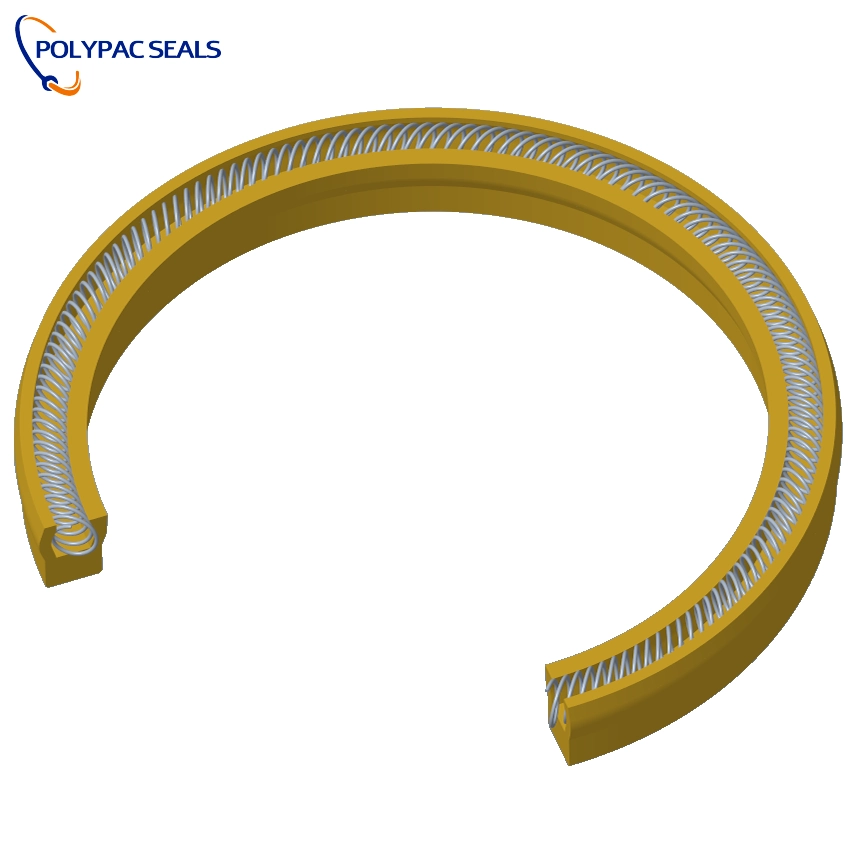

Polypac RSJ Seals: Single-acting piston rod seal designed for hydraulic systems. Featuring a durable dust lip, it ensures reliable sealing and protection against contaminants. Ideal for hydraulic applications requiring high-performance RSJ seals and piston rod sealing solutions.
Stay Updated with Industry Insights
Subscribe to our articles and receive the latest news, expert guidance, and technical updates directly in your E-mail.
Rest assured that your privacy is important to us, and all information provided will be handled with the utmost confidentiality.

Polypac is a trusted global supplier of high-performance sealing solutions, providing OEM & ODM services for industries worldwide.
E-mail:
Phone/WhatsApp:
© 2025 Polypac Seals. All Rights Reserved.
dms
DMS
DMS