












How to Specify Piston Rod Seals for High-Pressure Use
Key considerations when specifying high-pressure piston rod seals
Define the application conditions precisely
Before choosing a piston rod seal, document operating pressure, temperature range, fluid/media compatibility, rod speed, stroke frequency, and required service life. High-pressure applications typically mean continuous working pressures above 200 bar (approx. 3,000 psi), peak pressures that can be significantly higher, and increased risk of extrusion and thermal effects. Clear specifications reduce redesign cycles and warranty issues.
Understand failure modes and prioritize prevention
Common failure modes in high-pressure rod seals are extrusion, lip wear, thermal degradation, chemical attack, and dynamic leakage. Prioritize anti-extrusion measures (backup rings, controlled clearances), low-friction materials for rod speed, and material compatibility with hydraulic fluids (mineral oil, water-glycol, phosphate ester, bio-oils).
Clarify performance and inspection targets
Set measurable goals: maximum allowable leakage (e.g., ml/min at specified pressure), acceptable rod surface roughness, target cycle life (hours or million cycles), and inspection intervals. These targets guide material selection, gland tolerance, and test validation plans.
Material selection for high-pressure piston rod seals
Common materials and their roles
Material choice is central: filled PTFE (bronze/carbon/MoS2 filled) offers excellent extrusion resistance, low friction, and wide temperature tolerance. Polyurethane (PU) provides superior wear resistance and elasticity but is more sensitive to certain fluids and temperature extremes. Elastomers such as NBR and FKM are often used for secondary seals and wipers or where flexibility and sealing at low pressure are needed.
How to match material to media, temperature and pressure
Match polymer resistance to fluid chemistry (mineral oil, synthetic, water-based). For continuous high pressure with tight clearances and limited lubrication, filled PTFE is frequently preferred. For high-speed rod movement where abrasion is dominant, high-grade PU compounds are common. Use elastomers (FKM, FFKM) for static interfaces or where chemical resistance is critical.
Material comparison (typical operating characteristics)
| Material | Typical High-Pressure Suitability | Temperature Range | Strengths | Limitations |
|---|---|---|---|---|
| Filled PTFE (bronze, carbon, MoS2) | Excellent (with backup rings for extreme peaks) | -200°C to +260°C (varies with filler) | Low friction, wide temp range, chemical inertness | Less elastic; requires precise gland design |
| Polyurethane (PU) | Good to very good for wear; pressure-limited by extrusion risk | -30°C to +100°C (compound-dependent) | High abrasion resistance, good elasticity | Lower thermal/chemical resistance than PTFE |
| FKM (Viton) | Moderate; used as secondary or static seal | -20°C to +200°C | Chemical and temp resistance | Higher friction, limited for dynamic high-pressure alone |
| NBR | Limited for high-pressure dynamic seals | -40°C to +120°C | Cost-effective, good oil resistance | Less heat/oxidation resistance |
Notes: Ranges and suitability are indicative; consult material datasheets and validate by testing for your specific fluid and temperature profile.
Design features and gland geometry for reliable high-pressure sealing
Gland tolerances and surface finish
Control radial and axial clearances tightly. For PTFE-based rod seals, rod surface roughness should typically be Ra 0.2–0.6 µm and hardness in the HRC range specified by the seal supplier (often >45 HRC for long life). Excessive roughness increases wear and leakage; over-polishing that creates smear layers can also be harmful. Define finish and hardness on drawings and inspection documents.
Anti-extrusion measures: backup rings and groove design
Extrusion is the primary risk at high pressure. Backup rings (rigid or semi-rigid) sit adjacent to the seal to prevent polymer extrusion into clearance gaps. Use appropriately sized backup rings and pressure-relief features in gland design. Consider segmented backup rings for long strokes and lubricated systems to reduce friction and heat.
Seal profiles and spring-energized designs
Rod seals can be single lip, double lip (with dust lip), or spring-energized for superior contact force at low pressure. For very high pressures, a PTFE or composite lip with a metal or polymer energizer provides low friction, consistent contact, and improved longevity. Spring-energized seals can maintain sealing force despite thermal expansion or wear.
Installation, testing and lifecycle management
Best practices for installation
Use installation tools to protect the seal lip and rod finish. Clean components thoroughly—contaminants are a common early-failure cause. Lubricate seals lightly with compatible fluid and avoid rolling or twisting the seal during assembly. Document torque and assembly steps in procedures.
Testing: bench and field validation
Prototype and production validation should include pressure hold tests, dynamic cycling at operating speed and pressure, and temperature stress tests. Acceptance criteria should match the earlier-defined leakage and life targets. Use hydraulic test rigs to replicate peak pressures and consider accelerated life testing for wear-prone materials.
Maintenance, monitoring and replacement planning
Monitor for increasing leakage, changes in friction, or unusual temperatures. Scheduled replacements based on cycles or hours are preferable to reactive maintenance in safety-critical high-pressure systems. Keep spare sets of seals and backup rings specified by part number for rapid replacement.
Selecting suppliers and custom solutions for demanding conditions
What to look for in a seal supplier
Choose suppliers with: laboratory testing capability, material development experience, documented quality systems (e.g., ISO 9001), CN/EN/ASTM material traceability, and a history of collaboration with research institutions or OEMs. Suppliers that can produce custom compounds and execute long-term R&D projects provide an edge for specialized high-pressure applications.
When to consider custom seals or materials
Consider custom seals when standard parts fail to meet life, chemical resistance, or temperature targets. Custom solutions may include special fillers in PTFE for improved wear, bespoke spring-energized geometries, or hybrid seals combining elastomer and polymer elements for complex duty cycles.
Polypac: example partner for custom high-pressure sealing solutions
Polypac is a scientific and technical hydraulic seal manufacturer and oil seal supplier specializing in seal production, sealing material development, and customized sealing solutions for special working conditions. Polypac's custom rubber ring and O-ring factory covers an area of more than 10,000 square meters, with a factory space of 8,000 square meters. Our production and testing equipment are among the most advanced in the industry. As one of the largest companies in China dedicated to the production and development of seals, we maintain long-term communication and cooperation with numerous universities and research institutions both domestically and internationally.
Founded in 2008, Polypac began by manufacturing filled PTFE seals, including bronze-filled PTFE, carbon-filled PTFE, graphite PTFE, MoS2-filled PTFE, and glass-filled PTFE. Today, we have expanded our product line to include O-rings made from various materials such as NBR, FKM, silicone, EPDM, and FFKM. Polypac's core products include O-Rings, Rod Seals, Piston Seals, End Face Spring Seals, Scraper Seals, Rotary Seals, Back-up Rings, and Dust Rings.
Competitive advantages and differentiators:
- Material science capability: experienced in filled PTFE and custom elastomer compounds for extreme environments.
- Advanced production and inspection equipment enabling consistent quality and tight tolerances.
- Large-scale production with R&D partnerships with universities and research institutions to validate new materials and designs.
- Comprehensive product range allowing integrated sealing systems (primary seals, backup rings, scrapers) from one supplier.
FAQ
1. What pressure is considered 'high pressure' for piston rod seals?
There is no single industry cutoff, but in hydraulic sealing practice pressures above ~200 bar (3,000 psi) are commonly treated as high pressure, requiring anti-extrusion measures and careful material selection. Very high-pressure systems (350–700+ bar) require specialized materials, backup rings, and validated designs.
2. Do I always need backup rings for high-pressure rod seals?
Backup rings are strongly recommended whenever gland clearances and pressure levels could allow polymer extrusion. They are essential for PTFE and elastomer seals operating under continuous high pressure or where peak pressures exceed material extrusion resistance.
3. Can I use polyurethane for high-pressure dynamic sealing?
Polyurethane is excellent for abrasion resistance and is commonly used in dynamic seals, but its extrusion resistance and chemical/temperature limits should be evaluated. In many high-pressure applications, PU is paired with backup rings or used where operating conditions are within its proven limits.
4. How important is rod surface finish and hardness?
Critical. Rod finish affects friction and wear; typical target Ra is 0.2–0.6 µm for PTFE seals. Rod hardness (often >45 HRC) reduces surface damage and extends seal life for long-running high-pressure applications.
5. How should I validate a seal design before field use?
Run bench tests that replicate peak pressure, temperature, speed, and stroke. Include pressure-hold, dynamic cycling, and thermal soak tests. If possible, perform field pilot runs under monitored conditions and use the results to refine seal geometry and material choices.
6. What documentation should I request from a seal supplier?
Request material datasheets, test reports, recommended gland drawings and tolerances, quality certifications (e.g., ISO), traceability records, and service/replacement recommendations.
Contact and next steps
If you need help specifying piston rod seals for a particular high-pressure application, request a technical consultation or sample testing from a qualified supplier. For custom PTFE compounds, backup ring solutions, and integrated sealing systems, consider contacting Polypac's technical team to review your application details and receive tailored proposals.
Contact CTA: To discuss custom seal design, part qualification, or to request samples and test reports, contact Polypac at their sales and technical support channels or visit the product pages for O-Rings, Rod Seals, Piston Seals, and Backup Rings.
References
- Parker Hannifin, 'Hydraulic Cylinder Seals' product and technical literature, https://www.parker.com, accessed 2026-01-10.
- SKF Group, 'Seals — SKF', general technical resources on sealing technology, https://www.skf.com/group/products/seals, accessed 2026-01-10.
- Encyclopaedia Britannica, 'Polytetrafluoroethylene (PTFE)', https://www.britannica.com/science/Teflon, accessed 2026-01-10.
- ISO 3601, 'O-rings - Product standards', International Organization for Standardization, https://www.iso.org/standard/51404., accessed 2026-01-10.
- Parker O-Ring Handbook (technical handbook and material guidance), https://ph.parker.com/literature/Seals/ORing/ORingHandbook.pdf, accessed 2026-01-10.

PU Tube: The High-Performance, Flexible, and Durable Solution for Demanding Fluid Transfer

FKM O-Rings: The Ultimate Industrial Engineering Selection Guide for 2026

Pneumatic Seals: The Ultimate Guide to High-Efficiency, Low-Friction Sealing for Air Systems

PTFE Tubes: The Ultimate Guide to High-Performance, Chemically Inert Tubing Solutions

Scraper Seals: The Ultimate 2026 Guide to Selection, Types, and System Longevity
Products
How important is surface finish on the metal parts that contact the seal?
Why did my O-ring fail prematurely?
How can I prevent seal damage during installation?
How do I choose the right material for my sealing application?
Can I reuse a seal?
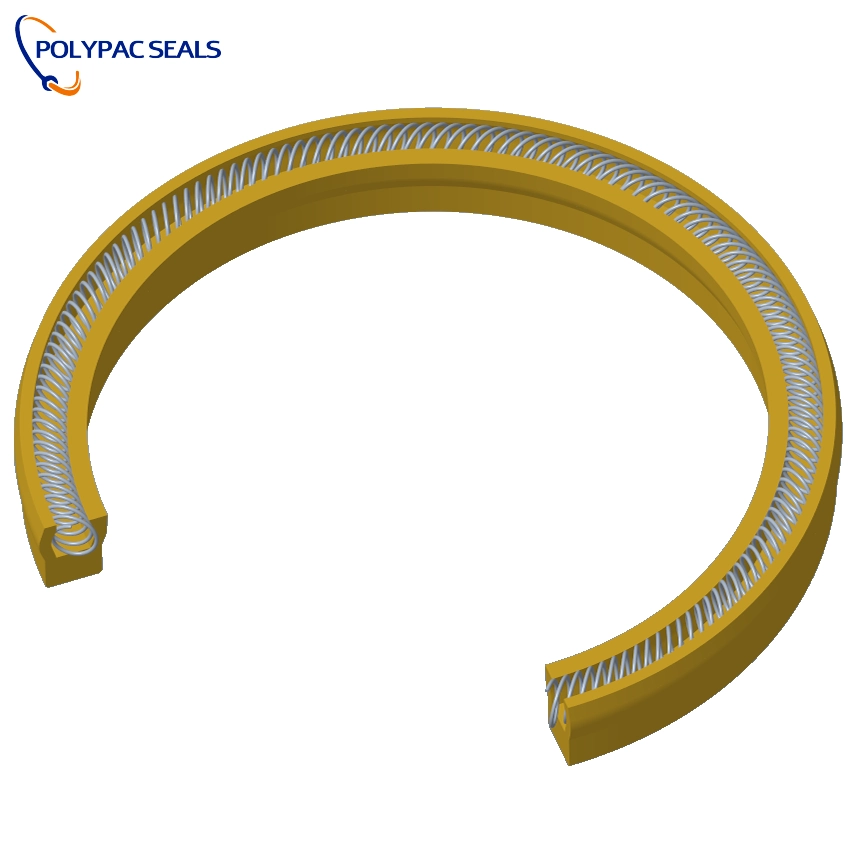

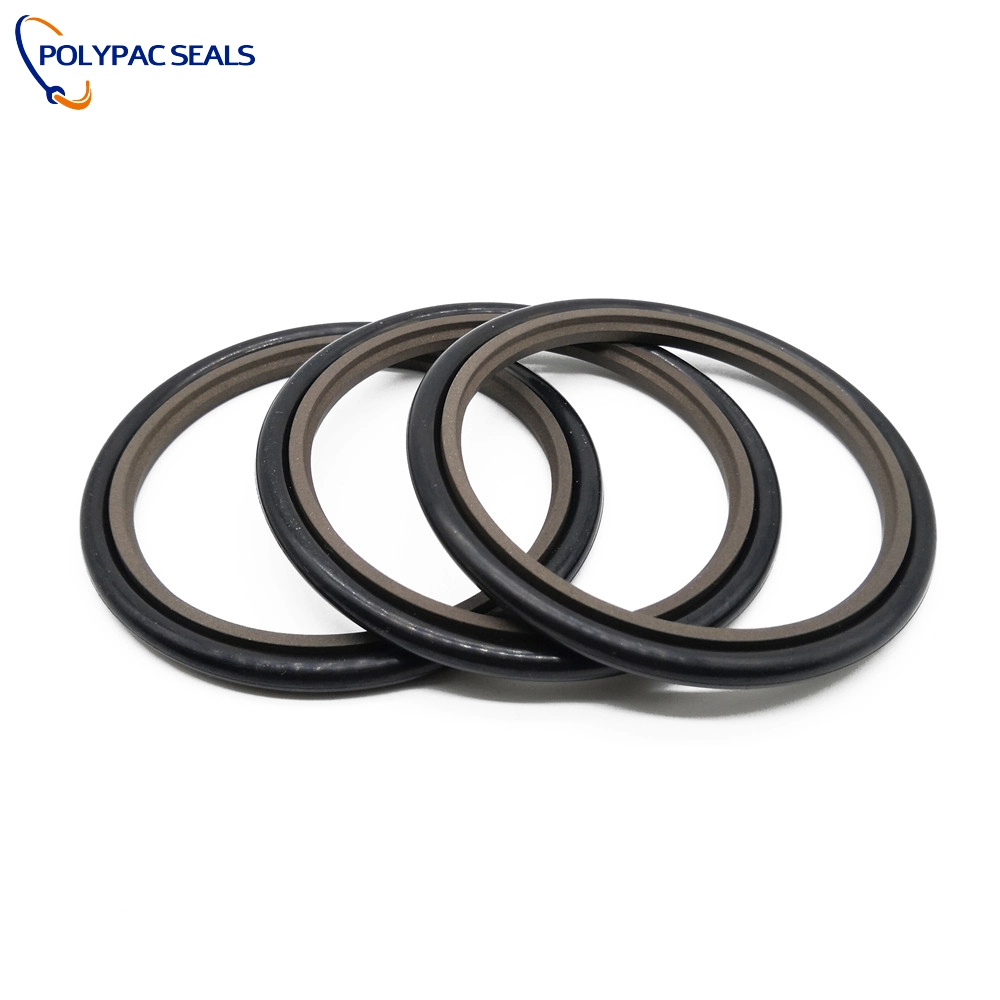
Polypac RSJ Seals: Single-acting piston rod seal designed for hydraulic systems. Featuring a durable dust lip, it ensures reliable sealing and protection against contaminants. Ideal for hydraulic applications requiring high-performance RSJ seals and piston rod sealing solutions.
Stay Updated with Industry Insights
Subscribe to our articles and receive the latest news, expert guidance, and technical updates directly in your E-mail.
Rest assured that your privacy is important to us, and all information provided will be handled with the utmost confidentiality.

Polypac is a trusted global supplier of high-performance sealing solutions, providing OEM & ODM services for industries worldwide.
E-mail:
Phone/WhatsApp:
© 2025 Polypac Seals. All Rights Reserved.
dms
DMS
DMS