












Mechanical Seal vs. O-Ring: Choosing the Right Seal for Your Application
Introduction: Why the Right Seal Matters for Reliability and Cost
Selecting between a mechanical seal and an O-ring can determine equipment uptime, safety, and total lifecycle cost. Mechanical Seal vs. O-Ring: Choosing the Right Seal is a common from engineers, procurement specialists, and maintenance managers who need a clear, practical comparison to make a buying decision. This article explains core differences, application guidelines, performance comparisons, material choices, and when to contact a custom seal supplier like Polypac for tailored solutions.
What is an O-Ring? Practical Overview and Commercial Keywords
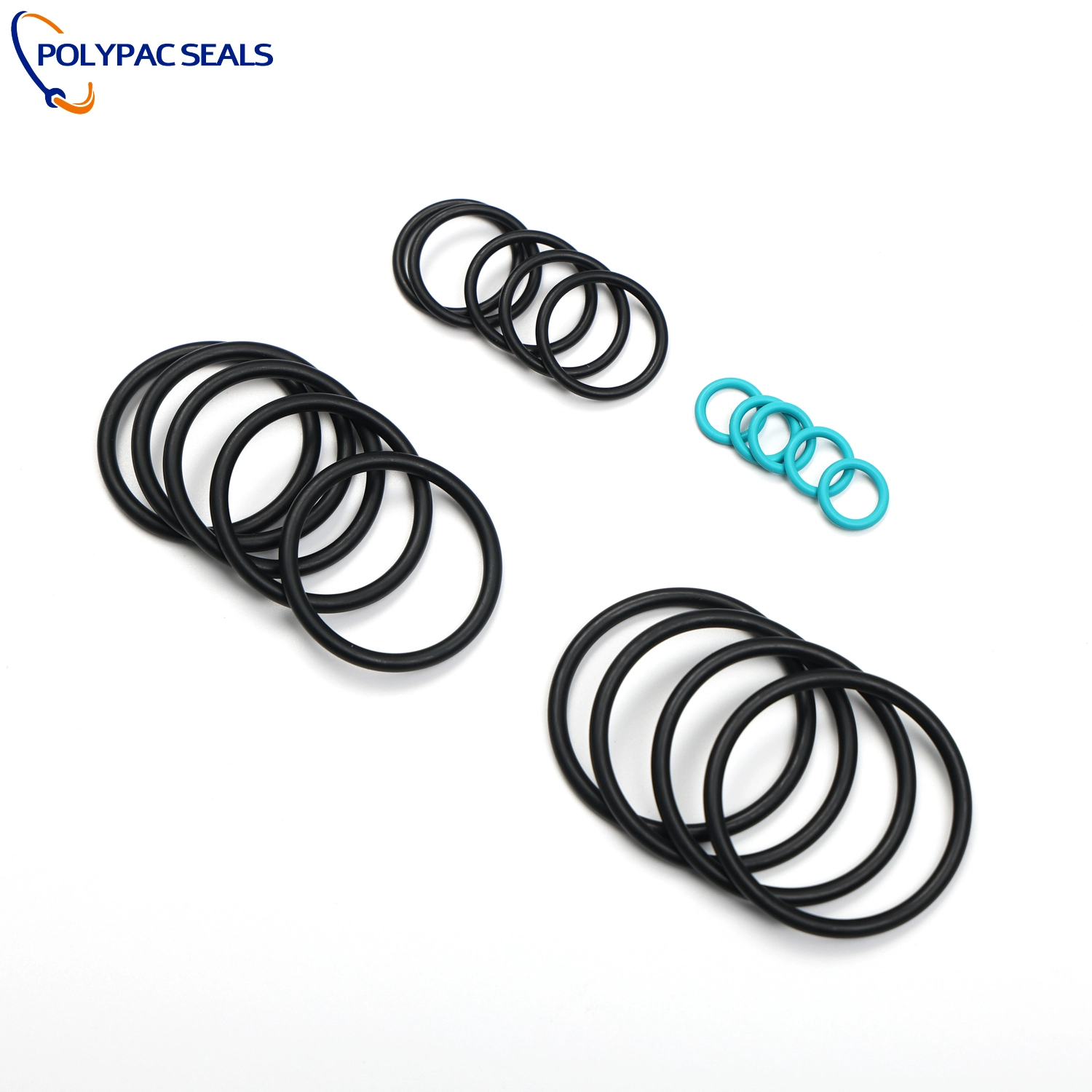
An O-ring is a circular elastomeric sealing element used primarily as a static or dynamic secondary seal. O-rings are inexpensive, simple to install, and widely available — common commercial s include buy O-rings, custom O-ring manufacturer, and O-ring material selection. Typical materials include NBR, FKM (Viton), silicone, EPDM, and FFKM, each offering different chemical and temperature resistance.
O-Ring strengths and limitations
O-rings excel in static sealing, low-to-moderate pressure applications, and where cost is primary. They are compact and work well with standardized grooves (AS568 and ISO 3601 sizes). Limitations include performance in high-speed rotary shafts, aggressive fluids unless the correct compound is chosen, and extrusion risks at high pressure without backup rings.
What is a Mechanical Seal? Key Features and Buying Intent
A mechanical seal is a precision device used to seal rotating equipment shafts (pumps, compressors, mixers). s often include buy mechanical seals, mechanical seal supplier, and custom mechanical seal solutions. Mechanical seals use polished mating faces (usually carbon/ceramic/SiC/tungsten carbide) and a spring or bellows mechanism to maintain face contact, providing reliable dynamic sealing at higher pressures, speeds, and temperatures than most elastomeric O-ring systems.
Mechanical seal strengths and limitations
Mechanical seals handle higher shaft speeds, higher differential pressures, and more aggressive process fluids when properly selected. They require more complex installation, higher initial cost, and occasional rebuild or replacement of seal faces and secondary elastomers. For critical applications, mechanical seals deliver superior leakage control and longer runtimes.
Head-to-Head Comparison: Mechanical Seal vs. O-Ring
Below is a concise comparison to help with purchasing and design decisions. This table covers common commercial-intent criteria: pressure capability, temperature range, chemical compatibility, dynamic suitability, cost, and maintenance.
| Characteristic | O-Ring (Elastomer) | Mechanical Seal |
|---|---|---|
| Sealing principle | Compression of elastomer in a gland | Sliding faces with secondary elastomeric elements |
| Typical pressure capability | Static: very high with correct gland and backup; dynamic: typically low–moderate (lip seals ~≤10 bar) | Designed for moderate to high pressures; many types handle 10–40+ bar depending on design |
| Typical temperature range (dependent on material) | NBR ~-40–120°C; FKM ~-20–200°C; Silicone ~-60–200°C; EPDM ~-50–150°C; FFKM ~-20–327°C | Depends on face and elastomer choices; many mechanical seals operate −40°C to 200°C or higher with special materials |
| Suitability for rotary shafts | Limited; requires gland design and often backup rings or dynamic lip seals | Optimized for rotary shafts, high speed, and low leakage |
| Typical cost | Low per unit; very cost-effective for mass supply | Higher initial cost; cost justified in critical/high-performance equipment |
| Maintenance & lifecycle | Simple replacement; shorter lifetime under dynamic/aggressive conditions | Longer intervals between replacements for many applications; servicing may require specialist skills |
| Applications | Static seals, hydraulic cylinders, low-speed rotary shafts, low-cost consumables | Pumps, compressors, mixers — especially where leakage control and long runtime are required |
How to Choose: Ask These Practical Questions (Commercial Buying Criteria)
Selection is driven by operating conditions and business priorities. When considering Mechanical Seal vs. O-Ring: Choosing the Right Seal, evaluate:
1. What are the pressure and direction of flow requirements?
If your application involves high differential pressure or frequent pressure spikes, mechanical seals or O-ring systems with anti-extrusion backup rings and carefully engineered glands are better. For static high-pressure sealing (e.g., flange face), O-rings with proper gland design can still work.
2. What are temperature and chemical exposure limits?
Match elastomer or face materials to media and temperature. Use FFKM for extreme chemical resistance and high temperature; FKM for oils and many chemicals; EPDM for polar media and steam. Mechanical seal faces (SiC, tungsten carbide, carbon) provide excellent chemical and wear resistance when paired with the appropriate elastomer secondary seal.
3. Is the sealing interface dynamic (rotating) or static?
For rotating shafts, prefer a properly specified mechanical seal. For static or slow-moving parts, O-rings are usually the economical and effective choice.
4. What are downtime and maintenance cost priorities?
Mechanical seals have higher upfront cost but reduce process leakage and often lower long-term maintenance and environmental compliance costs. If replacement speed and low part cost are the priority and leakage tolerance is higher, choose O-rings.
Material Selection: O-Ring Compounds and Mechanical Seal Faces
Material choice is key to sealing performance. Commercially relevant materials to include in procurement searches: NBR, FKM, EPDM, silicone, FFKM for O-rings; carbon, ceramic, silicon carbide (SiC), and tungsten carbide for mechanical seal faces. Polypac manufactures filled PTFE products and a wide range of elastomers for custom needs, enabling tailored performance in aggressive media and special working conditions.
When to Use Custom Seals: Partnering with a Seal Manufacturer
Custom sealing solutions are necessary when standard O-rings or off-the-shelf mechanical seals cannot meet unique pressure, temperature, or media conditions. Search terms with include custom rubber ring, custom O-ring factory, and custom mechanical seal solutions. Polypac provides advanced production and testing equipment, collaboration with research institutions, and materials development since 2008 — making it a practical supplier for tailored seals and PTFE-filled innovations.
Practical Selection Examples (Common Scenarios)
Below are simplified recommendations to link performance needs with seal choices:
Pump handling hydrocarbons at 10–20 bar and 150°C
Choose a mechanical seal with SiC/carbon faces and FKM secondary elastomers or FFKM if aggressive additives present. Mechanical seals provide reliable low-leakage performance at these pressures and temperatures.
Static flange sealing for hydraulic systems at room temperature
O-rings made from NBR or FKM in a properly designed gland are a cost-effective choice.
High-purity chemical dosing lines where leakage is not acceptable
Consider A-class mechanical seals or custom FFKM O-rings in metal housings depending on pressure and dynamics — consult a supplier for material compatibility testing.
Installation and Maintenance Tips: Reduce Failure Risk
Correct installation and maintenance often matter more than small material differences. For O-rings: ensure clean glands, correct stretch (if static), lubrication for assembly, and use backup rings where extrusion is possible. For mechanical seals: follow shaft and housing tolerances, ensure proper flush plans, and use trained technicians for assembly and setting spring pre-loads.
Conclusion: Make the Choice Based on Conditions and Total Cost
Mechanical Seal vs. O-Ring: Choosing the Right Seal comes down to application needs. Use O-rings for cost-sensitive, static, or low-pressure applications and select mechanical seals for rotating equipment requiring low leakage, higher pressure, or higher speeds. When conditions are marginal or specialized — extreme chemicals, high temperature, or custom geometries — work with a technical seal manufacturer like Polypac to design and test a bespoke solution that balances performance and lifecycle cost.
Frequently Asked Questions
What is the main difference between a mechanical seal and an O-ring?A mechanical seal uses polished mating faces to seal rotating shafts and is designed for dynamic, higher-pressure applications; an O-ring is an elastomeric gasket primarily used for static sealing and low-to-moderate dynamic conditions.
Can O-rings be used for rotary shaft sealing?O-rings can be used in rotary applications only with specific gland designs, lubricants, and backup devices; for high-speed or high-pressure rotary sealing, mechanical seals are preferred.
Which material should I choose for chemical resistance?FFKM (perfluoroelastomer) offers the broadest chemical resistance; FKM and EPDM are suitable for many oil and steam applications respectively. For mechanical seals, select compatible face materials (SiC, tungsten carbide, carbon) and matching elastomers.
How do I reduce seal extrusion in high-pressure systems?Use backup rings, proper gland design, and choose harder elastomers or PTFE-based materials. For dynamic shafts, consider a mechanical seal designed for the pressure range.
When should I consult a custom seal manufacturer like Polypac?Consult a custom manufacturer when standard sizes or materials fail to meet your media, pressure, temperature, or lifecycle requirements, or when you need engineered PTFE-filled seals or tailored elastomer compounds for special working conditions.
References and Sources
- API 682 — Recommended Practice for Mechanical Seals for Centrifugal and Rotary Pumps
- ISO 3601 — Fluid power systems — O-rings (dimensions and tolerances)
- Parker O-Ring Handbook — material temperature and compatibility guidance
- Polypac company product history and capabilities (company-provided summary)

High-Performance Pneumatic Piston Seals: How to Achieve Zero-Leakage Efficiency

PTFE vs. Composite: Choosing the Best Piston Guide Ring Material for High-Pressure Systems

Mastering O-Ring Gland Design: The Complete Guide for Perfect Sealing Performance

Advanced Back-Up Ring Materials: Beyond PTFE for Extreme Temperature Environments

PTFE vs. Urethane Scrapers: Which Material Truly Prevents Contamination?
Products
When should I use a spring-energized seal instead of a standard elastomeric seal?
What does "AS568" mean?
Why did my O-ring fail prematurely?
How important is surface finish on the metal parts that contact the seal?
What is the difference between NBR and FKM materials?
Stay Updated with Industry Insights
Subscribe to our articles and receive the latest news, expert guidance, and technical updates directly in your E-mail.
Rest assured that your privacy is important to us, and all information provided will be handled with the utmost confidentiality.

Polypac is a trusted global supplier of high-performance sealing solutions, providing OEM & ODM services for industries worldwide.
E-mail:
Phone/WhatsApp:
© 2025 Polypac Seals. All Rights Reserved.
dms
DMS
DMS