












What is the difference between a piston seal and a rod seal? | Insights by Polypac
What Are Piston Seals?
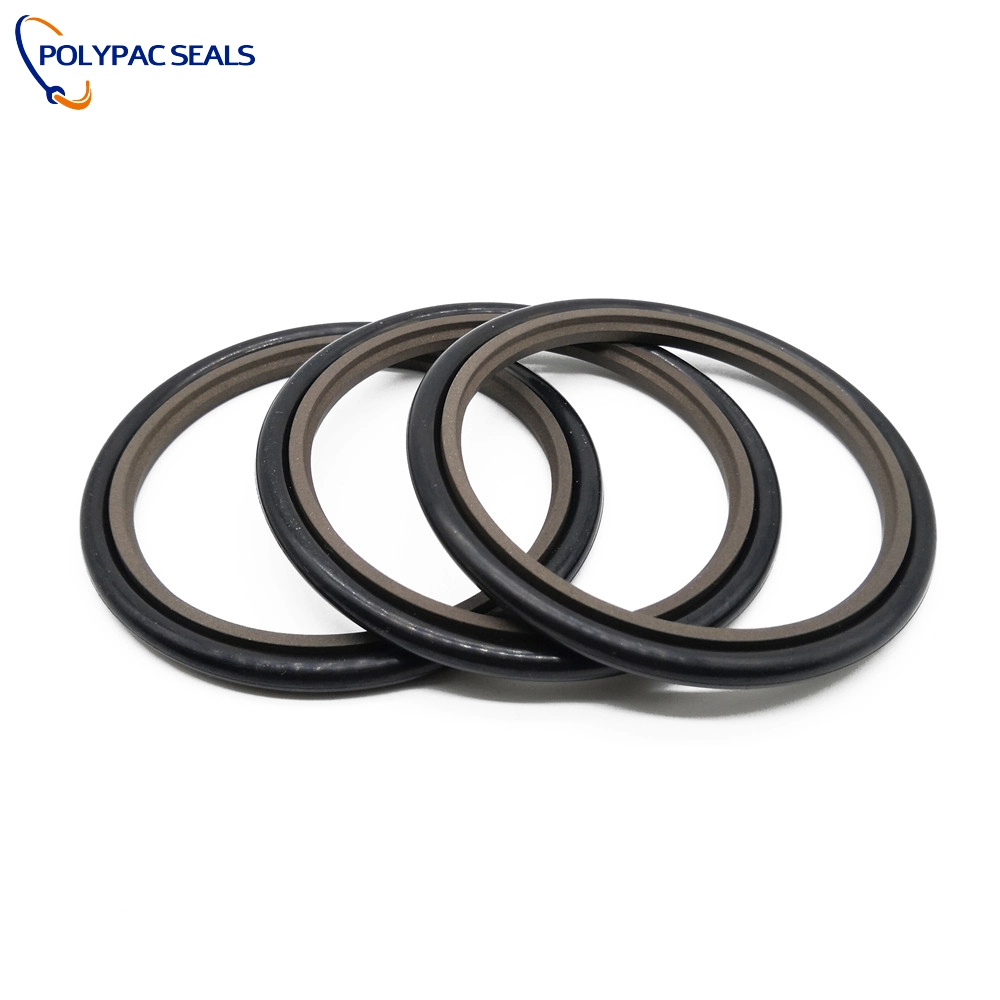
Piston seals are integral components in hydraulic and pneumatic systems, designed to prevent fluid leakage between the piston and the cylinder wall. They are typically installed in a machined groove on the piston head, operating within the cylinder barrel. Their primary function is to maintain the pressure differential across the piston, enabling controlled extension and retraction of the rod. Common materials used for piston seals include PTFE, polyurethane (PU), and polyoxymethylene (POM), chosen for their wear resistance and compatibility with various fluids.
What Are Rod Seals?
Rod seals are positioned at the cylinder head, where the piston rod exits, sealing the dynamic interface between the reciprocating rod and the housing. Their dual purpose is to retain hydraulic fluid inside the cylinder and prevent external contaminants, such as dirt and moisture, from entering the system. Rod seals are often paired with wiper seals to clean the rod surface during retraction. Materials like fluorocarbon rubber (FKM/Viton®), polyurethane, and PTFE composites are commonly used for rod seals due to their resistance to environmental exposure and rod abrasion.
Key Differences Between Piston Seals and Rod Seals
Location and Function:
- Piston Seals: Located between the piston and the cylinder wall, they prevent internal fluid leakage, maintaining pressure within the cylinder.
- Rod Seals: Situated at the cylinder head, they prevent external fluid leakage along the rod and block contaminants from entering the system.
Design and Materials:
- Piston Seals: Often feature U-cup designs and are made from materials like PTFE, PU, or POM, selected for their durability and pressure resistance.
- Rod Seals: Typically utilize lip seals or multi-element designs, crafted from elastomers such as FKM, PU, or PTFE composites to withstand environmental factors and rod movement.
Operational Stressors:
- Piston Seals: Subjected to high internal pressures and bidirectional forces, requiring resistance to extrusion and wear under continuous dynamic cycling.
- Rod Seals: Exposed to rod surface abrasion, temperature extremes, and contamination, often integrating buffer seals to cushion pressure spikes and wiper seals to remove debris.
Failure Impacts:
- Piston Seal Failure: Leads to internal leakage, reducing efficiency and compromising actuation force.
- Rod Seal Failure: Results in external fluid leakage and potential contamination ingress, accelerating wear on internal components.
Selection Criteria:
- When choosing between piston and rod seals, consider factors such as fluid compatibility, pressure and temperature ratings, dynamic performance, and environmental exposure to ensure optimal sealing solutions.
Polypac's Advantages
Polypac offers a comprehensive range of high-quality piston and rod seals tailored to meet diverse industrial requirements. Our products are engineered for durability, efficiency, and reliability, ensuring optimal performance in various applications. With a focus on innovation and customer satisfaction, Polypac provides sealing solutions that enhance system longevity and reduce maintenance costs.
References
"What is the Difference Between Piston Seal and Rod Seal?" Feiyun Oil Seal China Factory, April 21, 2025.
"The Differences Between Piston Seal And Piston Rod Seal," Guangzhou Jinbond Seal Technology Co., Ltd., January 15, 2021.
"Difference Between Piston Seals and Rod Seals Explained," Seal Manufacturer, May 2025.
"Piston Seal Vs Rod Seal: Key Differences & Best Materials (2025 Guide)," Hengo Seal, March 6, 2025.
"What is the difference between piston seal and rod seal?" FPE Seals, November 19, 2025.
"Rod Seal VS Piston Seal," TYS Seals, July 30, 2024.
"Difference between piston seal and piston rod seal," Linde Polymer, August 22, 2024.
"difference b/w Rod seal vs. piston seal#basic# techniques," Gopal Study Studio, November 4, 2023.
Understanding the distinctions between piston seals and rod seals is crucial for selecting the appropriate sealing solutions to enhance system performance and longevity.


Products
What is the purpose of the metal spring in a rotary shaft seal?
What is the difference between a static seal and a dynamic seal?
What does "AS568" mean?
What is the difference between NBR and FKM materials?
How do I choose the right material for my sealing application?
Stay Updated with Industry Insights
Subscribe to our articles and receive the latest news, expert guidance, and technical updates directly in your E-mail.
Rest assured that your privacy is important to us, and all information provided will be handled with the utmost confidentiality.
Polypac is a trusted global supplier of high-performance sealing solutions, providing OEM & ODM services for industries worldwide.
E-mail:
Phone/WhatsApp:
© 2025 Polypac Seals. All Rights Reserved.
dms
DMS
DMS