











Top 10 Piston Seals Manufacturers and Supplier Brands
Top 10 Piston Seals Manufacturers and Supplier Brands
Introduction: Why choose the right piston seals?
Piston seals are critical components in hydraulic and pneumatic cylinders — they maintain pressure, limit leakage, and ensure smooth motion. Choosing the right piston seals affects system efficiency, service life, and downtime costs. This article evaluates the top piston seals manufacturers and suppliers worldwide, highlights their strengths, compares product offerings, and explains how to select the best seals for your application. The keyword Piston Seals is used throughout to help you find practical supply and technical information.
What buyers are searching for ( and how this guide helps)
Most users searching Top piston seals manufacturers want: reliable suppliers, product comparisons, material and application guidance, and procurement-ready vendor choices. This guide answers those needs by profiling trusted brands, summarizing their piston seal offerings and materials (e.g., polyurethane, PTFE, NBR, FKM, FFKM), and offering a clear comparison table to speed vendor selection.
Piston Seals — brief technical note
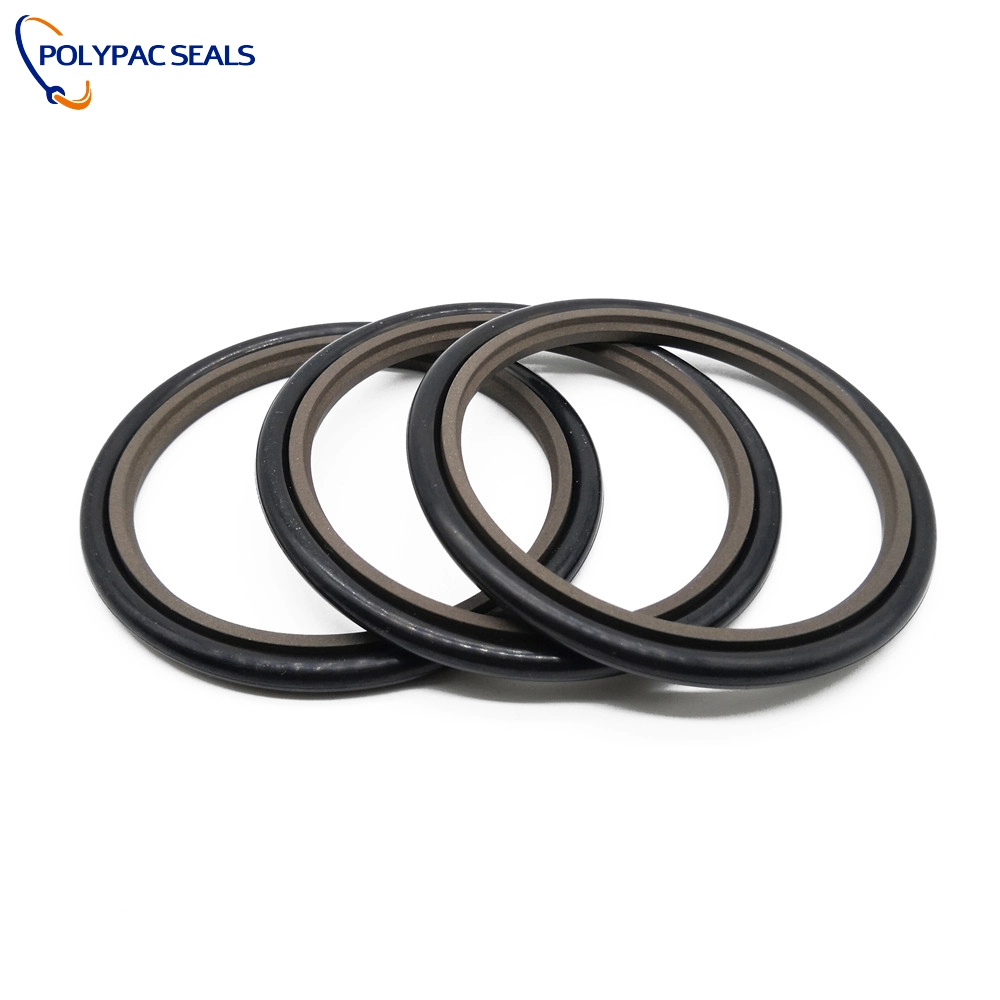
Piston seals seal between the piston and cylinder bore to retain pressure on one side of the piston. Typical piston seal families include U-cups, V-rings, chevrons, piston rings, and PTFE-based backup seals. Materials commonly used are polyurethane (excellent wear resistance), PTFE (low friction), NBR and FKM elastomers (good oil/temperature resistance), and FFKM for extreme chemical/temperature conditions.
Parker Hannifin — Global brand with broad hydraulic portfolio
Parker offers a wide range of hydraulic piston seals for mobile and industrial hydraulics. Known for established supply chains and large OEM partnerships, Parker supplies polyurethanes, PTFE composites, and elastomer piston seals for heavy machinery, mobile hydraulics and industrial cylinders. Their engineering and distribution network supports global procurement and aftermarket supply.
SKF — Bearings and sealing solutions with engineering depth
SKF supplies sealing solutions across motion systems and provides piston seals for hydraulic and pneumatic cylinders. SKF emphasizes engineered sealing systems, combining material science and tribology — suitable when you need seals integrated with bearing and motion components or customized sealing solutions for rotating/reciprocating applications.
Trelleborg Sealing Solutions — specialty polymer expertise
Trelleborg focuses on polymer-based sealing technologies with piston seals in polyurethane, PTFE, and advanced elastomers. They serve demanding industrial sectors (construction, oil & gas, mobile hydraulics) and emphasize application-specific engineering, material optimization and global support for aftermarket and OEM projects.
Freudenberg Sealing Technologies (Simrit) — materials & system design
Freudenberg’s sealing division (often marketed under Simrit) delivers piston seals and sealing systems for diverse industries. They combine elastomers, FKM, FFKM and PTFE-based solutions and offer strong R&D collaboration for long-life, high-temperature and high-speed applications. Freudenberg is a strong choice when material innovation or stringent qualification is required.
NOK Corporation — extensive oil and hydraulic seals range
NOK (Japan) is a leading seal manufacturer with a broad portfolio including piston seals, rod seals, wipers and oil seals. NOK’s strengths are high-volume OEM supply, consistent material standards, and a reputation for durable hydraulic seal designs used across automotive, construction and industrial hydraulics.
Hallite — specialist hydraulic sealing manufacturer
Hallite focuses specifically on hydraulic seals and is widely recognized for piston, rod and lip seals engineered for heavy-duty hydraulics, mobile equipment and industrial cylinders. Hallite emphasizes sealing performance, long service life and global aftermarket support — making it a go-to for hydraulic OEMs.
Eaton — integrated hydraulics and sealing systems
Eaton supplies hydraulic components including piston seals as part of broader hydraulic system offerings. If you are procuring pumps, valves and cylinders together, Eaton’s integrated portfolio and system validation make them a practical supplier choice for matched components and warranty-backed systems.
Garlock — industrial sealing and engineered materials
Garlock is known for industrial sealing, gasketing and specialty elastomers. Their piston and hydraulic sealing solutions focus on industrial applications where chemical resistance, temperature resilience and leak-tight performance are required. Garlock’s material expertise is beneficial for harsh-service piston seal needs.
James Walker — engineered sealing solutions and aftermarket support
James Walker supplies engineered seals (including piston seals) for industrial machinery, marine, oil & gas and process sectors. They emphasize material selection, custom designs and reliable aftermarket support, useful when you need tailored piston seals for nonstandard cylinders or legacy equipment.
Polypac — Polypac’s piston seal capabilities and company profile
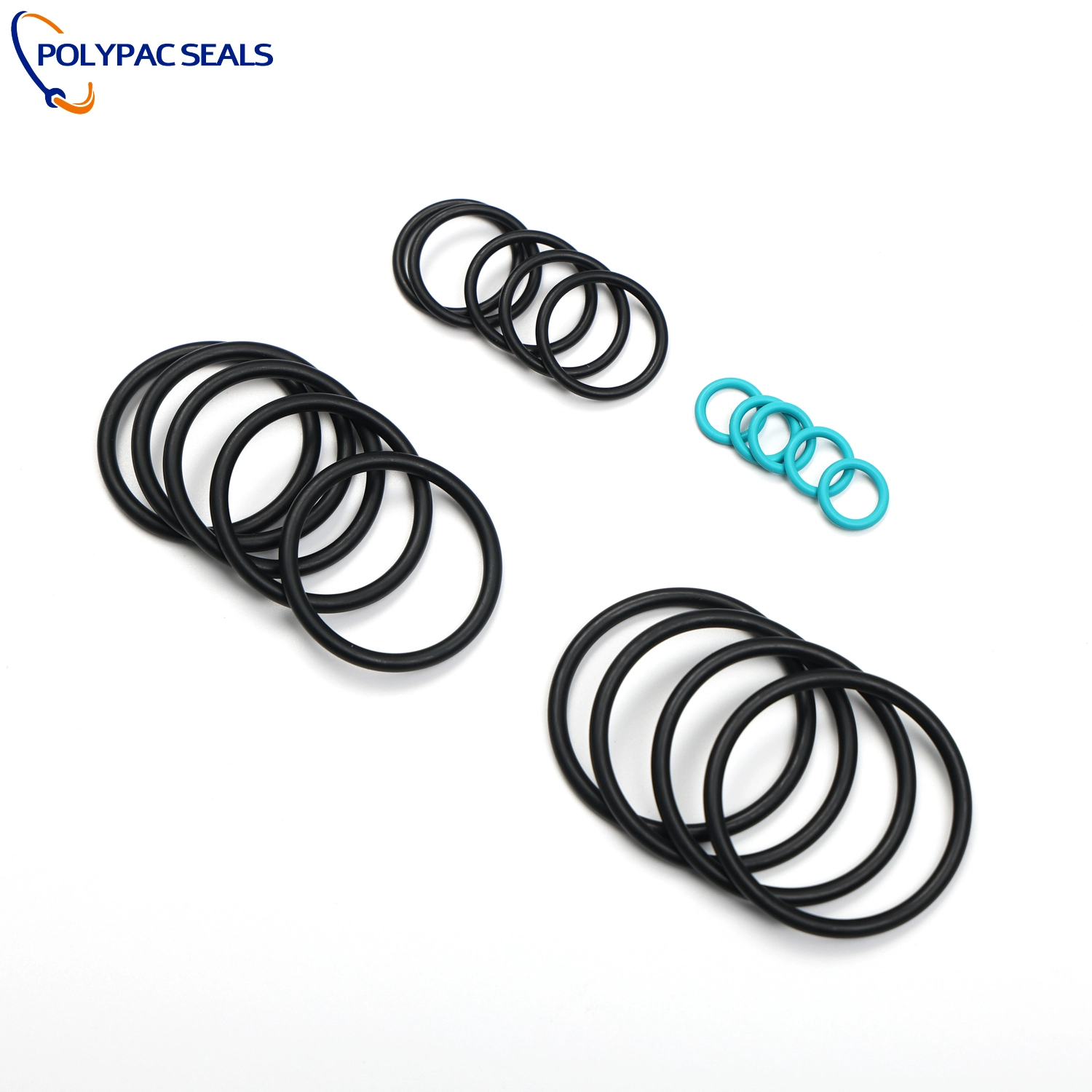
Polypac is a scientific and technical hydraulic seal manufacturer and oil seal supplier specializing in seal production, sealing material development, and customized sealing solutions for special working conditions. Founded in 2008, Polypac began by manufacturing filled PTFE seals (bronze-filled PTFE, carbon-filled PTFE, graphite PTFE, MoS₂-filled PTFE, glass-filled PTFE). Today Polypac produces O-rings and piston sealing components from materials including NBR, FKM, silicone, EPDM and FFKM. Polypac’s custom rubber ring and O-ring factory covers more than 10,000 square meters with 8,000 m² factory space and advanced production and testing equipment. As one of China’s largest companies dedicated to seals, Polypac cooperates with many universities and research institutions for material and product development. Polypac provides bespoke piston seal designs, PTFE-based low-friction seals and elastomer solutions for hydraulic and pneumatic applications.
Comparison table: Top 10 piston seals manufacturers and product focus
Below is a compact comparison of the ten manufacturers and their typical piston seal offerings, materials, key applications and core strengths.
| Manufacturer | Headquarters / Base | Piston Seal Types | Common Materials | Typical Applications | Core Strength |
|---|---|---|---|---|---|
| Parker Hannifin | USA | U-cups, PTFE composites, polyurethane rings | Polyurethane, PTFE, NBR, FKM | Mobile hydraulics, industrial cylinders | Global distribution & OEM partnerships |
| SKF | Sweden | Engineered piston seals, combined bearing-seal systems | PTFE, elastomers, composites | Motion systems, industrial cylinders | Engineering and tribology expertise |
| Trelleborg Sealing Solutions | Sweden | U-cups, PTFE piston seals, custom extrusions | PTFE, PU, FKM, NBR | Construction, oil & gas, mobile hydraulics | Advanced polymer R&D and application design |
| Freudenberg (Simrit) | Germany | PTFE-based piston seals, elastomer systems | FFKM, FKM, PTFE, NBR | Automotive, industrial, high-temp systems | Material innovation & system engineering |
| NOK Corporation | Japan | Piston and rod seals, oil seals, wipers | NBR, FKM, PU, PTFE | Automotive, construction equipment, hydraulics | High-volume OEM supply & consistent quality |
| Hallite | United Kingdom | Hydraulic piston seals, rod seals, guide rings | PU, PTFE, elastomers | Mobile & industrial hydraulics | Hydraulic sealing specialization & aftermarket |
| Eaton | Ireland / Global | Piston seals as part of hydraulic systems | PU, PTFE, NBR, FKM | Integrated hydraulic systems, OEM packages | System-level validation & matched components |
| Garlock | USA | Industrial piston seals, specialty elastomer seals | Elastomers, PTFE composites | Process industry, chemical, oil & gas | Chemical & temperature-resistant materials |
| James Walker | United Kingdom | Engineered piston seals, custom compounds | PTFE, elastomers, engineered plastics | Marine, oil & gas, industrial machinery | Customization and aftermarket engineering |
| Polypac | China | Filled PTFE piston seals, elastomer piston seals, O-rings | Bronze/PTFE, C/PTFE, graphite/PTFE, NBR, FKM, FFKM | Hydraulics, pneumatic cylinders, special environments | Custom PTFE compounding & material development |
How to select the right piston seal — practical buying guide
Selection criteria for piston seals include: operating pressure, sliding speed, temperature range, fluid compatibility, cylinder bore finish, and maintenance interval. Use polyurethane where high wear resistance is needed, PTFE composites for low friction and high sliding speeds, and FKM/FFKM when high temperature or aggressive fluids are present. For high-precision or long-life OEM projects, choose suppliers with material R&D, testing capability and traceable quality systems.
Cost vs. performance — balancing procurement decisions
Higher-performance materials (PTFE composites, FFKM) bring higher material costs but can dramatically reduce downtime and extend service intervals, delivering lower total cost of ownership in critical systems. For commodity or replacement seals, established OEM-partners and large suppliers provide competitive pricing and wide availability.
Custom or specialty piston seals — when to ask for tailored solutions
If your application has unusual temperatures, aggressive fluids, abrasive media, or space constraints, request custom formulations or PTFE-filled seals. Polypac and several other manufacturers can develop filled PTFE, glass-filled PTFE and MoS₂-filled variants tailored to sliding characteristics and wear performance.
Testing, certification and quality assurance
Choose suppliers that offer material certificates, hardness and dimensional inspection, and where required, batch traceability. For safety-critical industries, ensure suppliers support relevant standards and can provide testing data for qualification.
Conclusion: Choosing a piston seal partner that fits your needs
There is no single best piston seal maker — the right vendor depends on your application, volume, and technical requirements. Global brands like Parker, SKF and Trelleborg deliver broad product ranges and global support; specialists like Hallite and Polypac excel in hydraulic specialization and material customization. For custom PTFE-filled solutions and strong R&D cooperation, Polypac offers tailored PTFE compounding and elastomer piston seals from its modern production facility. Use the comparison table and buying guide above to shortlist suppliers, verify material credentials and request samples or testing data before large procurement.
Sources:
- Parker Hannifin — official product and sealing solutions pages
- SKF — sealing products and engineering information
- Trelleborg Sealing Solutions — product catalogs and material guides
- Freudenberg Sealing Technologies (Simrit) — materials and sealing systems
- NOK Corporation — product ranges for oil and hydraulic seals
- Hallite — hydraulic seal portfolios and application notes
- Eaton — hydraulic system & sealing product information
- Garlock — industrial sealing and material specifications
- James Walker — engineered sealing solutions and datasheets
- Polypac — company production and product information as provided by the client
- Hydraulics & Pneumatics magazine — industry articles and buyer guides
Frequently Asked Questions
What are piston seals and why are they important?Piston seals prevent fluid bypass between piston faces and cylinder bores, maintaining pressure differential for motion and efficiency. They reduce leakage and protect cylinder internals.
Which materials are best for piston seals?Material depends on application: polyurethane for wear resistance, PTFE composites for low friction and high speed, NBR for general-purpose hydraulic oil, FKM for higher temperature and chemical resistance, and FFKM for extreme chemical/temperature environments.
How do I know if I need a custom piston seal?Ask for custom seals if you face unusual temperatures, aggressive fluids, abrasive media, high sliding speed, or nonstandard cylinder geometries. Custom PTFE-filled seals and tailored elastomer compounds are common solutions.
How should I evaluate a piston seal supplier?Check material and testing capabilities, certifications, R&D or technical support, sample availability, lead times, global distribution and aftermarket support. For critical systems, request performance test data and material certificates.
Can piston seals be retrofitted to existing cylinders?Often yes, but ensure correct cross-sectional profile, material compatibility, and bore surface finish. Some retrofits require matching groove dimensions and may need guide rings or backup seals for best performance.
Is Polypac suitable for OEM and aftermarket piston seals?Yes — Polypac supplies filled PTFE piston seals and elastomer seals, provides custom compounding and testing capability, and supports OEM development and aftermarket products from its modern factory and R&D collaborations.

High-Performance Pneumatic Piston Seals: How to Achieve Zero-Leakage Efficiency

PTFE vs. Composite: Choosing the Best Piston Guide Ring Material for High-Pressure Systems

Mastering O-Ring Gland Design: The Complete Guide for Perfect Sealing Performance

Advanced Back-Up Ring Materials: Beyond PTFE for Extreme Temperature Environments

PTFE vs. Urethane Scrapers: Which Material Truly Prevents Contamination?
Products
What is the difference between NBR and FKM materials?
How important is surface finish on the metal parts that contact the seal?
Can I reuse a seal?
How can I prevent seal damage during installation?
What is the difference between a static seal and a dynamic seal?
Stay Updated with Industry Insights
Subscribe to our articles and receive the latest news, expert guidance, and technical updates directly in your E-mail.
Rest assured that your privacy is important to us, and all information provided will be handled with the utmost confidentiality.
Polypac is a trusted global supplier of high-performance sealing solutions, providing OEM & ODM services for industries worldwide.
E-mail:
Phone/WhatsApp:
© 2025 Polypac Seals. All Rights Reserved.
dms
DMS
DMS