






Ống PU: Giải pháp hiệu suất cao, linh hoạt và bền bỉ cho việc truyền dẫn chất lỏng đòi hỏi khắt khe.
Thứ Sáu, ngày 9 tháng 1 năm 2026
Khám phá ống PU của Polypac, loại ống polyurethane hiệu suất cao được thiết kế cho các ứng dụng truyền dẫn chất lỏng đòi hỏi khắt khe. Linh hoạt, bền bỉ và đáng tin cậy, ống polyurethane của chúng tôi đảm bảo hiệu quả cao nhất và tuổi thọ lâu dài trong nhiều ngành công nghiệp. Chọn Polypac để có các giải pháp ống PU vượt trội.
Đề xuất cho bạn

Cách chọn gioăng phớt cho kích thủy lực hoàn hảo: So sánh toàn diện về vật liệu và hiệu suất

Gioăng piston khí nén hiệu suất cao: Làm thế nào để đạt được hiệu quả không rò rỉ

PTFE so với vật liệu composite: Lựa chọn vật liệu vòng dẫn hướng piston tốt nhất cho hệ thống áp suất cao

Cách chọn gioăng quay thủy lực hoàn hảo: Ma trận quyết định dựa trên dữ liệu
Câu hỏi thường gặp
Các sản phẩm
Sự khác biệt giữa phớt tĩnh và phớt động là gì?
Phớt tĩnh được sử dụng giữa hai bề mặt không chuyển động tương đối với nhau (ví dụ: mặt bích ống, nắp chụp). Vòng đệm chữ O và gioăng là những loại phớt tĩnh phổ biến. Phớt động được sử dụng giữa các bề mặt chuyển động (ví dụ: piston và xi lanh, trục quay). Phớt thanh truyền, phớt piston và phớt trục quay được thiết kế cho mục đích này.
Bề mặt hoàn thiện của các bộ phận kim loại tiếp xúc với phớt quan trọng như thế nào?
Cực kỳ quan trọng. Bề mặt nhám sẽ làm mòn và hư hỏng phớt nhanh chóng, gây rò rỉ. Bề mặt hoàn thiện quá nhẵn có thể ngăn cản quá trình hình thành màng bôi trơn. Độ hoàn thiện bề mặt được khuyến nghị điển hình cho các ứng dụng động là 0,2 đến 0,8 μm (8-32 μin) Ra.
Sự khác biệt giữa vật liệu NBR và FKM là gì?
NBR (Nitrile/Buna-N): Vật liệu đa năng, tiết kiệm chi phí, có khả năng chống chịu tuyệt vời với dầu mỏ và nhiên liệu. Nó có dải nhiệt độ tiêu chuẩn từ -30°C đến +100°C (-22°F đến +212°F). FKM (Fluoroelastomer/Viton®): Vật liệu cao cấp có khả năng chống chịu tuyệt vời với nhiệt độ cao (lên đến 200°C+), hóa chất và dầu. Nó được sử dụng trong môi trường khắc nghiệt hơn nhưng đắt hơn NBR.
Mục đích của lò xo kim loại trong phớt trục quay là gì?
Lò xo đai trong phớt trục (ví dụ: loại FSKR, SPGO) tạo ra lực hướng tâm không đổi trên mép phớt. Điều này đảm bảo tiếp xúc liên tục với trục quay, bù trừ cho các hiện tượng mài mòn nhỏ, lệch tâm và rung động để ngăn ngừa rò rỉ chất bôi trơn.
"AS568" có nghĩa là gì?
AS568 là Tiêu chuẩn Hàng không Vũ trụ, quy định kích thước cho hơn 360 kích thước vòng đệm chữ O tiêu chuẩn. Đây là hệ thống kích thước được chấp nhận rộng rãi nhất ở Bắc Mỹ và trên toàn cầu. Số AS568 (ví dụ: AS568-214) chỉ định đường kính trong và tiết diện chính xác.
Bạn cũng có thể thích
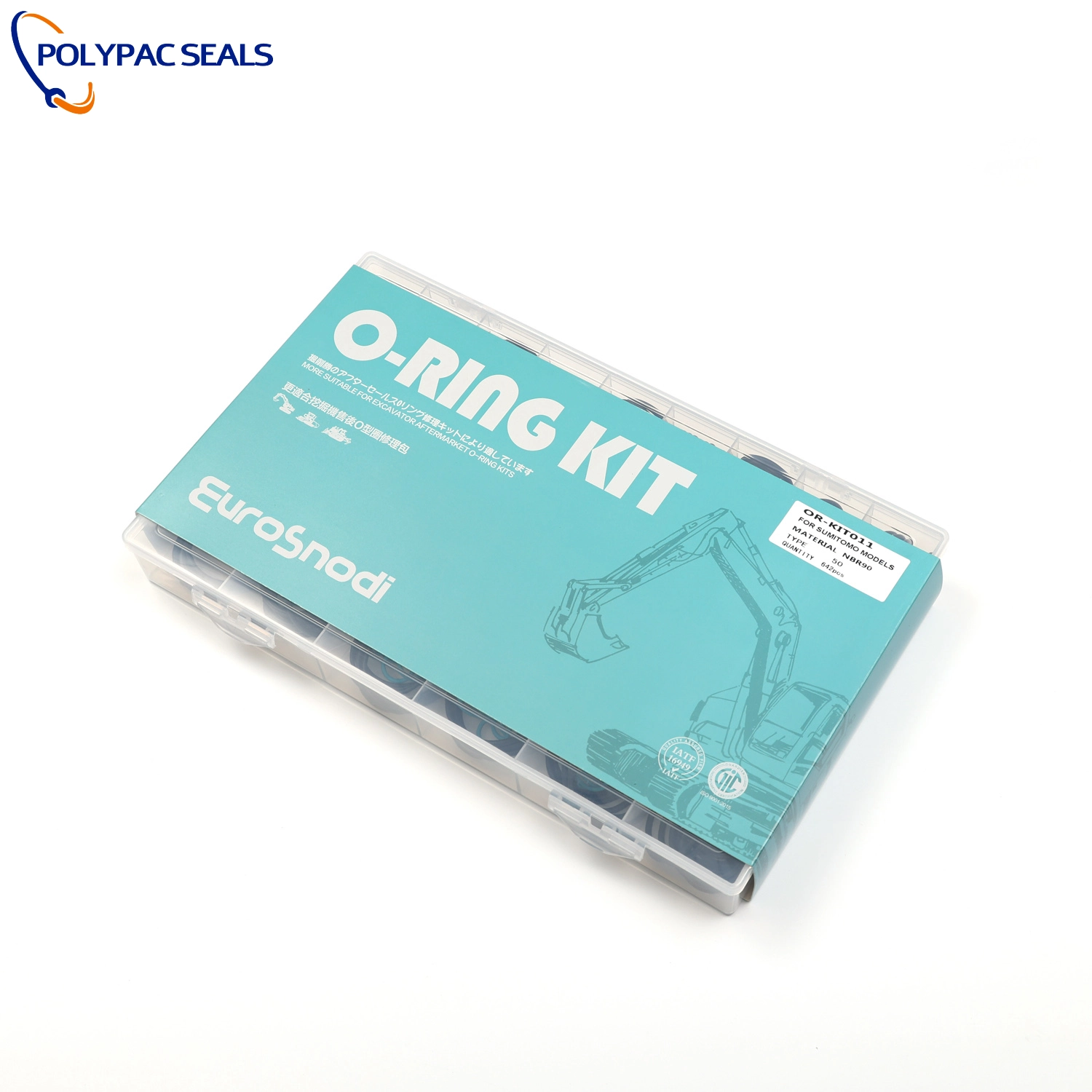
Bộ vòng đệm O-ring mini - 011 SUMITOM | Bộ sản phẩm nhỏ gọn dành cho thiết bị điện tử, mô hình điều khiển từ xa và thiết bị gia dụng nhỏ
Bộ gioăng chữ O mini Polypac-011 SUMITOM cung cấp các loại gioăng chữ O nhỏ gọn, chịu nhiệt độ cao và kháng hóa chất. Lý tưởng cho các thiết bị điện tử, mô hình điều khiển từ xa và các thiết bị gia dụng nhỏ, bộ dụng cụ bền bỉ này đảm bảo hiệu suất làm kín đáng tin cậy trong môi trường khắc nghiệt. Hoàn hảo cho việc sửa chữa và bảo trì chính xác.
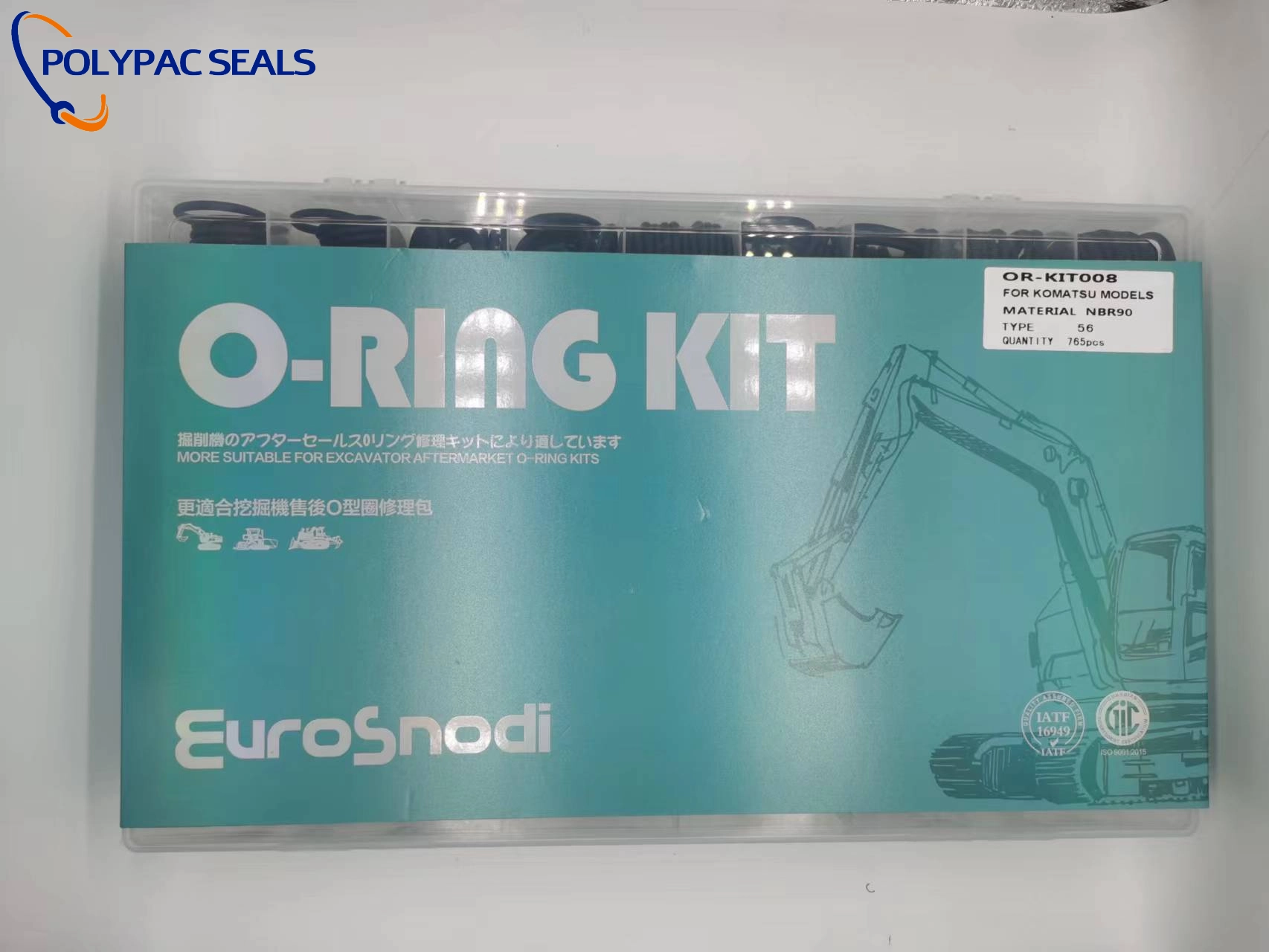
Bộ gioăng chữ O Buna-N (Nitrile) - 008 KOMATSU | Bộ gioăng chịu dầu dùng cho mục đích chung
Bộ gioăng chữ O Polypac Buna-N (Nitrile) - 008 KOMATSU cung cấp các gioăng bền, chống dầu, lý tưởng cho các ứng dụng thủy lực và khí nén. Các bộ gioăng chữ O đa năng này đảm bảo hiệu suất làm kín đáng tin cậy cho mục đích sử dụng thông thường, nâng cao hiệu quả và tuổi thọ của thiết bị.
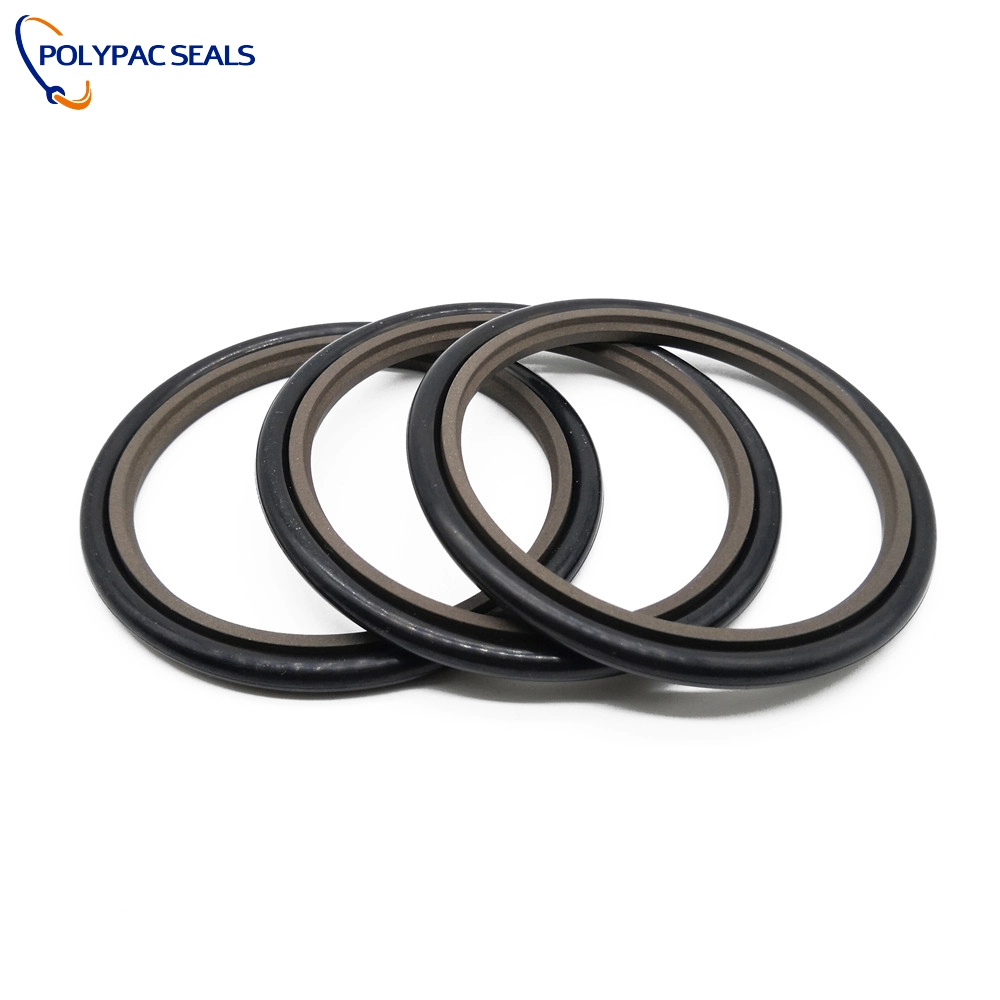
Phớt trục piston GSJ-801 | Phớt trục piston hiệu suất cao, thay thế chính xác cho phụ tùng OEM
Phớt trục piston Polypac GSJ-801 là loại phớt trục piston hiệu suất cao được thiết kế để thay thế chính xác cho phụ tùng OEM. Lý tưởng cho các bộ phận trong bộ phớt xi lanh và phớt trục bơm, sản phẩm này đảm bảo độ bền vượt trội và khả năng ngăn ngừa rò rỉ, nâng cao hiệu quả hệ thống thủy lực trong các ứng dụng công nghiệp. Hãy tin tưởng vào chất lượng Polypac.
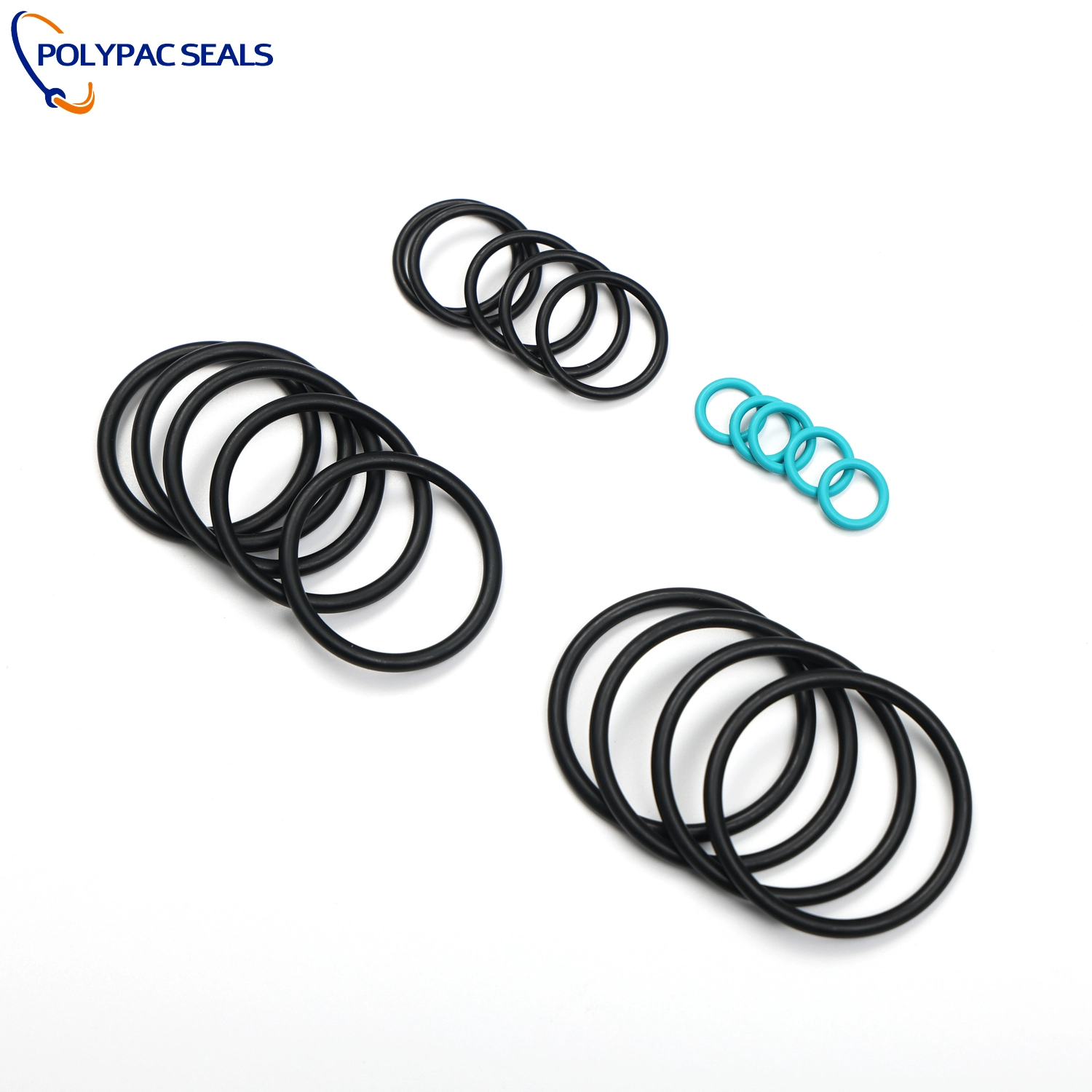
Bộ gioăng chữ O cho hệ thống đường ống và HVAC 012 HITACHI | Các loại gioăng cho kết nối nước, chất làm lạnh và khí đốt
Bộ gioăng chữ O Polypac Plumbing & HVAC 012 HITACHI cung cấp các loại gioăng chữ O chất lượng cao đạt tiêu chuẩn chân không và FDA cho các kết nối nước, chất làm lạnh và khí đốt. Được tin cậy về độ bền và khả năng làm kín chống rò rỉ, lý tưởng cho các hệ thống đường ống và HVAC yêu cầu các gioăng kín đáng tin cậy, hiệu suất cao.
Cập nhật thông tin chuyên sâu về ngành
Đăng ký bài viết của chúng tôi và nhận tin tức mới nhất, hướng dẫn của chuyên gia và cập nhật kỹ thuật trực tiếp qua E-mail của bạn.
Hãy yên tâm rằng quyền riêng tư của bạn rất quan trọng đối với chúng tôi và mọi thông tin được cung cấp sẽ được xử lý với tính bảo mật cao nhất.
Polypac là nhà cung cấp đáng tin cậy toàn cầu về các giải pháp bịt kín hiệu suất cao, cung cấp dịch vụ OEM & ODM cho các ngành công nghiệp trên toàn thế giới.
E-mail:
Điện thoại/WhatsApp:
© 2025Con dấu Polypac. Mọi quyền được bảo lưu.
tin nhắn riêng
DMS
DMS